Wayback Whensday – Cartoonists of Yore
Skip to comments
Featuring the comics of Milt Gross, Denys Wortman, Gus Arriola, Walt McDougall, and Charles M. Schulz partnered with Len Wein and Walt Simonson.
Milt Gross in Action
Steve Smith at his Panels & Prose discusses the action comic strips of Milt Gross.
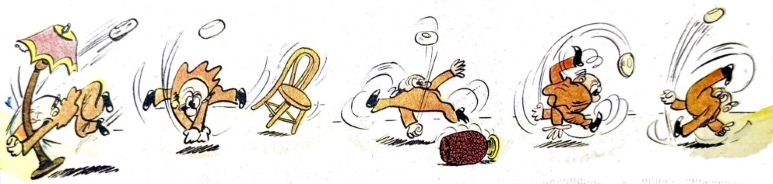
“One of the basic joys of comics is every artist inventing their own physics. The distinctive cartoonists, at least, use line weight and figure shapes, action and reaction to create physical rules to govern their world, their own sense of gravity.
“Milt Gross (1895-1953), the master of screwball motion, demonstrates this better than anyone.”
Charles Schulz with Len Wein and Walt Simonson
DC Comics regularly publishes facsimile editions of important issues of past comic books. This December they will print a new copy of Detective Comics #500 from 1981, and while Dan Geenfield at 13th Dimension thinks, “The highlight, of course, is the classic lead story — To Kill a Legend — by Alan Brennert and Dick Giordano.” some us beg to differ.
One such dissenter is Nat Gertler at The AAUGH Blog.
“Coming out in December is a facsimile edition of Detective Comics issue 500…
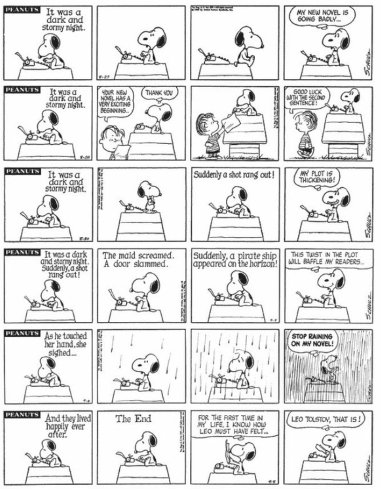
“But why am I mentioning it in this Peanuts blog?
“It’s because of one story, the shortest in the book, a mere 2 pages. The art is by a comics great and my pal, Walter Simonson. The writing is credited to Len Wein…But the text? That was pure Snoopy.”
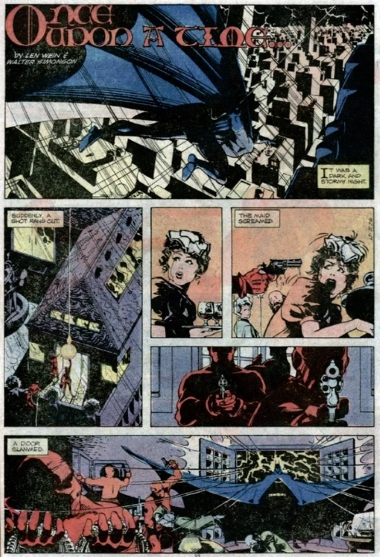
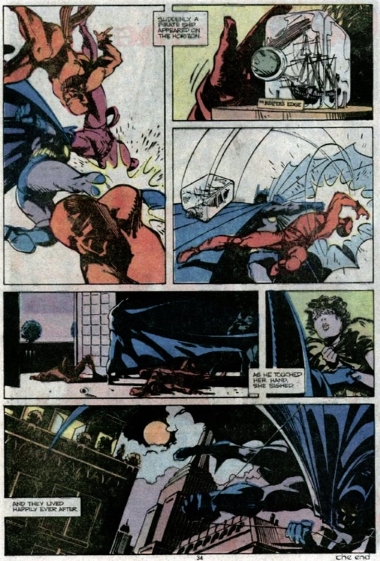
For a much better look at the above pages go to Craig Zablo.
Not Your Everyday Denys
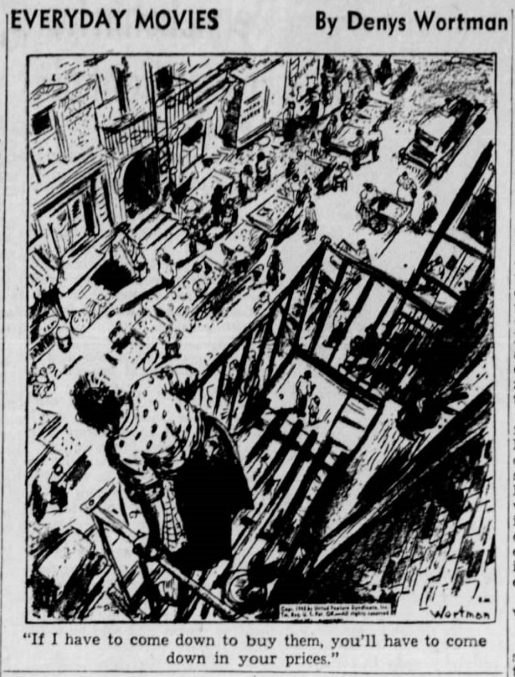
The Martha’s Vineyard Museum is currently exhibiting “The Two Worlds of Denys Wortman.”
“Denys Wortman lived and worked between two worlds: New York City and Martha’s Vineyard. From 1924 to 1954, he created Metropolitan Movies, a daily newspaper cartoon that captured the humor and challenges of everyday life in the city. Working at a remarkable pace—six a week for nearly thirty years—Wortman created more than 8,000 cartoons that were nationally syndicated and seen by millions of readers.”
Check out some of those 8,000 cartoons at the Denys Wortman website.
Gus Arriola and Gordo
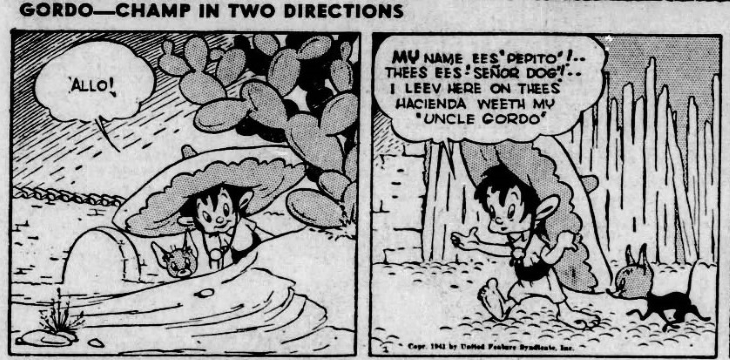
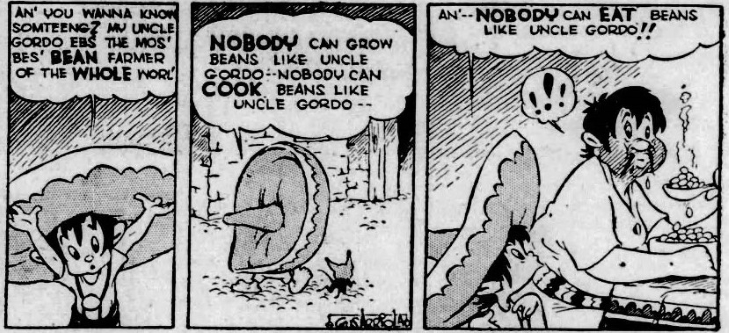
Joanna Colclough at The Library of Congress puts the spotlight on “Hispanic Culture in a Comic Strip” with an article on Gus Arriola and his comic strip Gordo. >Does Trump Know what they’re doing at the LoC?<
“Beginning in November 1941 through March 1985, Gus Arriola wrote and drew the newspaper comic strip “Gordo” which was syndicated to newspapers throughout the U.S. During its four-decade run, Arriola’s comic strip became a highly respected and beloved representation of Hispanic culture. Initially conceived as a humorous portrayal of a Mexican farmer named Gordo (a Spanish word for an obese person with connotations of endearment), Arriola soon realized that his comic strip presented an image of Hispanic culture to the American public and he began to include information about the history, culture, and language of Mexico.”
Walt McDougall
More from Steve Smith on the importance of Walt McDougall‘s 1890s newspaper cartoons.
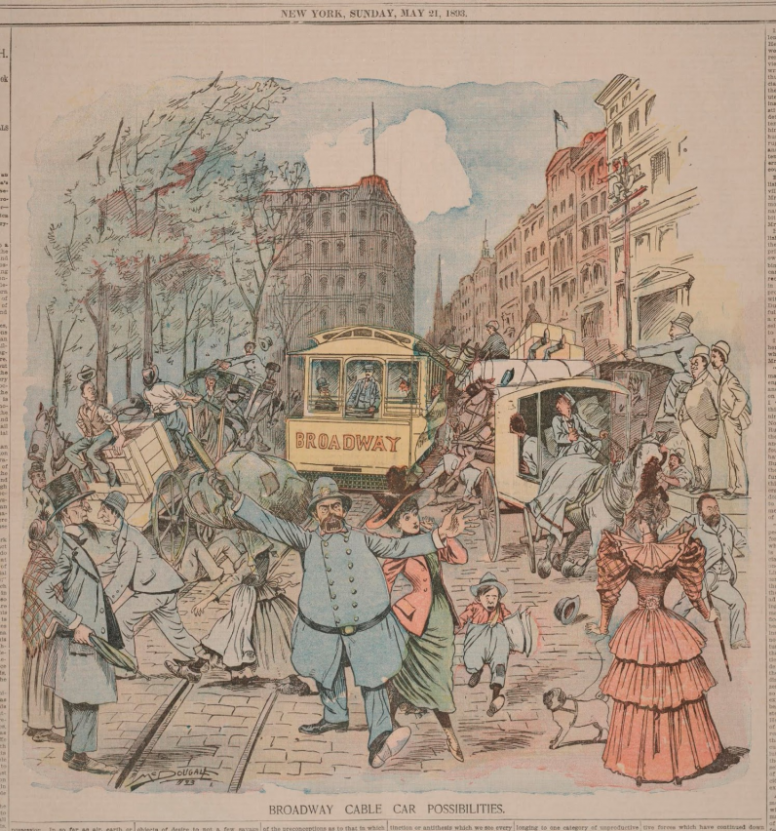
“This Walt McDougall comic should be more famous than it seems to be. On March 21, 1893, Joseph Pulitzer’s New York World published the first true color comics supplement of the modern era.1 It was a landmark effort that soon placed cartooning at the center of newspaper circulation wars and sparked a new mass medium.“
Comments