Comic History Comic Strips Newspaper industry Syndicates

100 Years Ago: E&P Directory of Syndicated Comic Art 1926

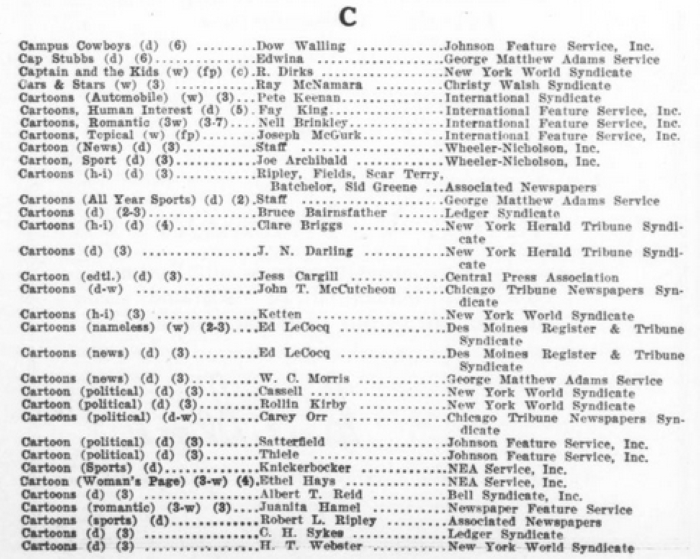
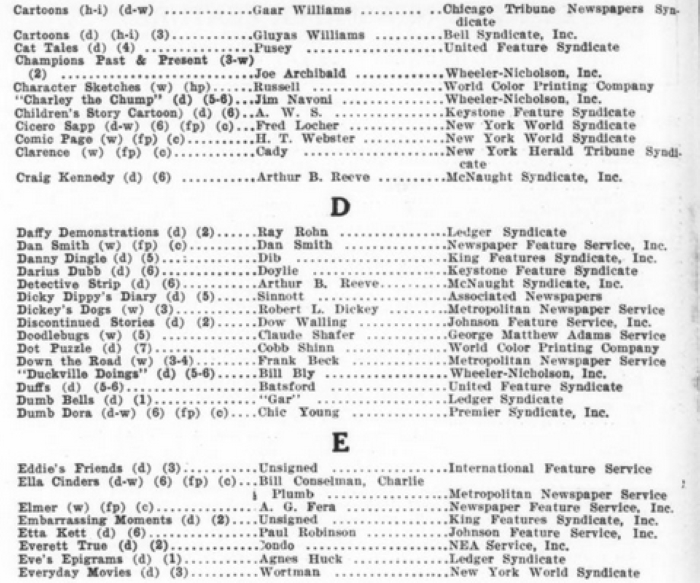
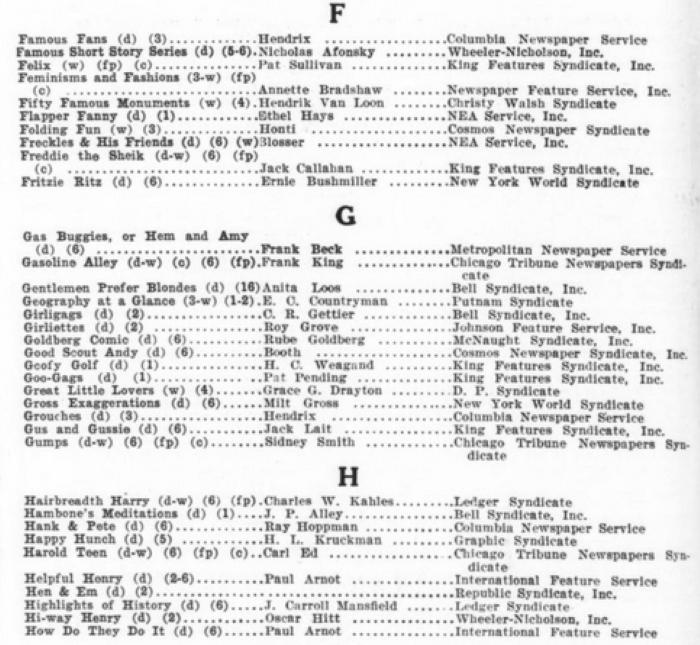
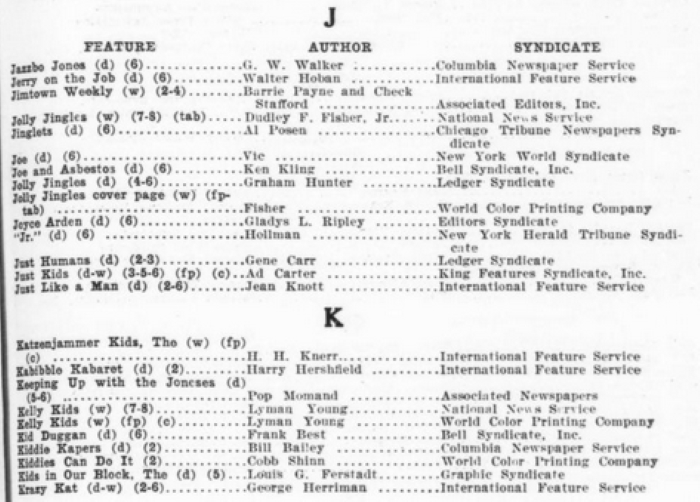
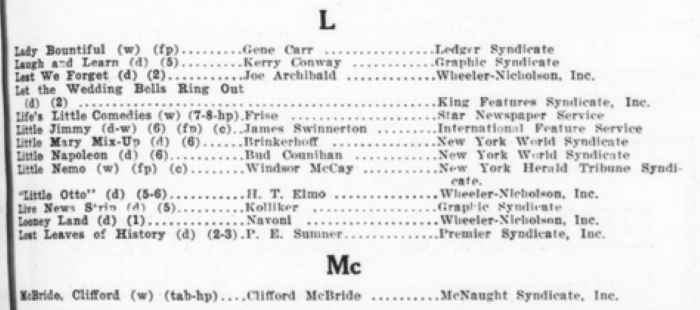
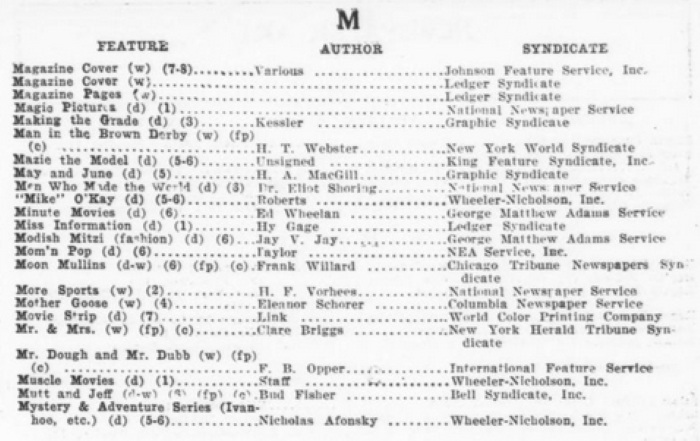
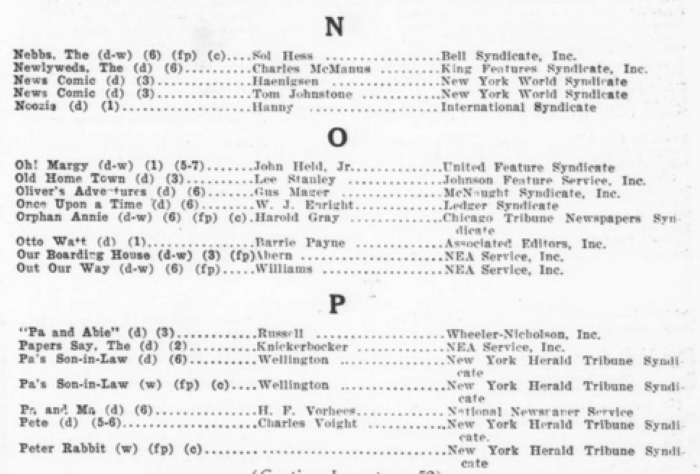
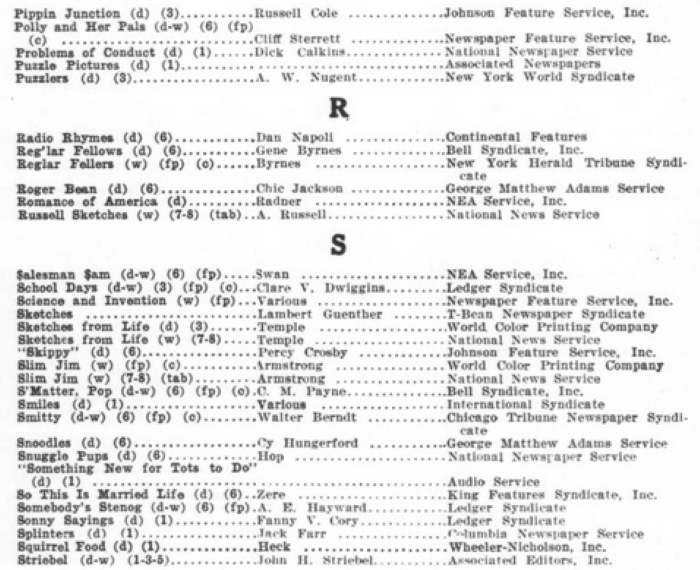
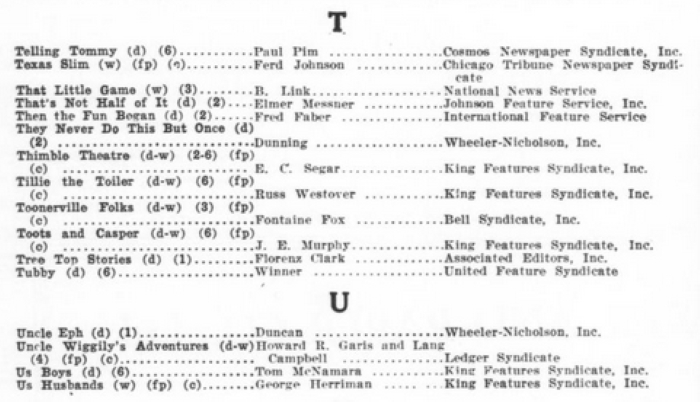
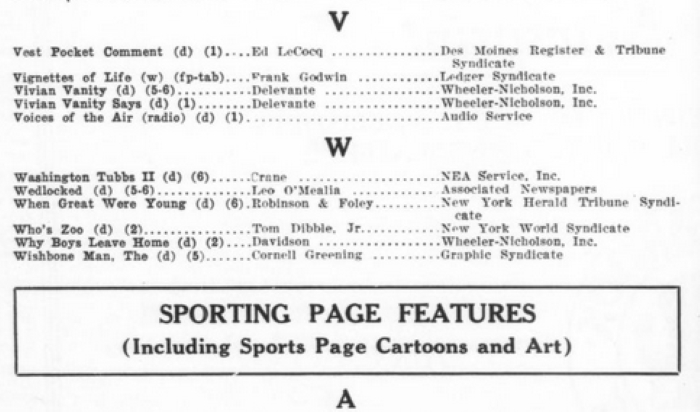
In the June 5, 1926 issue Editor & Publisher presented their “Third Annual Directory of Press Features.”
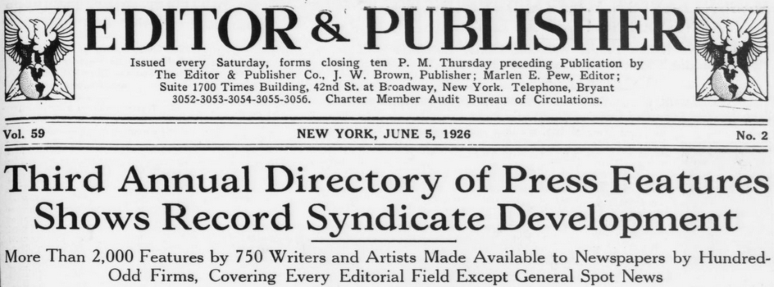
Editor & Publisher masthead and headline for June 5, 1926

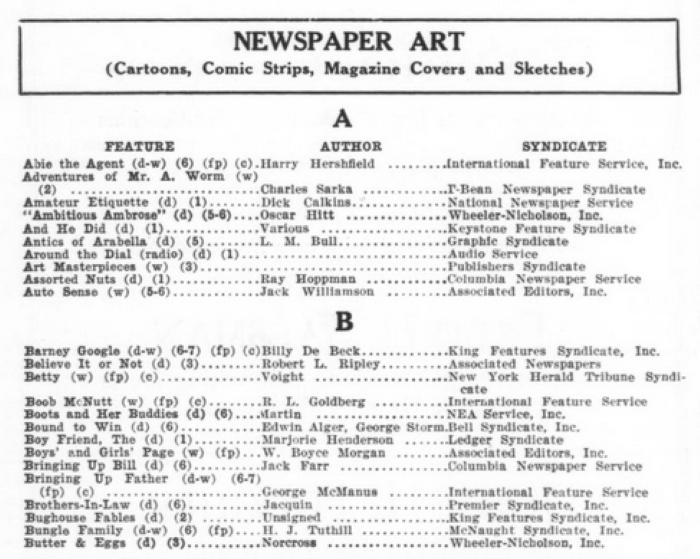
The Newspaper Art section listed “Cartoons, Comic Strips, Magazine Covers and Sketches” available to, well, editors and publishers of newspapers and other publications.
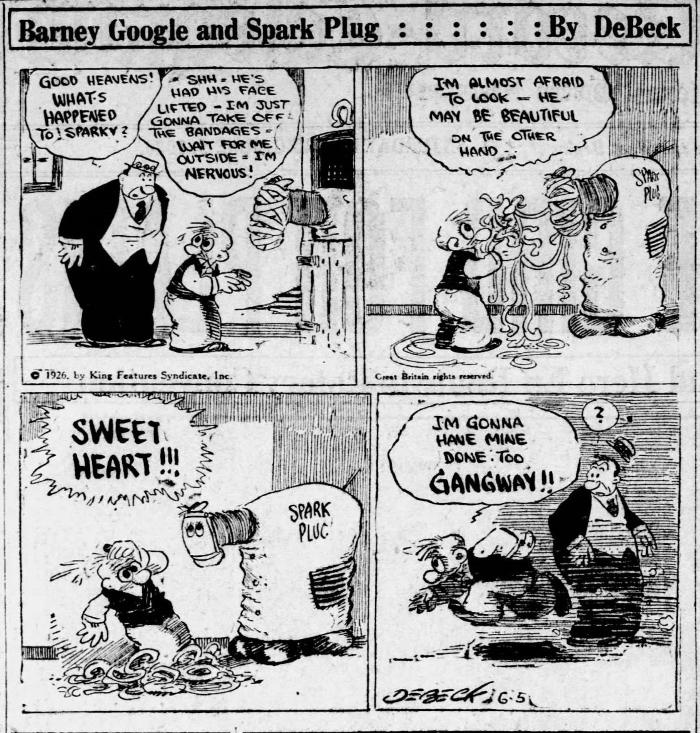
Barney Google and Spark Plug by Billy DeBeck – June 5, 1926

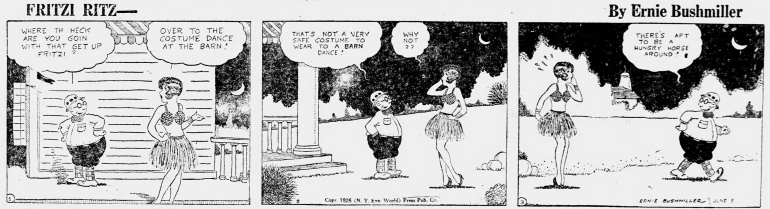
Fritzi Ritz by Ernie Bushmiller – June 5, 1926

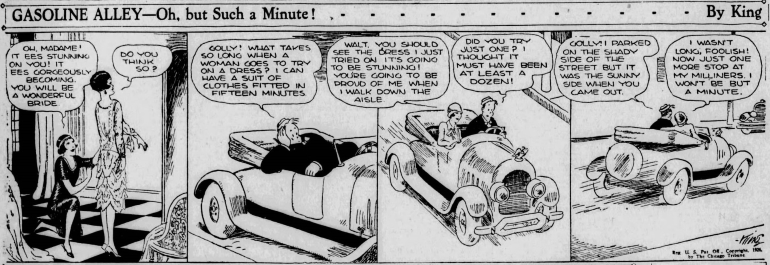
Gasoline Alley by Frank King – June 5, 1926

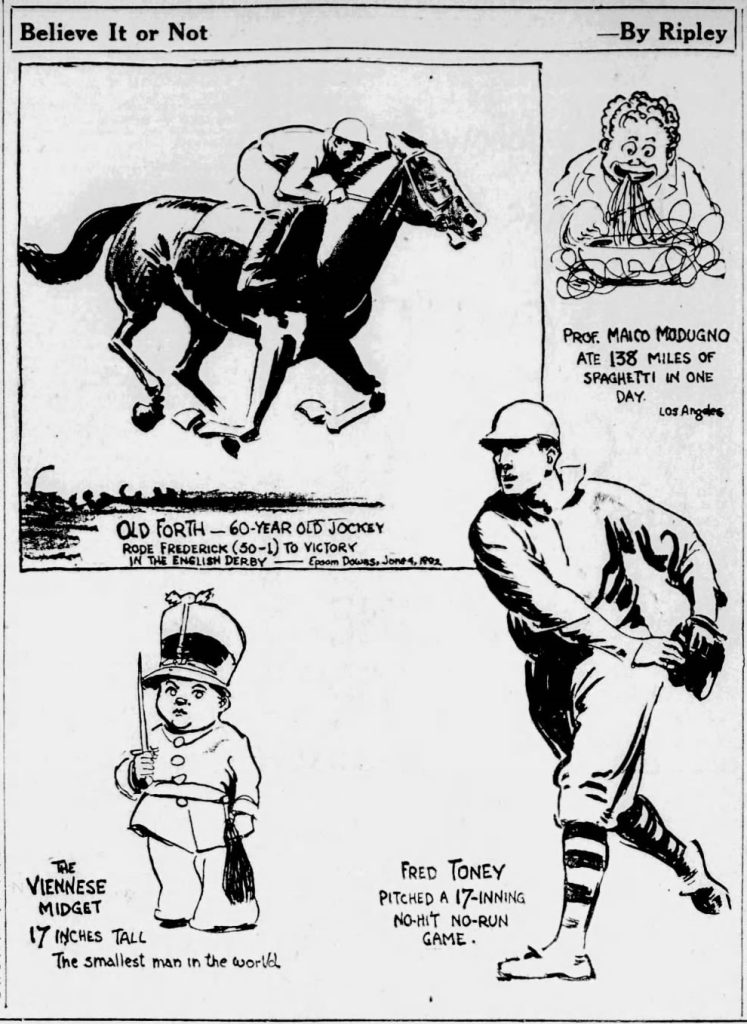
(Ripley’s) Believe It or Not by Robert L. Ripley – June 1926

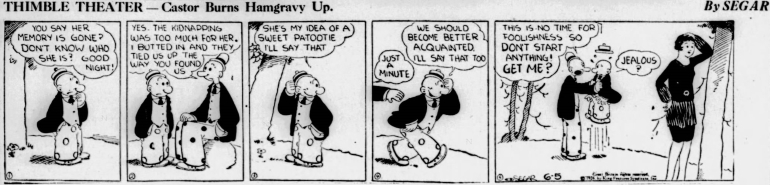
Thimble Theatre by E. C. Segar – June 5, 1926

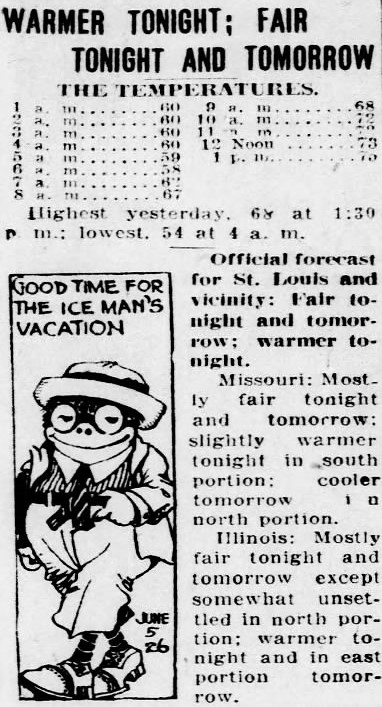
Weatherbird by Samuel Carlisle Martin – July 5, 1926 (not syndicated so not listed)

Note: most of the cartoons listed in the other sections are listed here under “Cartoons.”

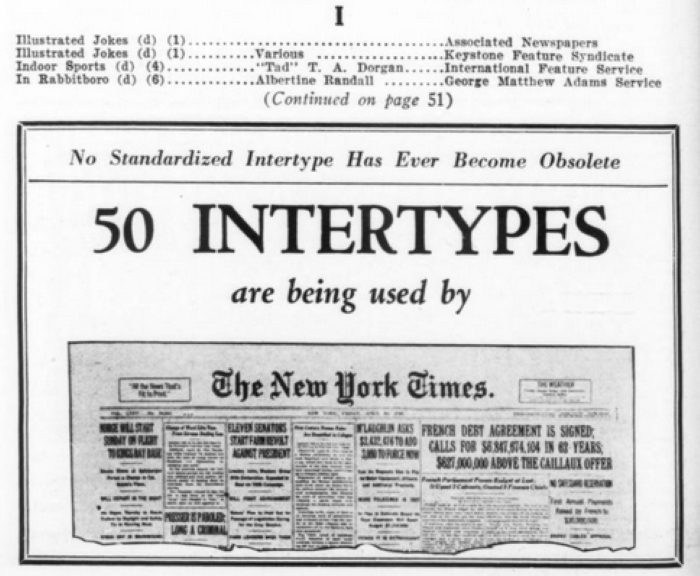
Also note that newspapers 100 years ago faced some of today’s difficulties:

Editor & Publisher – June 5, 1926

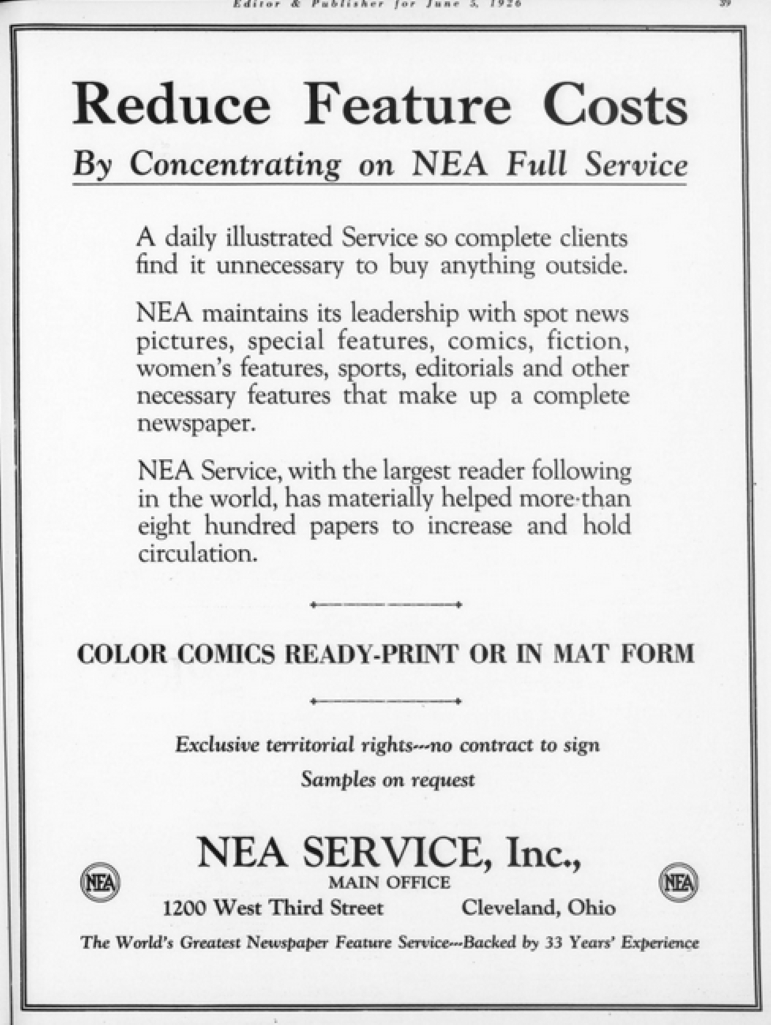
A couple ads of surviving syndicates from 100 years ago.
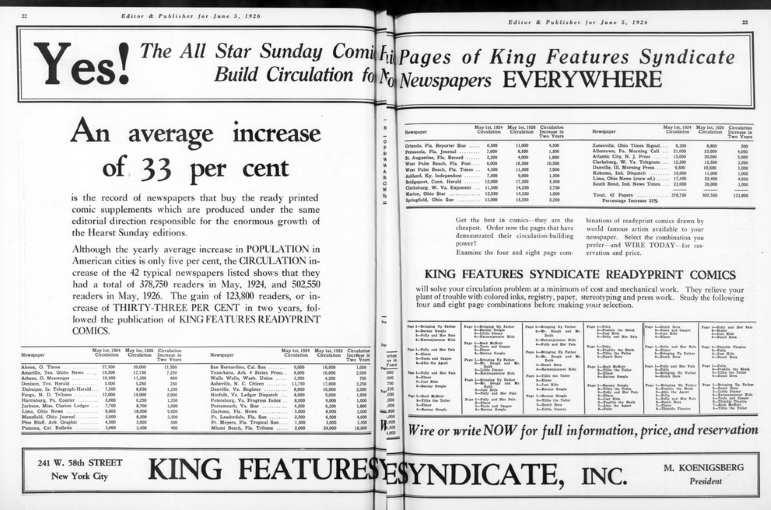
King Features Syndicate ad – Editor & Publisher June 5, 1926

Newswpaper Enterprise Association ad – Editor & Publisher June 5, 1926

Yes, NEA is still around. After a fashion.
Previous Post
Roz Chast, Doctor and Donor
Next Post
CSotD: Schadenfreudean Slips

Comments 4

  1. That catalog shows that competition for newspaper space was just as difficult back then as it is today. Out of that list of around 250 features, I recognized the name of about a dozen strips. All of the rest seem to have faded into obscurity. And as hard as it must of been to get newspaper clients, it must have been nearly impossible to get a place on one of those “readyprint” collections that King Features offered.

  2. Gotta call BS on Ripley re 138 miles of spaghetti in a day. Using a very rough, though conservative, estimate on angel hair pasta (more strands per pound), it would take at least 4 one-pound boxes to equal a single mile.

  3. I must be a LOT older than Atanwat. I was going to comment that I recognized, if not the actual strips for the majority of the featuress listed here, then the cartoonists who drew them (e.g., Frank Godwin, but not for VIGNETTES OF LIFE). I’d also observe that most of the strips here lasted at least long enough to become comic-book features a decade later, and a surprising number lasted till my own childhood/’20s (’50s-’70s). The explosion of minor-league strips wasn’t to come till the mid-’30s, and comparing the total number of features offered from the time I began following E&P’s syndicate directories in the ’60s/’70s, the ’26 list is a fraction of those numbers. I’m guessing that part of the reason for that is that editors of the list in the sixties and seventies weren’t prudent enough about removing long-discontinued features from small, non-communicative syndicates, leaving true zombie features among the active ones, some discontinued ten-to-fifteen years prior (believe me, I wrote many of those “syndicates”–often one cartoonist’s mail address offering copies of their old files–to pick up story strips for the Menomonee Falls Gazette in the early ’70s and received (mostly) no response), but it was also the case that self-syndication was a thing back in those days. Also, 1926 is just on the cusp of the introduction of continuity-adventure strips drawn in realistic art styles evolving from Segar, Gray, King and Crane’s early exploration of the form in more “cartoony” styles. which were only a few years hence (Foster, Raymond, Calkins, Gould, Caniff, Fisher, et al.).

    1. The age difference is probably only 10 to 15 years; the primary difference is that you “… began following E&P’s syndicate directories in the ’60s/’70s“, whereas the only newspaper comics I knew back then were those in the newspaper we subscribed to, plus the King Features strips that I read when we visited my grandparents.

Comments are closed.

Search

Subscribe to our newsletter

Get a daily recap of the news posted each day.