Cartoonist Interviews & Reviews
Skip to comments
Featured cartoonists: Raina Telgemeier, Bob Clampett, Paul Noth, John Backderf, Todd Webb, Jean Giraud/Moebius, Dabin Han, Peter Kuper, and in a bit of a cheat William Grady, and The Funny Pages.
Raina Telgemeier
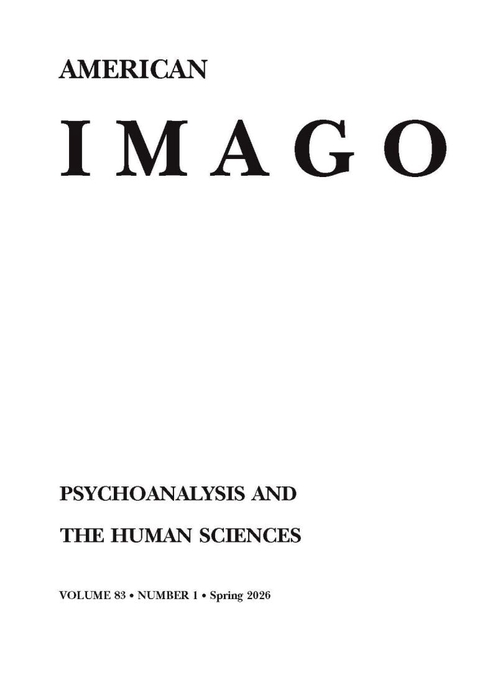
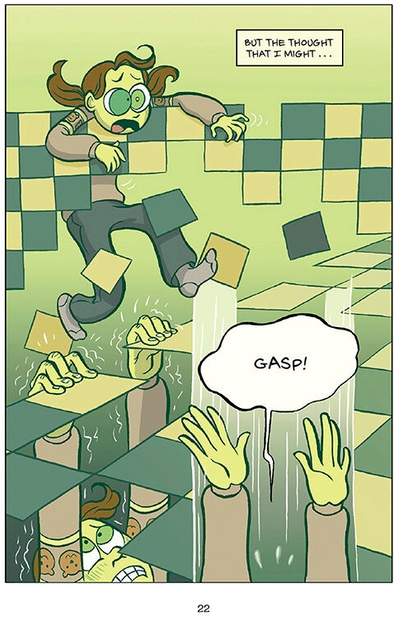
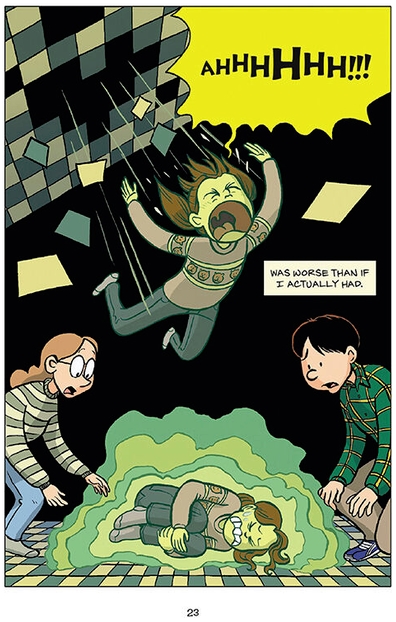
Since it is the Fall of 2026 this is a good time to catch up to the Spring 2026 issue of Amercian Imago where Raina Telgemeier discusses her very popular series of books and how her childhood memories and thoughts embedded herself in the psuedo-biographical graphic novels.
“It’s mostly getting over your own shame and learning to talk about your experiences. Those deep-down memories. You think you’ll never tell another living soul, and then you find yourself telling your therapist . . . and if you’re me, anyway, you’re laughing about it . . . eventually. It’s not as scary the second time you tell the story. Then, if you end up telling it on a stage in front of a thousand people, you’re like, “Yeah, haha, so what?” So, it’s practice. When I talk to kids about this, I say, therapy is a good way to practice telling your own story, getting good at your own narrative, and that helps you figure out how to describe your feelings.“
Bob Clampett

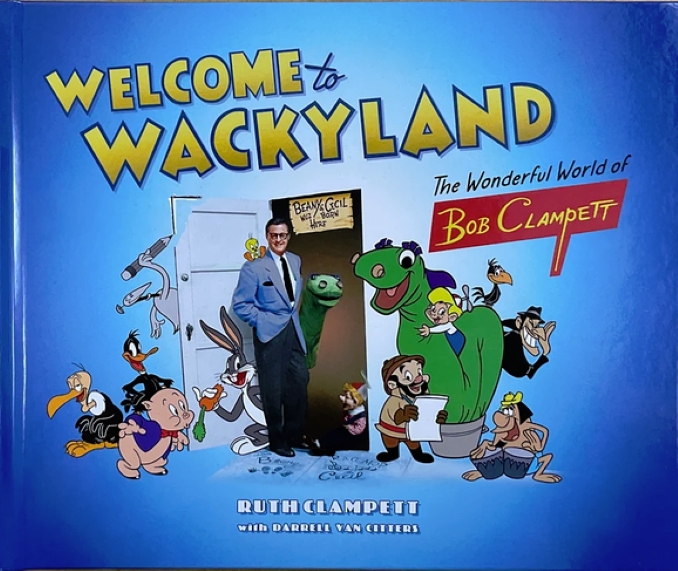
Orrin Scott at Cartoon Research reviews the Bob Clampett biography Welcome to Wackyland.
“Ruth then guides us from his formative years, punctuated with fortuitous encounters, to Bob’s various phases of artistic development and impact at Warner Bros. We find Bob landing in front of producer Leon Schlesinger, who first places Bob under directors Harman and Ising where he would aid in developing Porky Pig. After a financial disagreement, Harman and Ising would leave Warner Bros. and Clampett would be assigned to Tex Avery. After learning, developing and creating a series of notable cartoons and characters like Daffy Duck, Clampett would take over Avery’s unit when Tex moved to MGM and create the seminal Porky in Wackyland (1938). Clampett would only leave Warner Bros. when Schlesinger, himself, retired from the company in 1945, which he then pursued various independent projects until finding success with the extremely popular Beany and Cecil.”
“Welcome to Wackyland: The Wonderful World of Bob Clampett is written by Ruth Clampett with Darrell Van CItters, with an introduction penned by Jerry Beck. It is independently published and available from Stuart Ng. Until next time, please dive in and enjoy the complete Animation History Bibliography section of this Cartoon Research website.”
Paul Noth
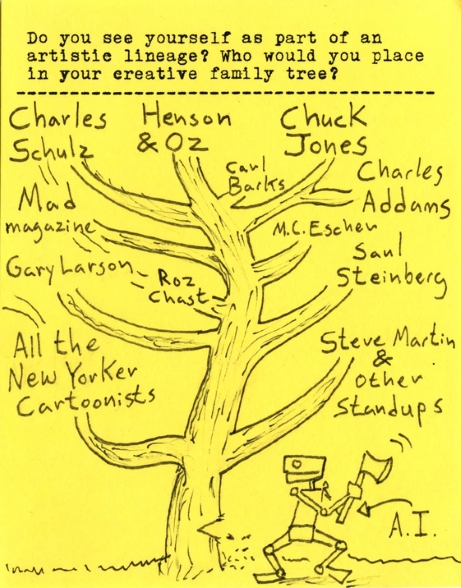
Austin Kleon interviews cartoonist Paul Noth.
“Paul Noth is an award-winning writer and artist whose cartoons appear regularly in The New Yorker. To celebrate the release of his new book, I Am Going to Eat You… and Other Awkward Truths: A Cartoonist’s Romp Through the Lunacy of Our Times, we conducted this typewriter interview via the magic of the United States Postal Service.”
John Backderf

Peter Chakerian for The Cleveland Plain Dealer looks forward to hometown cartoonist’s latest book (or here).
“[John Backderf’s] latest graphic novel, “The Dissidents: Autocrats! Vigilantes! Communists! and Cartoonists!” [link added] takes him more than a century into the past, following a group of political cartoonists whose work appeared in the influential magazine “The Masses” in the years leading up to World War I.”
Todd Webb
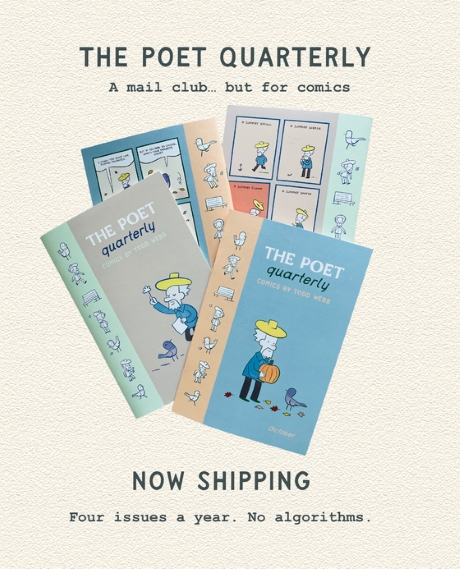
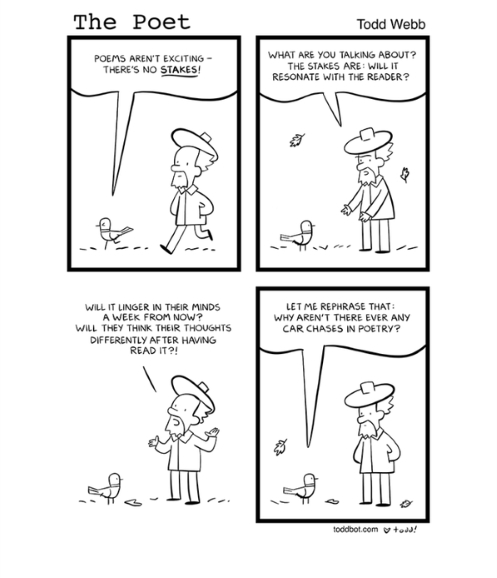
Henry Chamberlain for The Comics Journal interviews The Poet cartoonist Todd Webb.
“Todd Webb has created an impressive body of work in the last twenty-five years. His work includes diary comics, experimental comics and music, illustration, animation and, since 2020, the daily comic strip, The Poet. This year, Webb launches The Poet Quarterly, a new showcase for his comic strip only available through subscription via his website.”
“As I was trying to figure out how to draw him, it just wasn’t clicking the way I wanted it to. I ended up rereading a MUTTS collection by Patrick McDonnell and a Mark Newgarden book where he had all these comics about big noses. I’d never put a big nose on any character. So I added this big nose and, all of a sudden, it worked as a character, but it started to abstract away from the person that it was going to be originally. And then that abstraction process continued. I was developing the story: very basic; about a poet taking a walk down to the beach; trying to write a short little poem to mail to a friend.“
Jean Giraud/Moebius
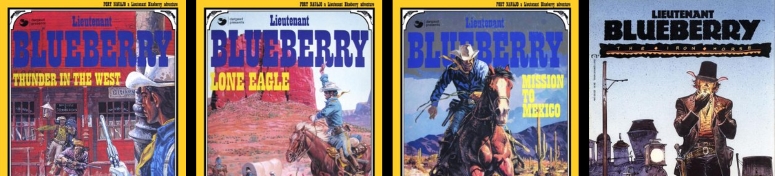
Antonio Mirizzi in Inks: The Journal of the Comics Studies Society Volume 10, Issue 2, Summer 2026 reviews the Jean Giraud biography Moebius.
“The book [link added] focuses on Jean Giraud, the French author who renewed the classical tradition of bande dessinée with the Blueberry series, which he signed “Gir,” and contributed to the emergence of alternative comics with his personal vision of fantasy and science fiction, achieving worldwide fame under the pseudonym “Moebius.” Labarre’s approach is primarily historicist, and he has chosen to trace Giraud’s life chronologically, with each chapter dedicated to one of the stages of his career.”
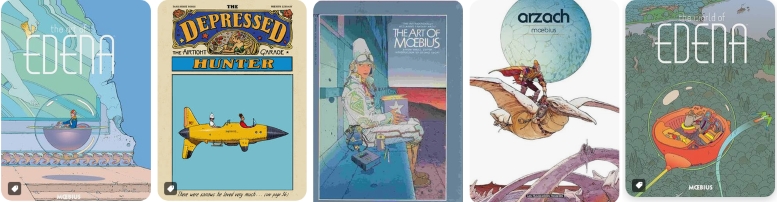
I have never been able to invest myself in Moebius’ science fiction comics. On the other hand Gir’s Lt. Blueberry series ranks in my top ten (and probably top five) western comics. A comic genre I’m partial to. Which brings us to…
William Grady

Not a cartoonist but in that same Inks: The Journal of the Comics Studies Society issue that reviewed the Moebius biography above there is Blair Davis reviewing William Grady’s Redrawing the Western: A History of American Comics and the Western Mythology.
“The scope of the research here is impressive: it looks not only at comic books of the 1930s and beyond but also at their predecessors dating back through the prior century. Brady’s early chapters examine representations of the American West in the drawings found in nineteenth-century newspapers and magazines (such as New York Detective Library and Harper’s Weekly), as well as early examples from comic strips (like Little Jimmy, Out Our Way, White Boy, and even Little Nemo in Slumberland and Gasoline Alley) from the start of the twentieth century through to the early 1930s. Too often, these predecessors are neglected in comics history, so I appreciated the ways in which they allow the reader to better understand the development of the Western genre by the time that the comic book format took hold in the 1930s/1940s. As such, Grady’s analysis of early strips like Little Growling Bird in Windego Land (1906–1907) is an invaluable addition to our understanding of the first decade of twentieth-century comics history, as well as to the growing scholarship about representations of Indigenous peoples in comics.”
Dabin Han
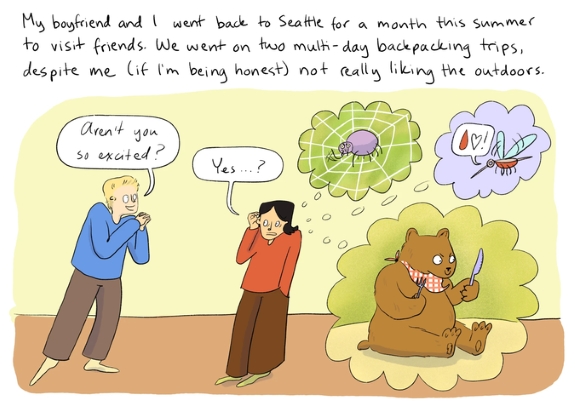
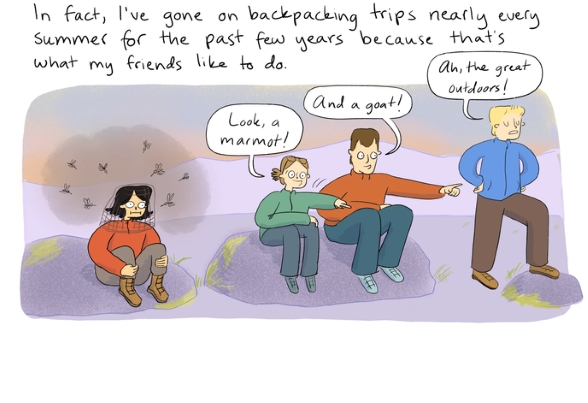
Cartoonist Dabin Han presents a life lesson that opening up to one adventure leads to others in a vertical comic for NPR titled “Backpacking teaches artist lessons in patience, trust and friendship.”
The Funny Pages
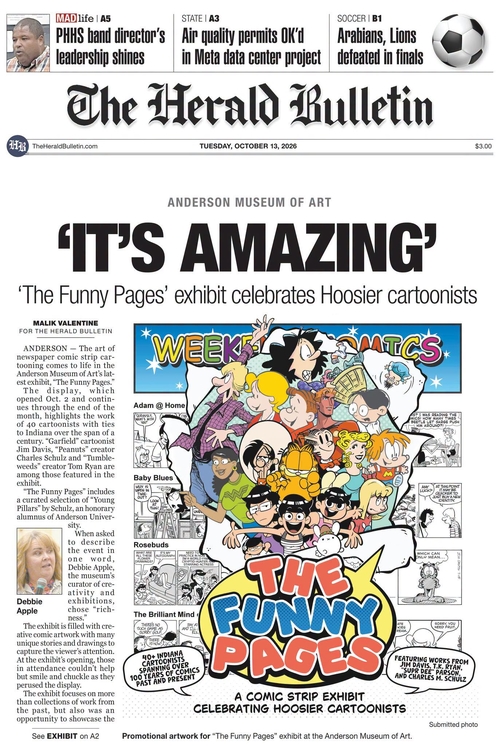
Malik Valentine for The Herald Bulletin reviews The Funny Pages exhibit that opened in Anderson, Indiana (or here or here).
“The art of newspaper comic strip cartooning comes to life in the Anderson Museum of Art’s latest exhibit, ‘The Funny Pages.’
“The display, which opened Oct. 2 and continues through the end of the month, highlights the work of 40 cartoonists with ties to Indiana over the span of a century. ‘Garfield’ cartoonist Jim Davis, ‘Peanuts’ creator Charles Schulz and ‘Tumbleweeds’ creator Tom Ryan are among those featured in the exhibit.
“’The Funny Pages’ includes a curated selection of ‘Young Pillars’ by Schulz, an honorary alumnus of Anderson University.”
Peter Kuper
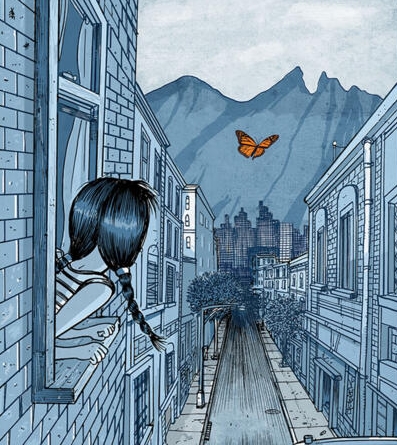
At the American Museum of Natural History in New York, N.Y. is Monarch’s Journey a “new exhibit [that] celebrates the monarch butterflies’ remarkable annual journey from the northern U.S. and Canada to the mountain forests of central Mexico through the work of award-winning graphic novelist and environmentalist Peter Kuper.”
Heidi MacDonald at The Beat reviews and previews the exhibit.

Comments