The 10 Cartoonists Who Influenced Kate Beaton
Skip to comments
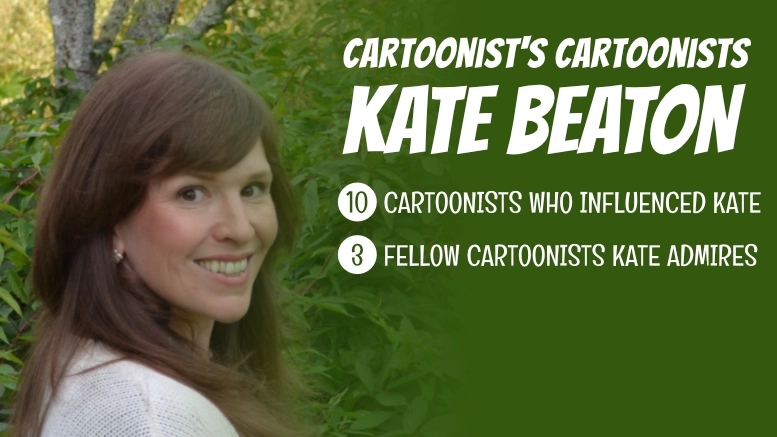
Growing up in remote Nova Scotia, Kate Beaton may not have a wealth of comic art surrounding her, but as you’ll read below, she found inspiration from a variety of sources. And that foundation has served her well as she’s become an award winning cartoonist, children’s book author, and non-fiction graphic novelist.
For those not familiar with Kate’s work, she started a little webcomic called Hark! A Vagrant in 2007 that did not stay little very long. It quickly grew in popularity and garnered coveted prizes like the Doug Wright Award (2009, 2012), Harvey Award (2011, 2012), and the Ignatz Award (2011). You can still read Hark! A Vagrant online, two book collections also available. The strip ran until 2018.
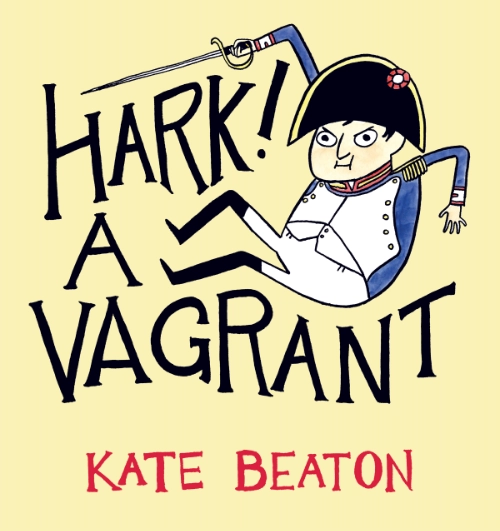
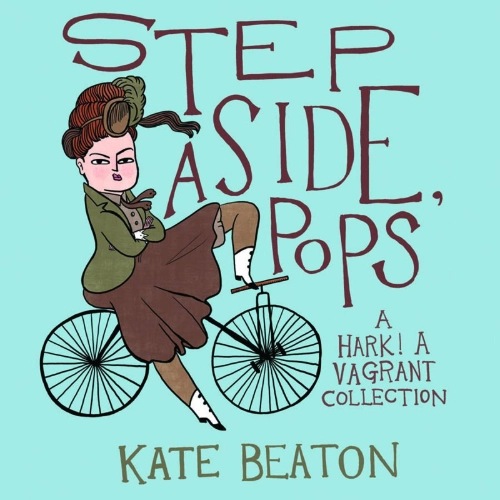
She transitioned into writing children’s books and non-fiction graphic novels. She has three children’s books: The Princess and the Pony (2015), King Baby (2016), and Shark Girl (2025), as well as two non-fiction books: Ducks: Two Years in the Oil Sands (2022) and Bodies of Art, Bodies of Labour (2025). “Ducks” was the first ever graphic novel to win the Jan Michalski Prize for Literature. It also won two Eisner Awards, a Harvey Award, and Ignatz Award.
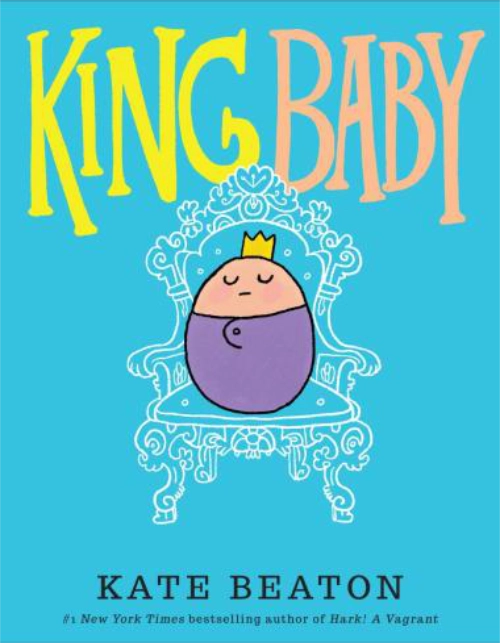
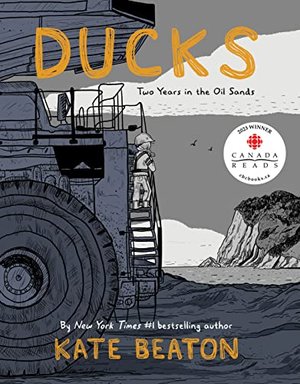
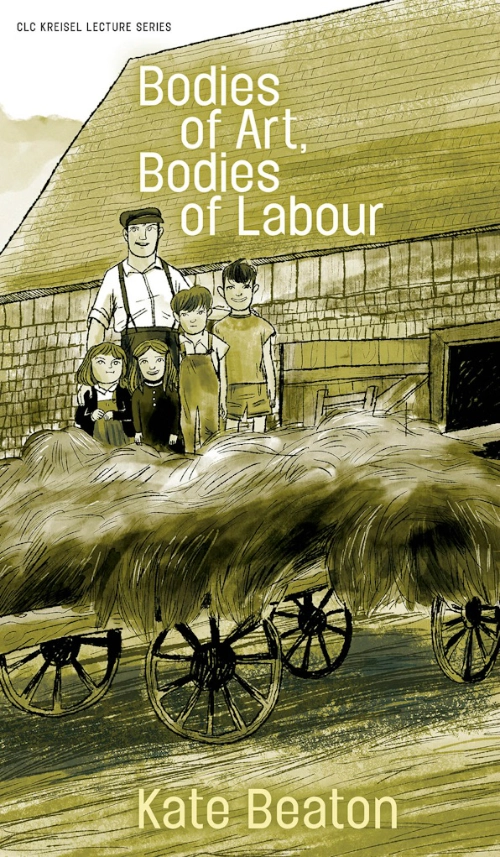
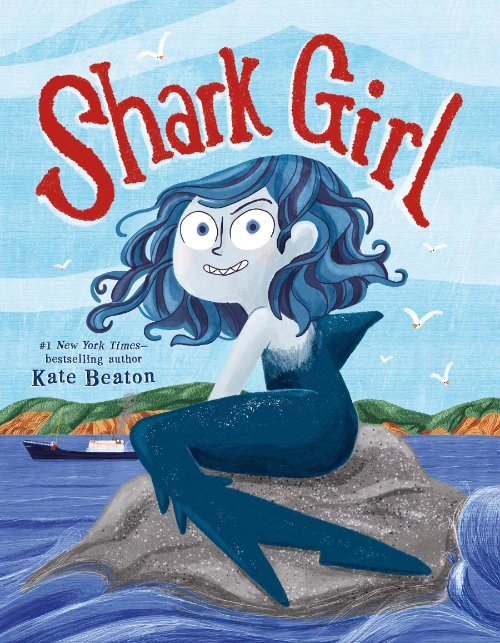
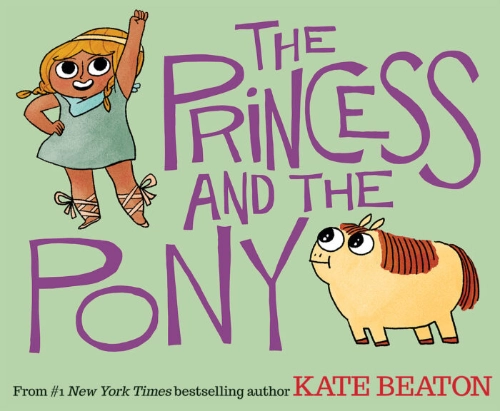
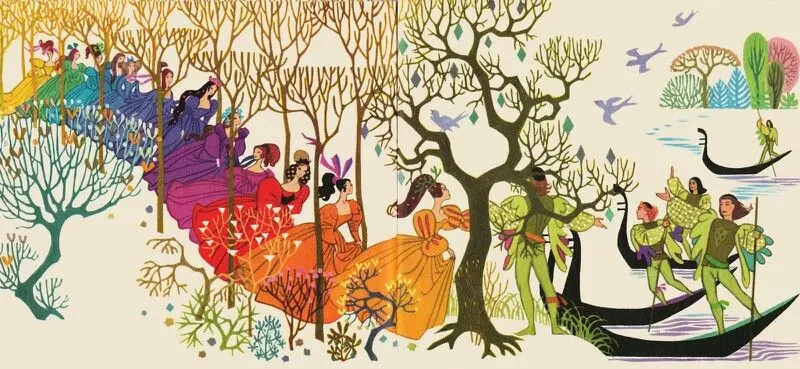
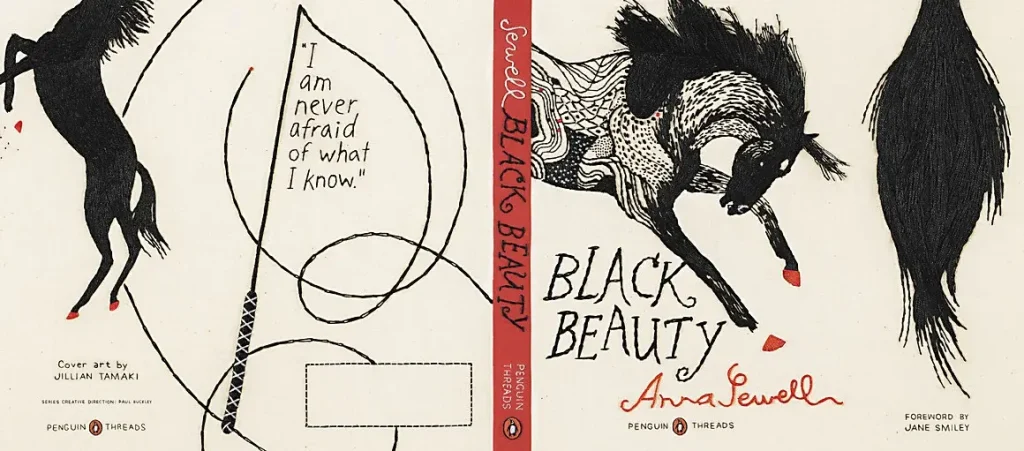
After reading about her influences, you may want to come back and look at her book titles. The cover art for King Baby has particular strong stylistic nods to one of the artists below. Without further delay, here are…
The 10 cartoonists who influenced Kate Beaton
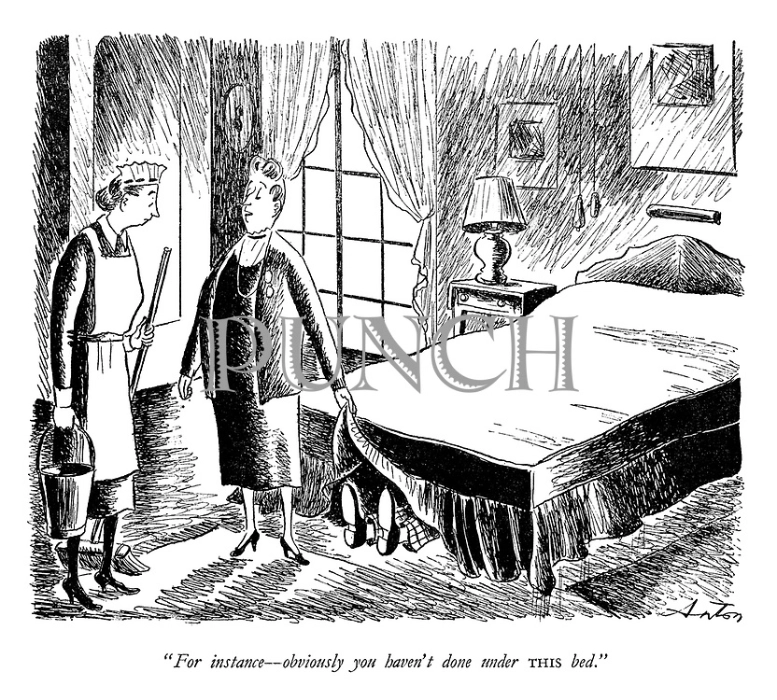
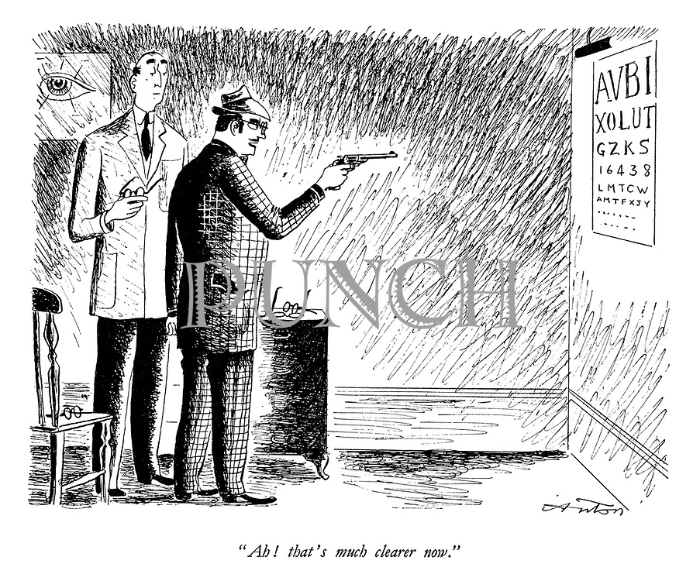
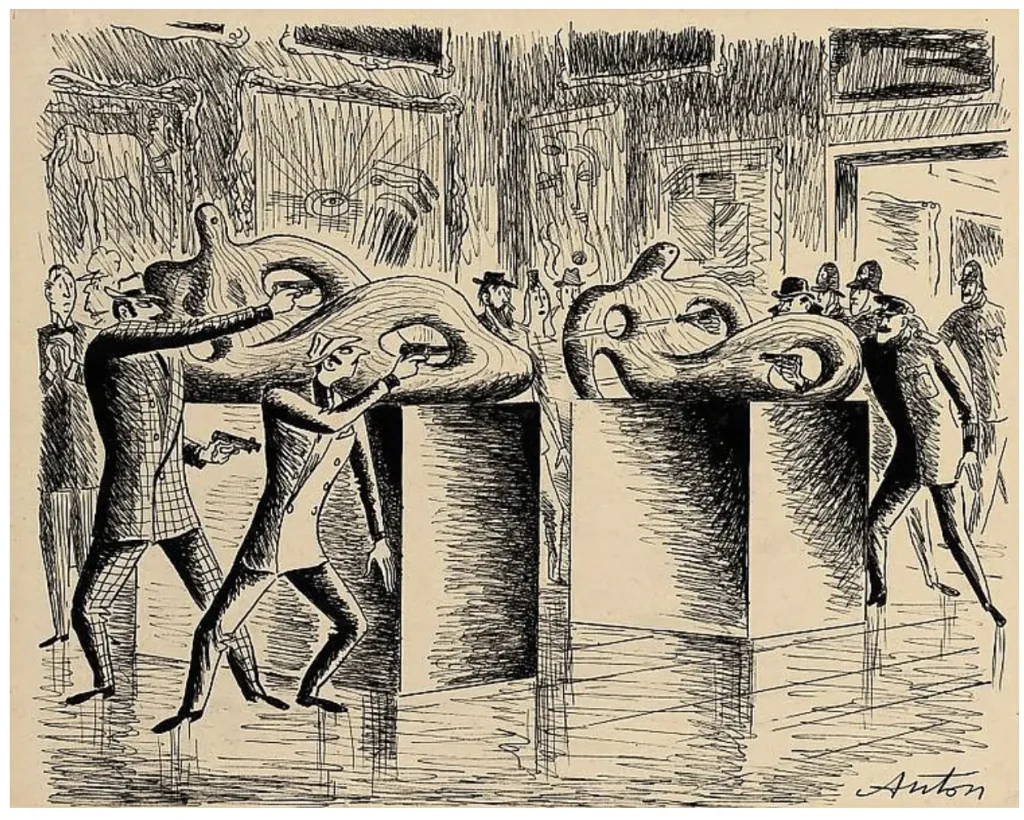
Anton
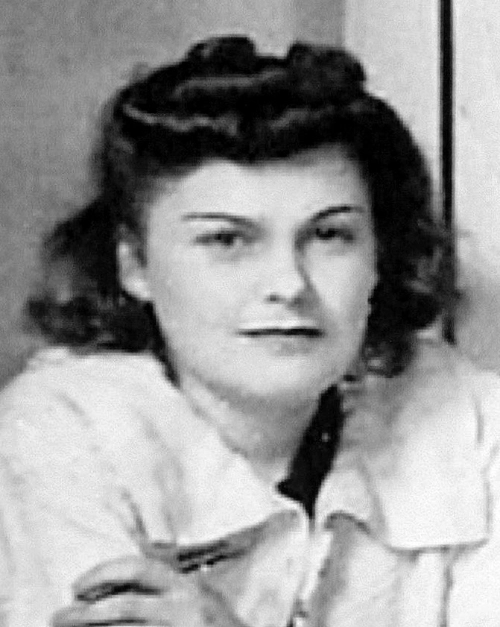
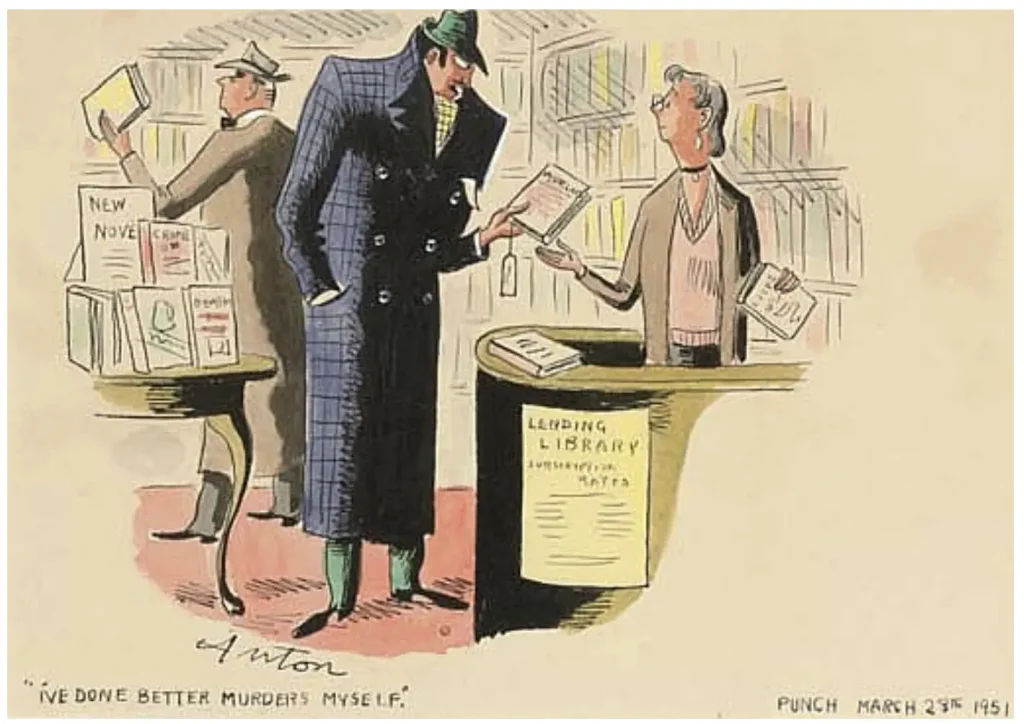
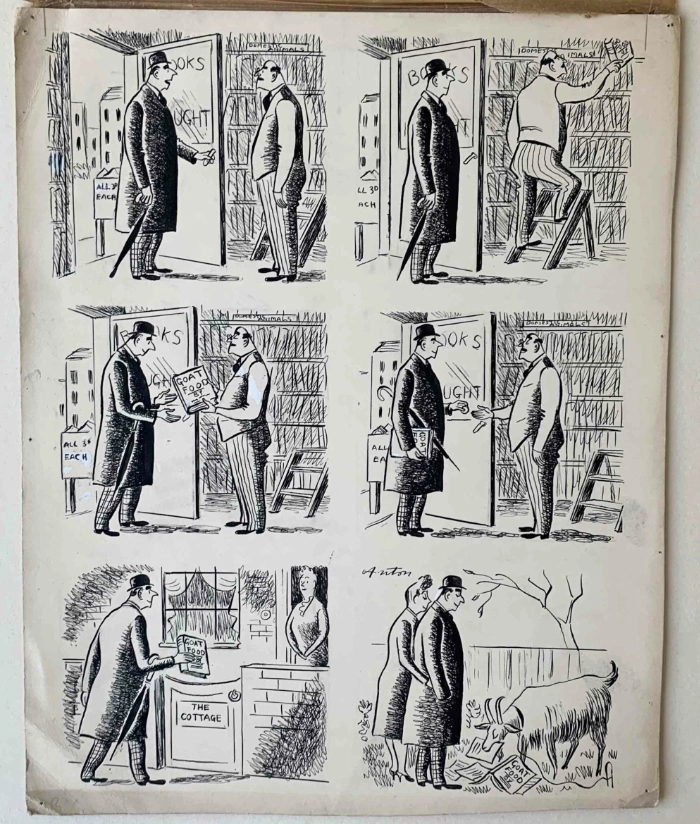
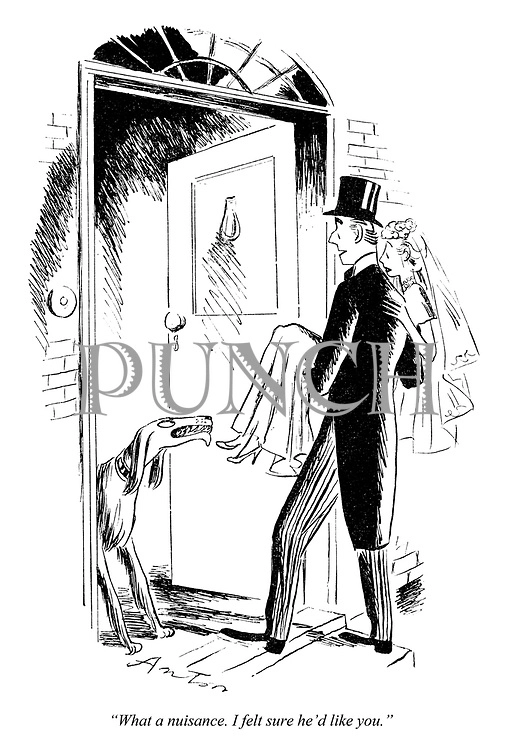
“Anton was the pen name of Beryl Antonia Yeoman, best known for her work with Punch magazine. I have no idea how I found her, probably looking through a collection of Punch cartoons and singling her out. I love mid-century cartooning so much, from magazines like this. I feel like in this era, you could often pick out the few women who did it because their cartoons were like Mary Petty or Helen Hokinson, who had a lot of upper-class ladies, like dowager jokes, or society parties. I’m generalizing very broadly, I just didn’t connect with the jabs-on-the-upper-crust humour. Anyway, I was so delighted to find Anton, who drew these wonderful, hilarious looking robbers and crooks and things. I love drawing delusional sort of bad types, and hers were so funny. “I’ve done better murders myself” says a man in a large trench coat with the collar pulled up and his hat pulled down, handing a book back to the librarian. That kind of cartoon, perfection. I actually – this is the only time I’ve ever done this – I bought a box of her stuff sight unseen from a UK auction place, just to have some of her original drawings and cartoons and sketches. There ended up being a bunch of random stuff in there but I regret nothing.”
Ronald Searle
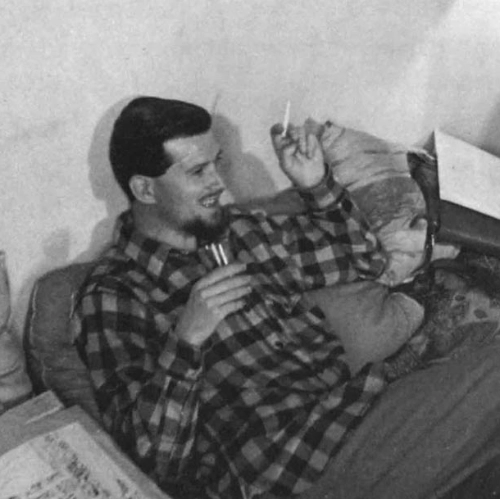
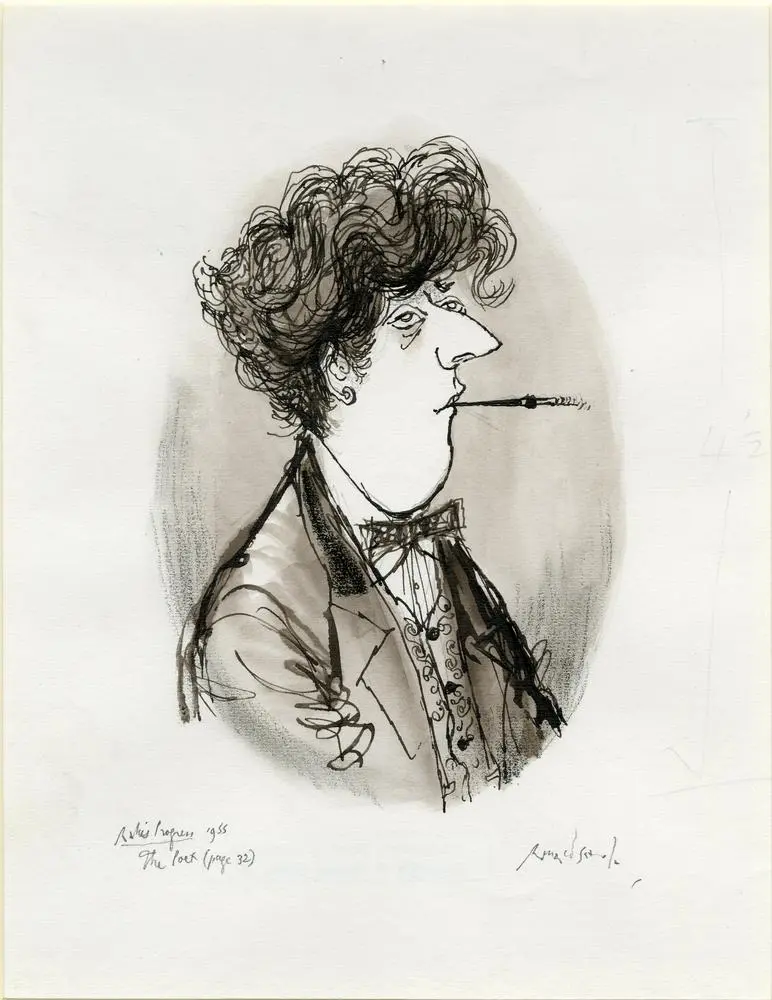
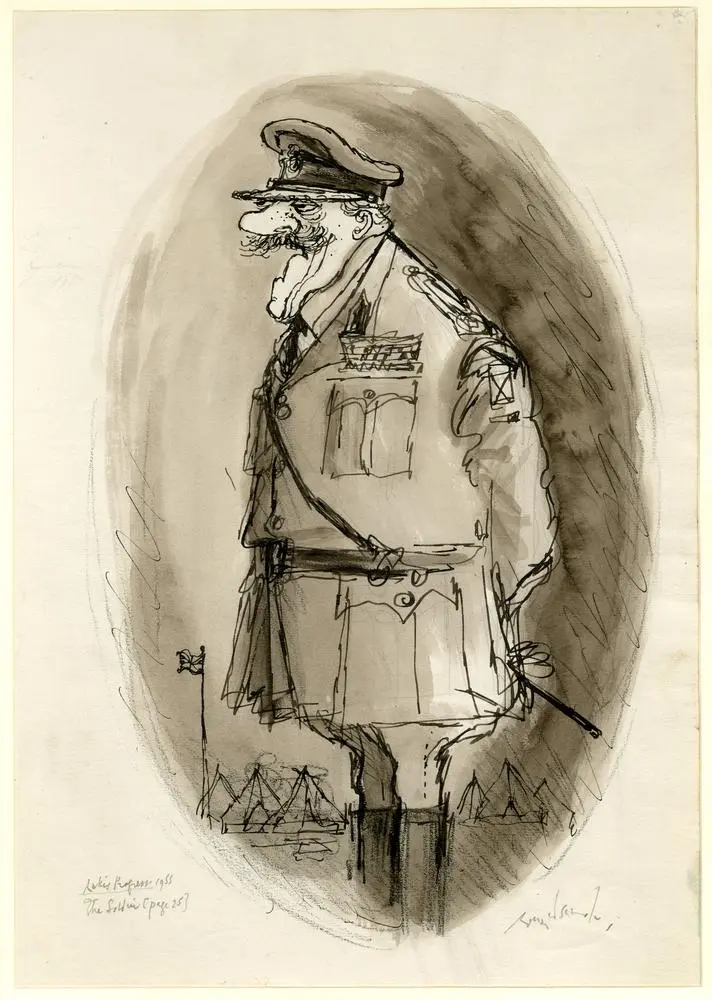
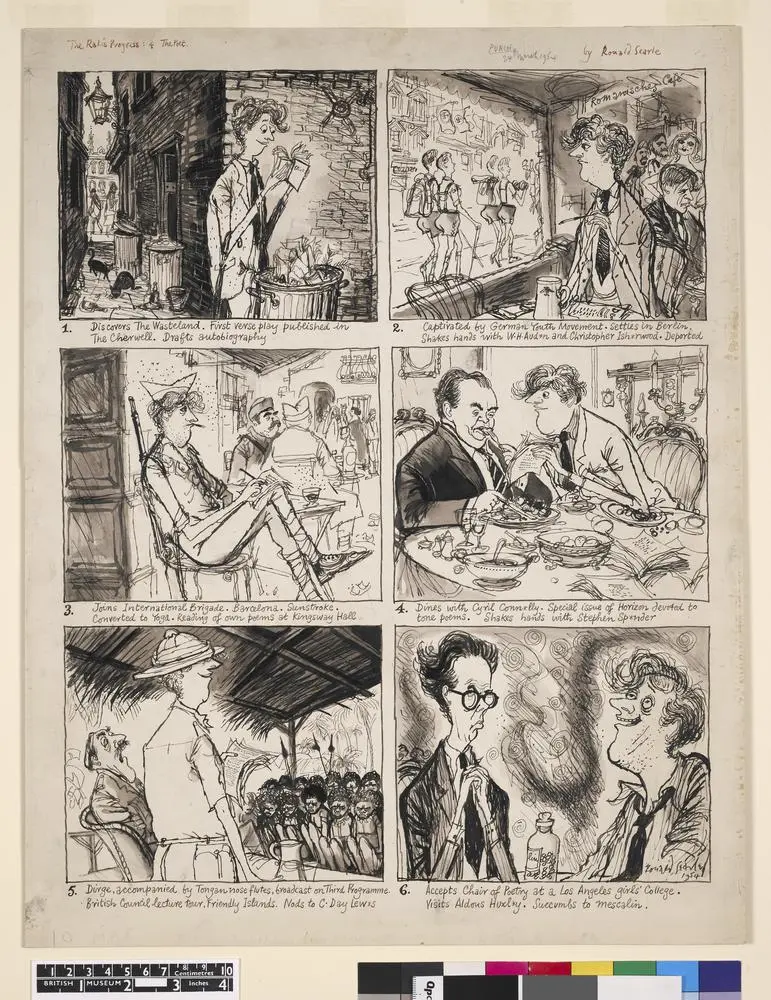
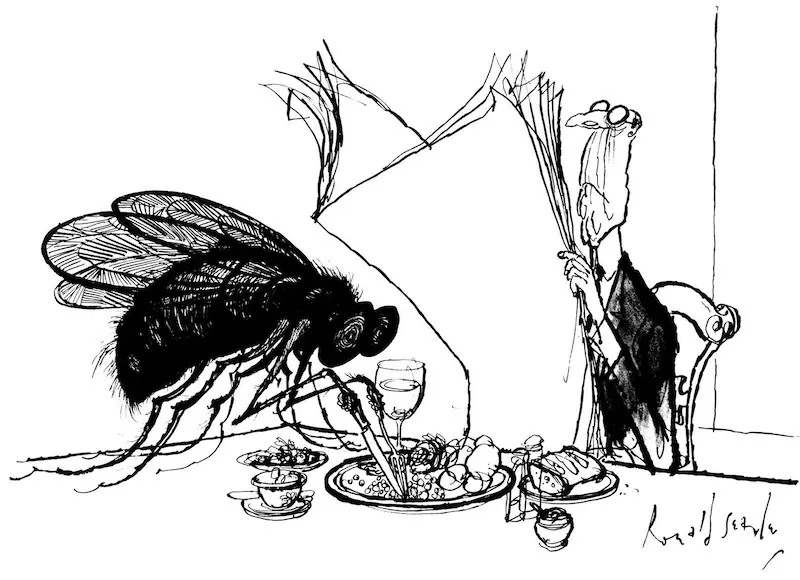
“Is there any surprise here, I mean, who is not going to have Ronald Searle on their list. He was just the master, there is no one before or since who can touch him. I think as an artist you have to grow and change and follow your own course, evolve, but some people will always like work that you did 20 years ago best. When I say I prefer Searle’s black and white linework drawings of his earlier years to his later work that looked more washed and splattered (imagine me critiquing this man lol, the nerve of having a preference when it comes to the greatest of all time) – anyway, when people say to me that they like something I drew in 2010 best of all, I think to myself “that’s totally fine.” I don’t feel hurt that they aren’t as happy with what I do now, I think about my feelings about Searle. And I think that’s a good lesson for an artist, that you have to do your thing, but an audience is also going to do theirs. I’m just glad they liked me at any point, ever. We should be so lucky.”


Dan DeCarlo
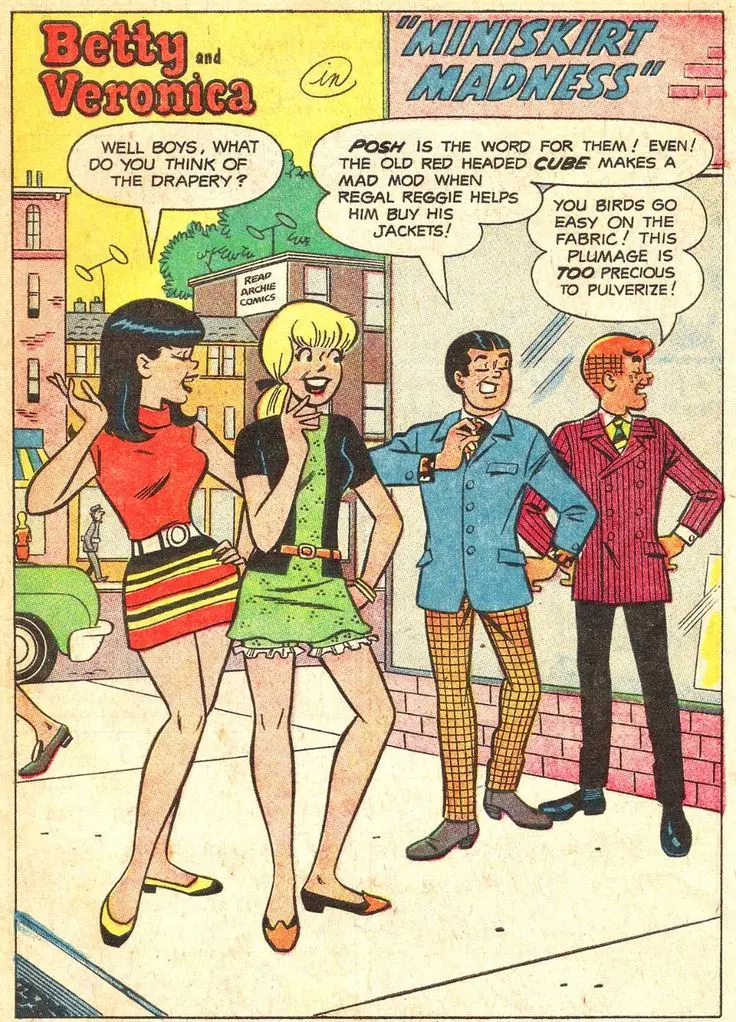
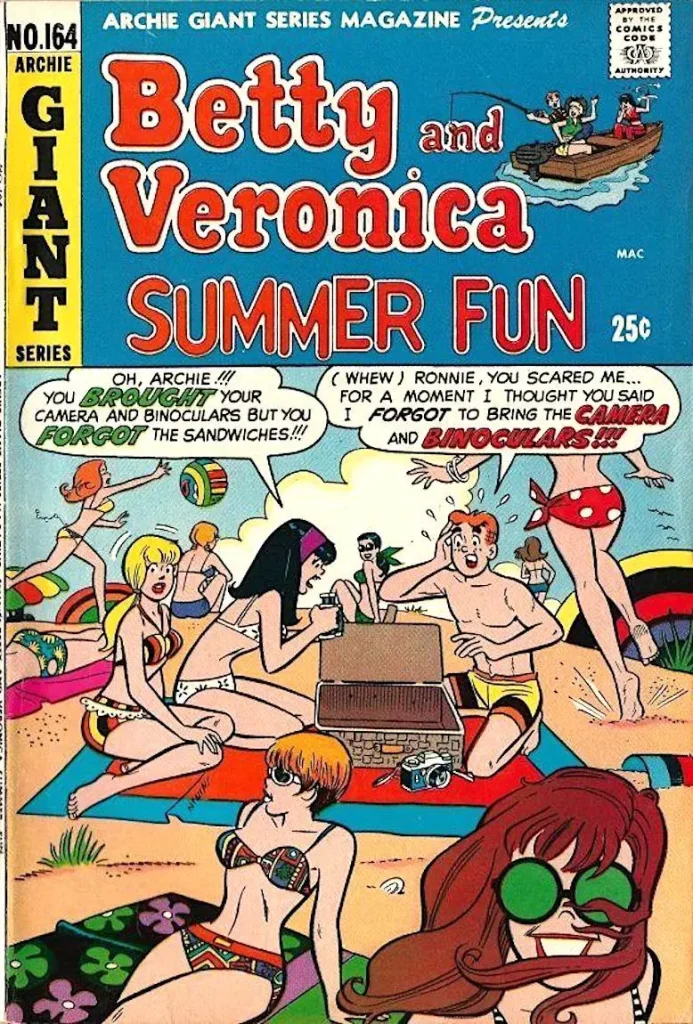
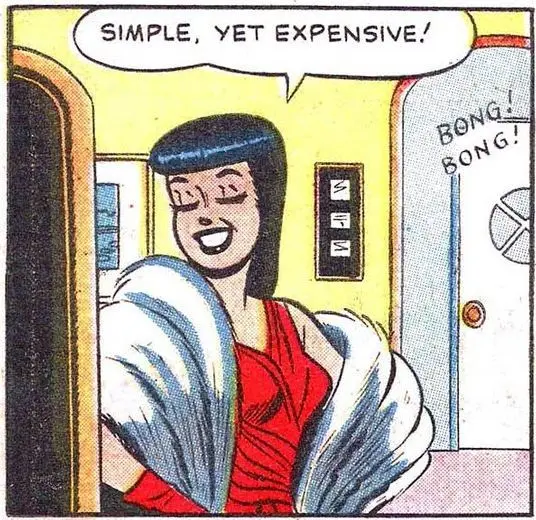
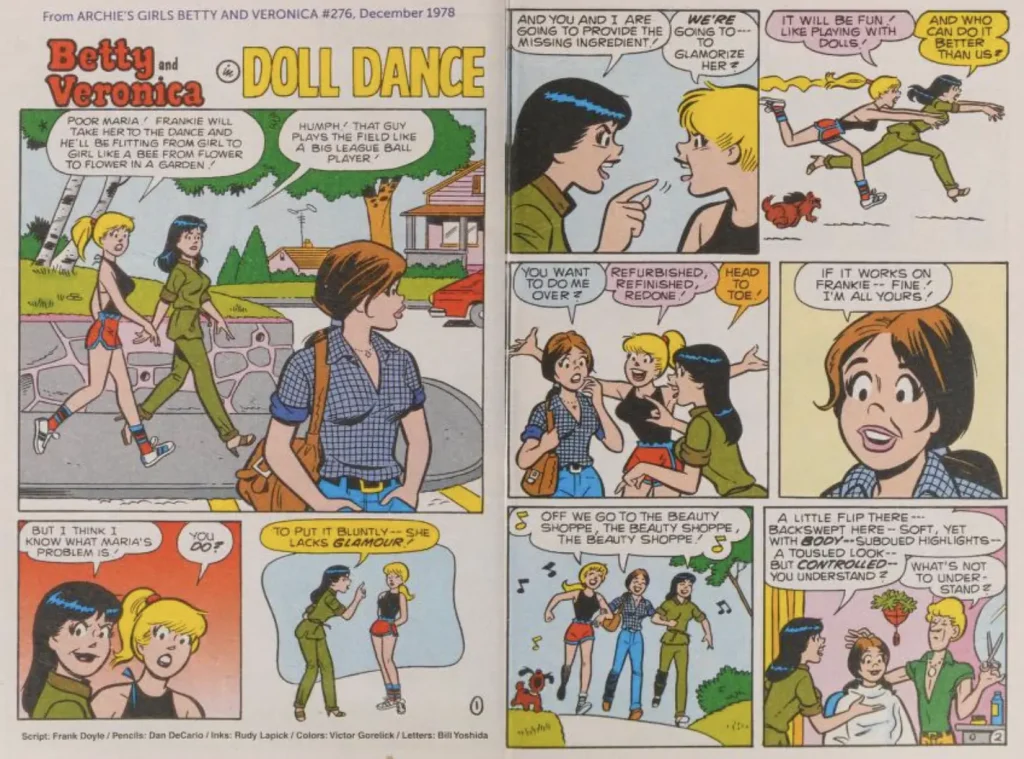
“We all read Archie. Even if you had no comics ever, were nowhere near a comics store (we were maybe 4 hours from the nearest comics shop? I wouldn’t know, I never went), you had Archie. I feel like this was a fact of life. I’m extremely thankful for Archie comics for teaching me the language of comics before I even knew I was interested in it, or what I was looking at. Later, when I started making comics, I had my bearings about story progression, characters, punchlines, timing, stuff that you just get because you’ve read and absorbed things. I think everyone has their favourite “era” of Archie, I loved Harry Lucey’s work. Samm Schwartz had a distinctive take that I could really get behind in a way that few others managed. I know DeCarlo provided the modern template and that people who came after would often try to imitate it, but I guess that’s for a reason. It wasn’t just that he could draw so well, it was the style of it all. The clothes. The panel compositions. The action and humour and personality. You never got tired of looking at it.”
Sheilah Beckett
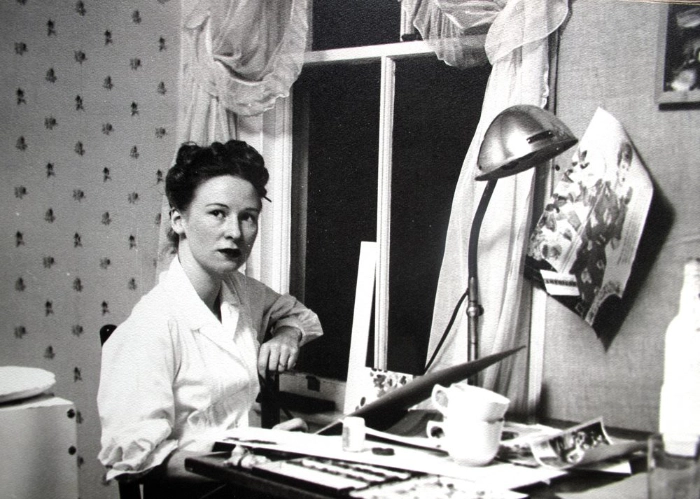
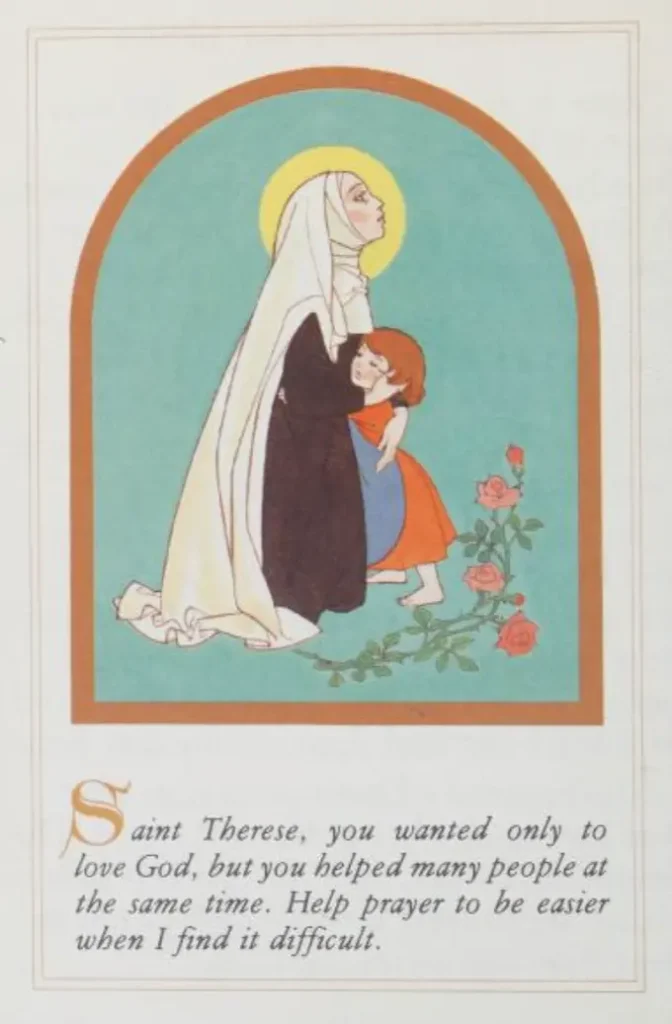
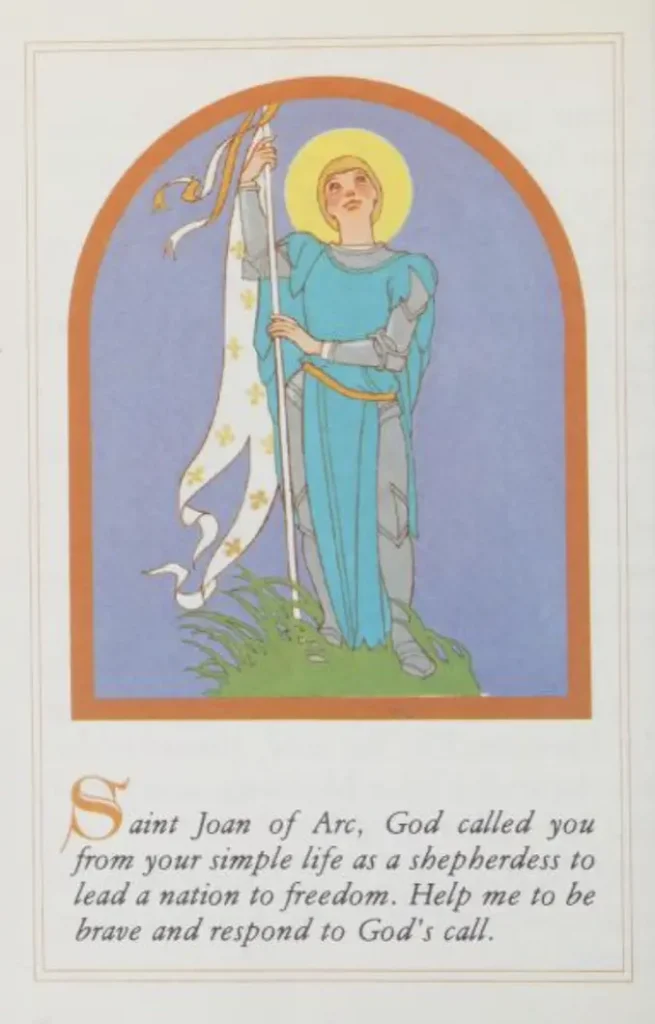
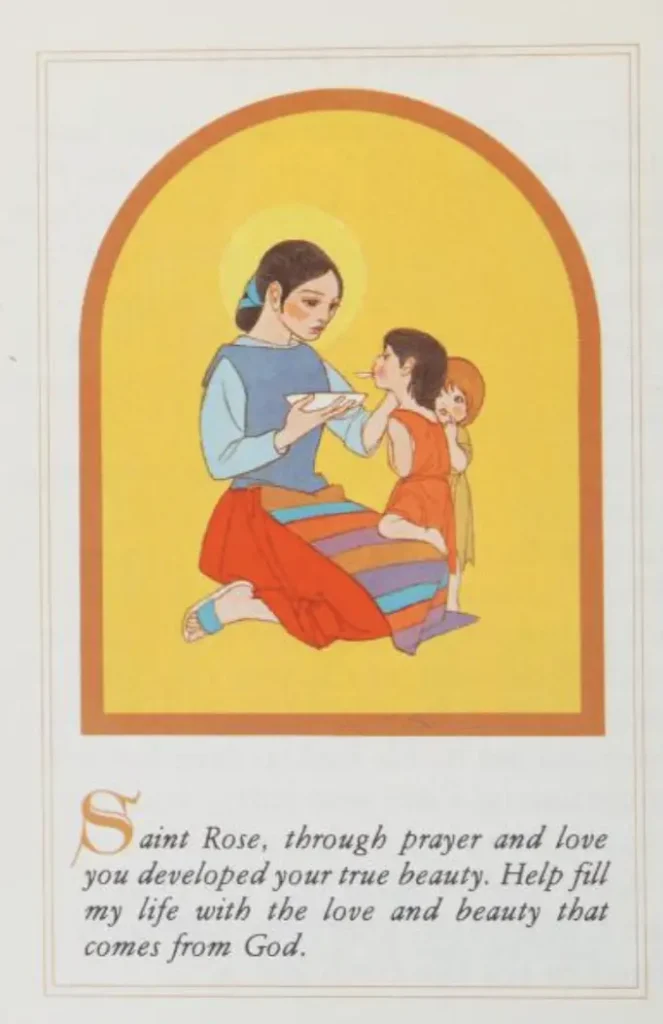
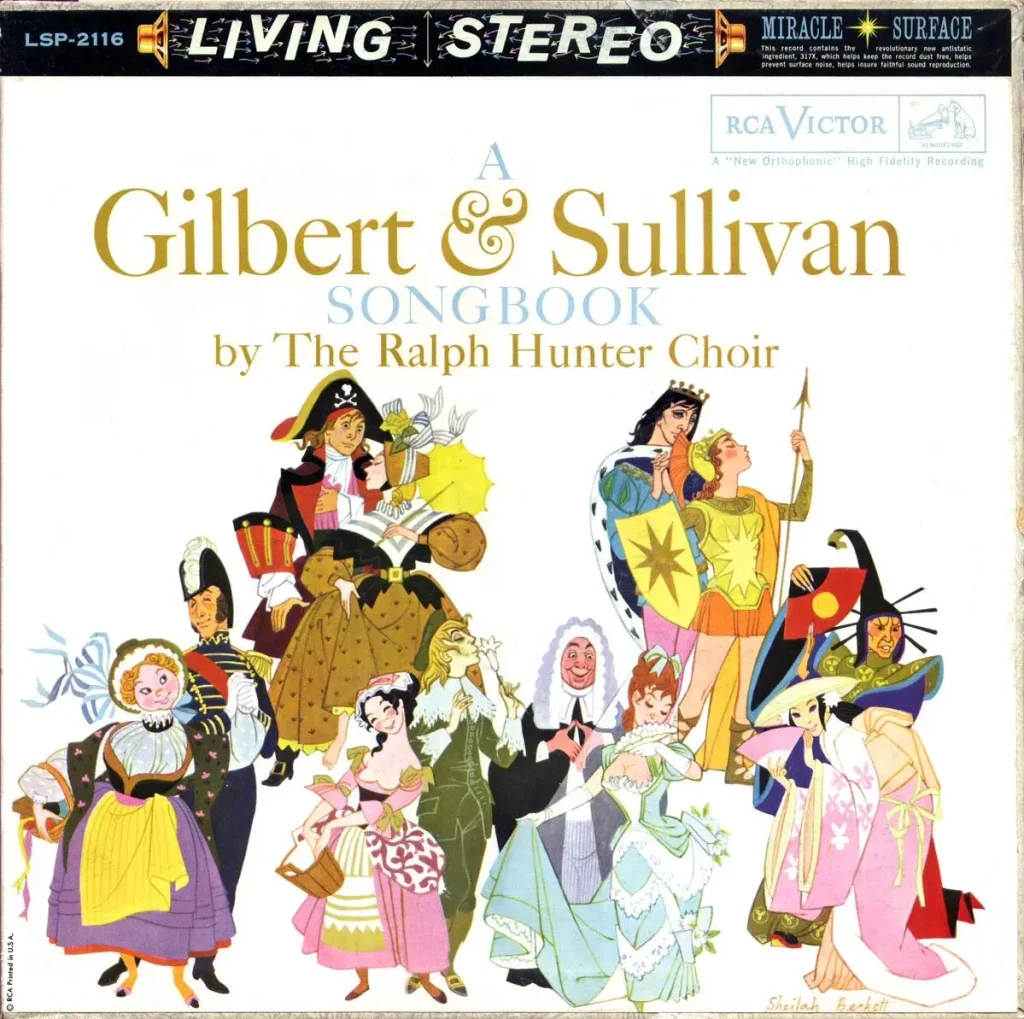
“Again, having very little in the way of comics as a kid, I certainly had access to masterful cartooning all the same. We had some picture books illustrated by Sheilah Beckett, just by chance. Little Golden Books. She wasn’t a household name like your Maurice Sendaks but if you google her, you might say “oh yes, I remember this.” Her linework was so lush, so full of romance. Could you ever be as beautiful and opulent as any one of her drawings, no, never, it was pure fantasy, and as always, it was the linework that did it for me. She was capable of very sensual drawings (look up her wives of Henry VIII book) but we had the book “Lives of the Saints” that she illustrated, and she absolutely sold giving your life to God because of her ability to sell romance. Being a saint because of piety? No thanks, boring. Being a saint because of the romance of it all? Yes please.”
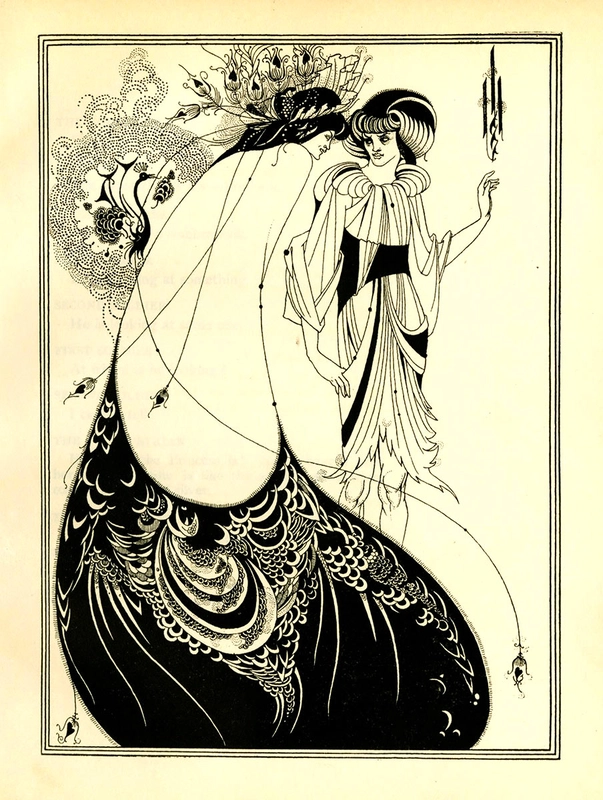
Aubrey Beardsley
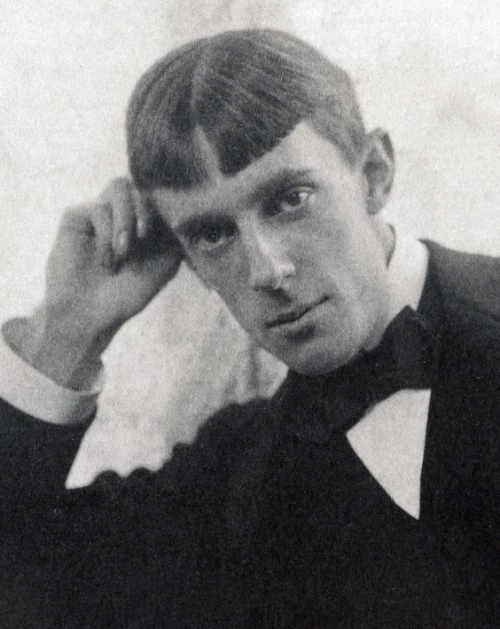
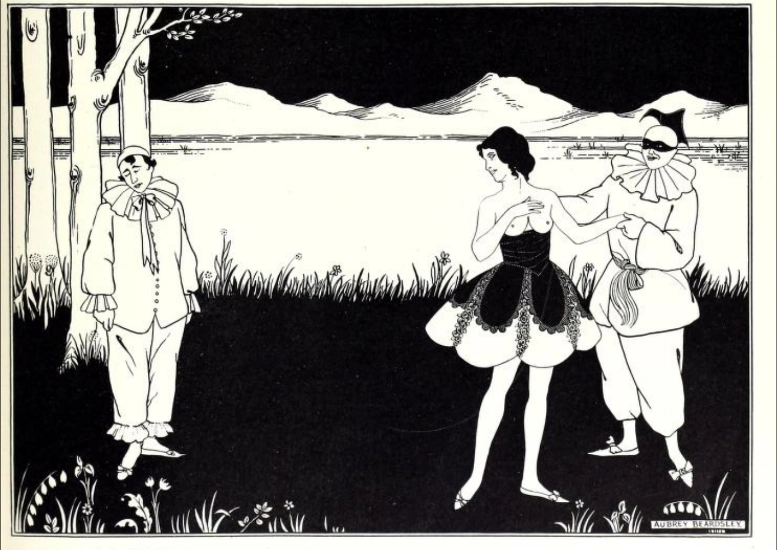
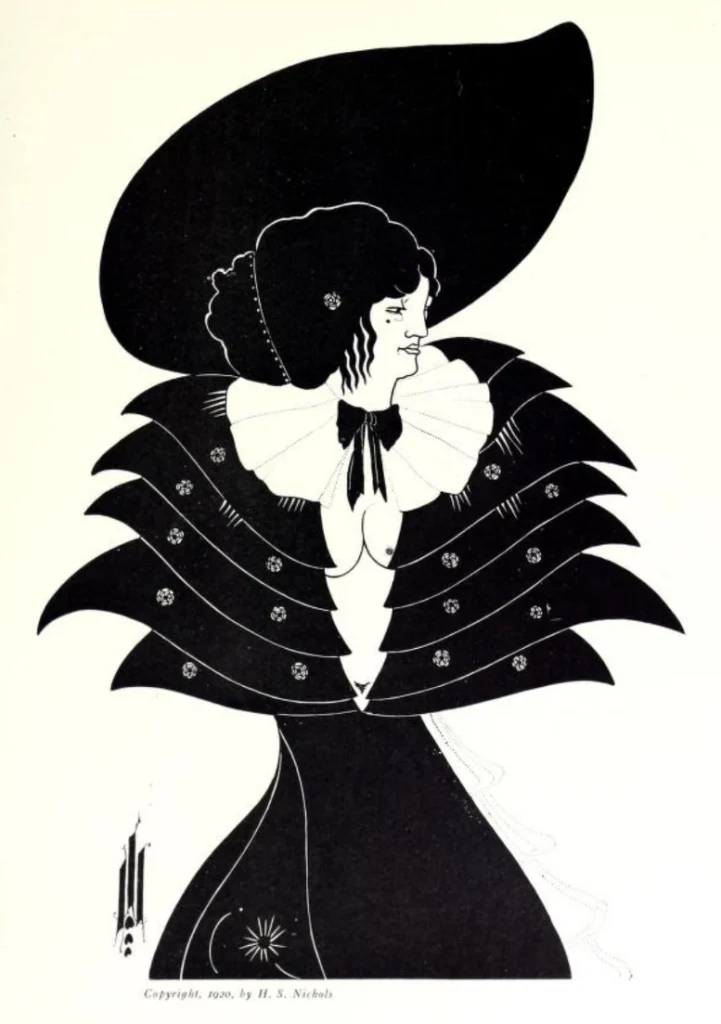
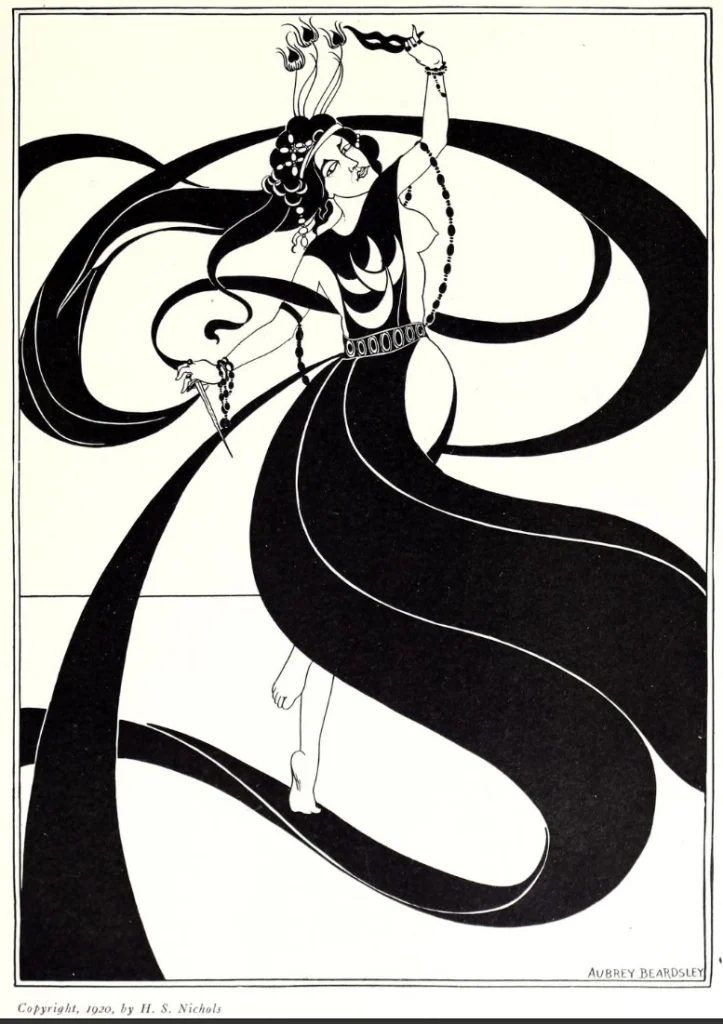
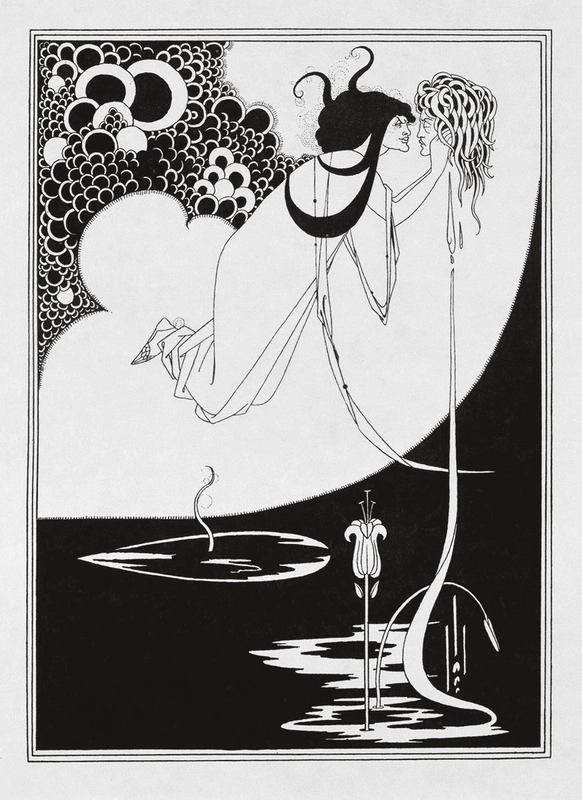
“I discovered a book with Aubrey Beardsley drawings in it at the library when I was a teenager, which is the perfect time to discover this guy. You, the weird, angsty repressed teen looking at the weird angsty drawings of a guy from a repressed time. I felt like I was the most refined, cultured person, looking at them, and readers will surely agree and be impressed even now when they see him on my list. I was always drawn to fluid linework, but the thing about Beardsley was that his work also had this deft employment of solid, dramatic, or swarming black shapes, so that you were drawn into them and then also so aware of his perfect use of negative space. It was a concept I didn’t have words for at the time – “negative space” – and it’s not like my work imitates it, but I feel like the influence is there and has been there since.”
Walter Brogan

“This is going to sound silly, but, I didn’t read Mad Magazine as a kid because someone told me it was for boys. They were like, “that’s not for girls” like I was doing something I shouldn’t by looking at it. And I took it at face value because you often do that as a kid. This is like 1994 or 1995, so I am like, 11. So I looked at what else was on the magazine rack and I bought Cracked, and I continued to get it if I had some money. I know everyone has this great nostalgia and reverence for Mad but I don’t, because I was told it wasn’t for me. In fairness, when you picture the audience for Mad, you picture boys. It is very boy-coded. It was easy for me to believe what I was told. So anyway, I bought Cracked, and I remember Walter Brogan’s work very well. He would parody television and movies, and his drawings were so, so funny. It honestly probably didn’t matter that much whether I got Mad or Cracked because we had two TV channels and no movie theatres, so I didn’t get most of the jokes because I had never watched most of the shows and I would only get to watch whatever movie was out in a year’s time when it landed on the video shelf. It didn’t matter to me that I didn’t get all the jokes, Walter Brogan was what I wanted to be – he was funny. His lines could be so loose or so tight but the caricature was always spot on, I think. A hand in one panel might be extremely detailed with like, knuckles and hair and fingernails and in the next panel it might just be a pile of loopy lines – it was whatever was funniest, the drawing was in service of selling the joke. Years later I remember looking through some Mad magazines and I remember thinking, I don’t really get the appeal here, basically because Walter Brogan’s work wasn’t in it.”
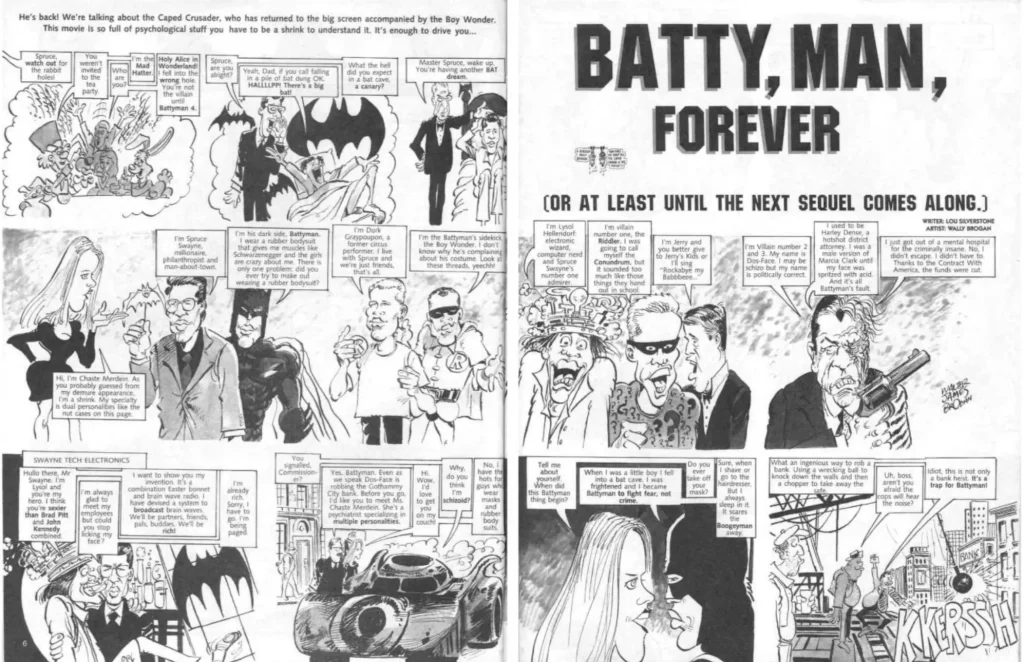
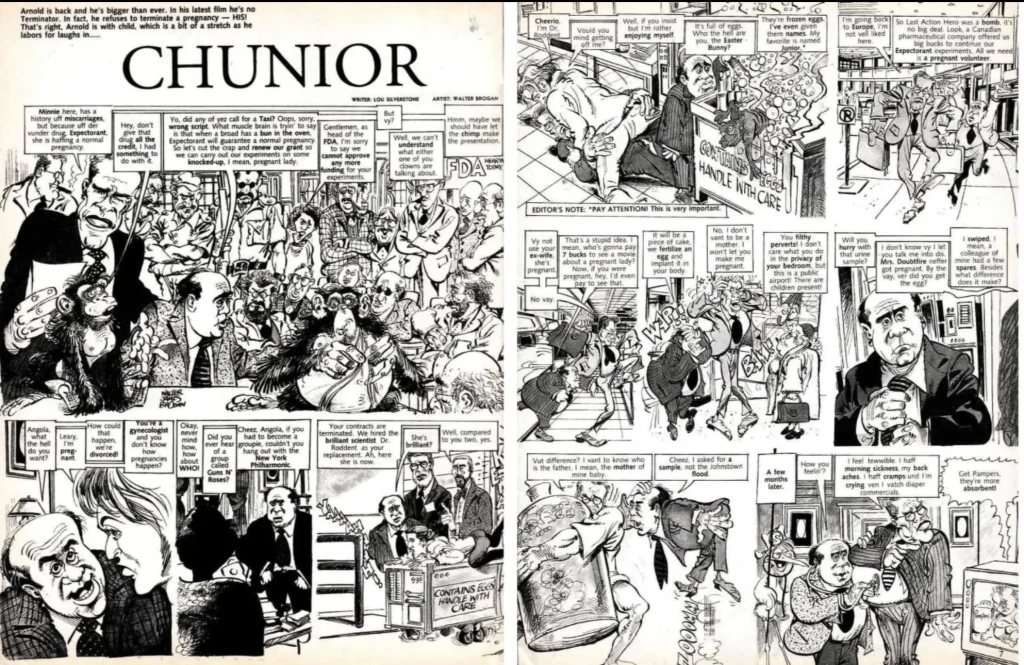
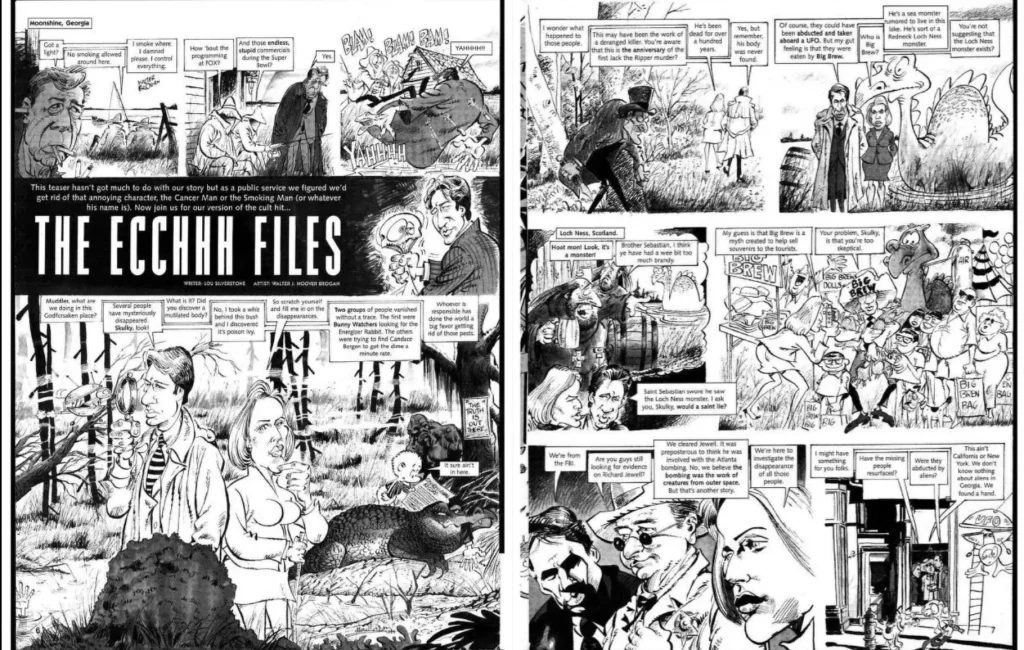
Editor’s Note: After readers pointed out that the some of the original example artwork above was drawn by Walter Brogan, Kate reached out horrified that she had misremembered Brogan’s name for many years. The article and art have been updated to correct credit Walter Brogan.
Lynn Johnston
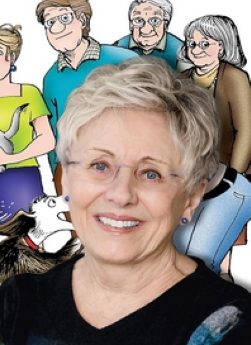
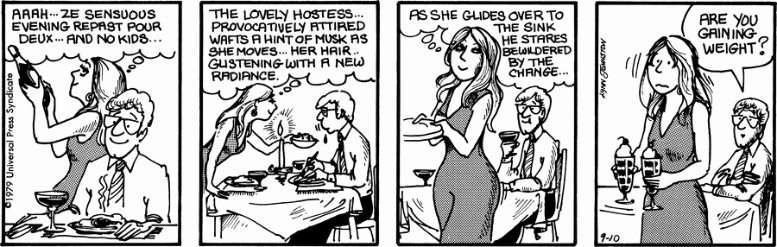
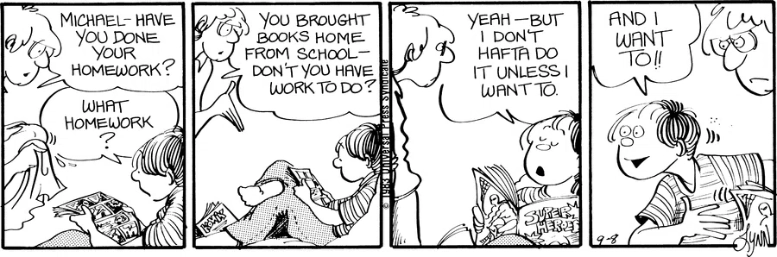
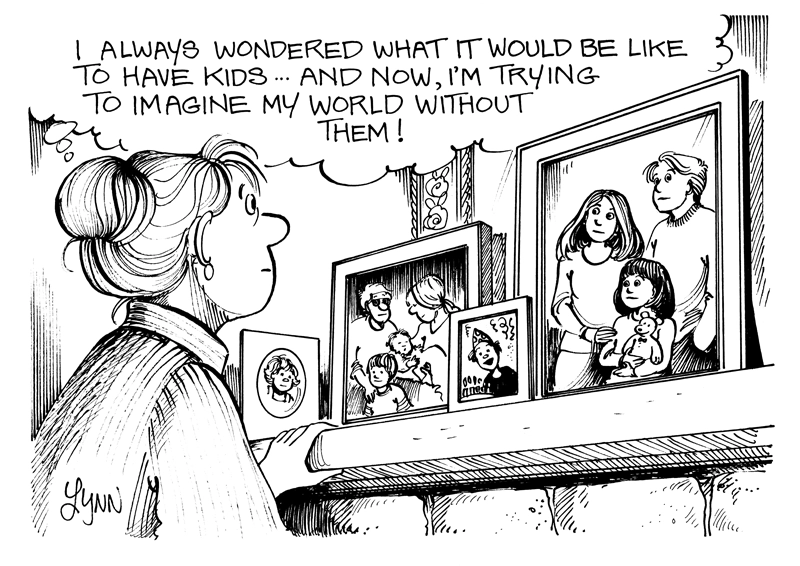
“My village is very rural, with about 1500 people, so as I established before, there was not much comics coming down the pipe during my most influential years. We had the newspaper though. It’s true what people say when they insist that it is important for kids to see themselves in the thing they love in order to understand that they can do things. Lynn Johnston was two things that most cartoonists were not on that comics page. She was a woman, and she was Canadian. Her comics about a family in suburban Ontario were as popular as any, just without the merchandising power of Jim Davis. But in Canada at least, there were For Better or For Worse animated tv specials that would run yearly. So it really felt embedded in culture in a special way, they were a family you grew up with. Later, as an adult, I learned about the ways she had been fearless- standing her ground after revealing one of her characters was gay in the early 90s, being the first female president of the National Cartoonist Society after joining at a time when male members literally made the few women like Cathy Guisewite walk on stage in a mock beauty pageant wearing a sash that said “cartoonist” while they clapped, an insane story. I have great respect for the people who came before me. Lynn is up there at the top.”
William Hogarth
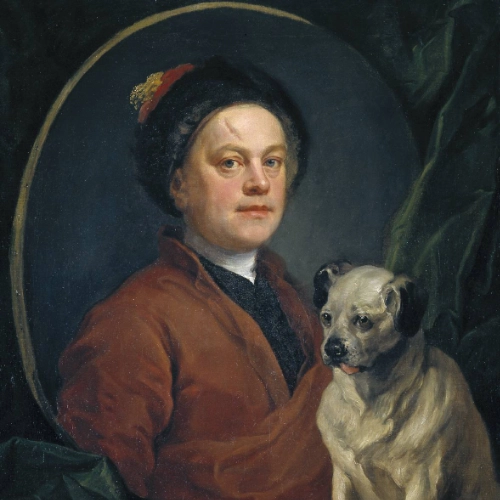
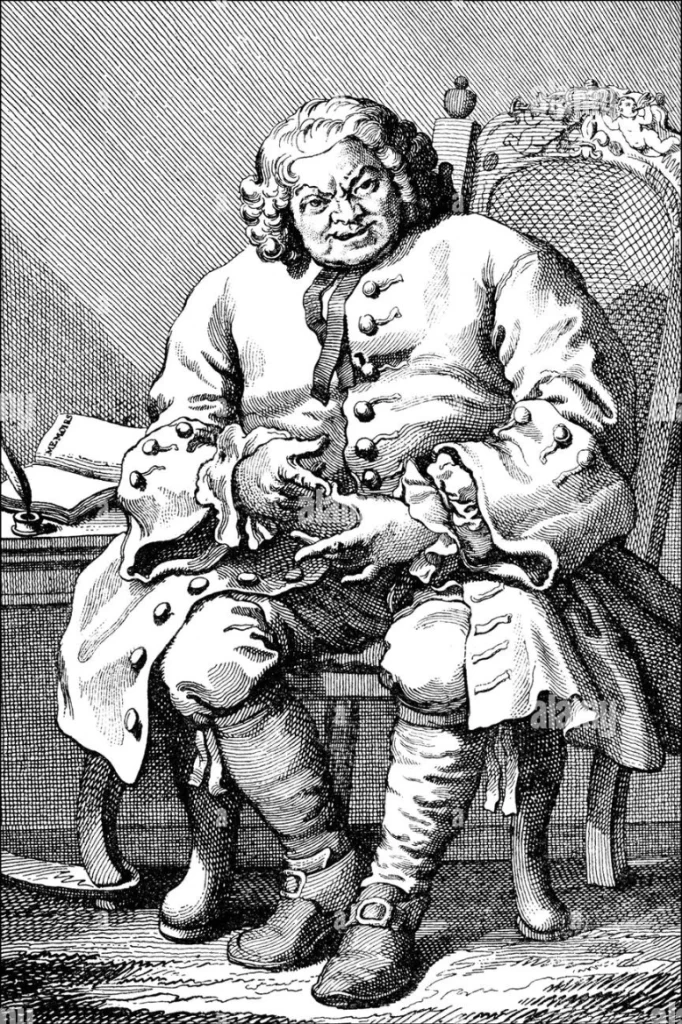
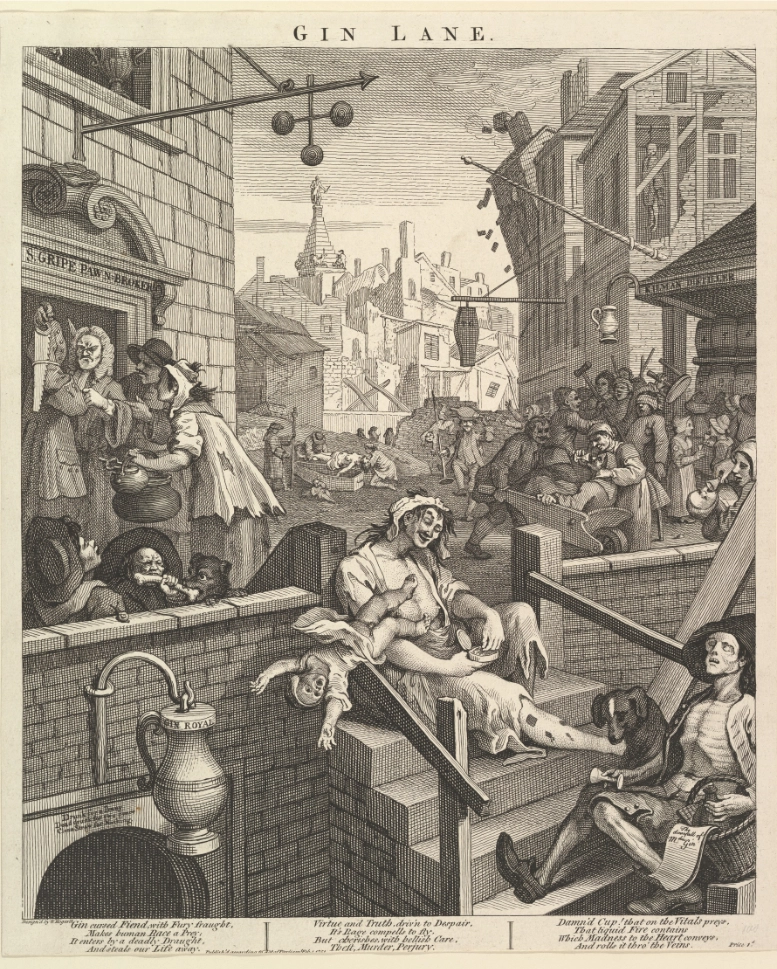
“So, I like history. I’m no PhD but I like it and made a name for myself in comics because I am so interested in it. Hogarth is one of those precursors to the modern cartoonist, if you go through university and study history in the era he lived in, you are probably going to find one of his drawings in your book even though you are not studying cartooning at all, because he is depicting societal stuff. I’m sure that’s how I saw his work first, probably Gin Lane. He emerges at the dawn of political and social satire illustration, and they can be moralizing, but because of the satire, they are also wringing out humour, and he was merciless, he is mocking the thing as well as taking it seriously and he makes it work. In Gin Lane for instance, there are awful things happening, like a mother so addled with drink that her neglected baby is falling to its death. Substance abuse wrecking lives. But it’s also just like, too crazy. The woman with the falling baby dominates the picture, but there are also things like a dog and a man gnawing on the same bone (possible but probably not the two of them at it at the same time), or in the background, a madman sauntering around with a baby on a stick in one hand and hitting himself on the head with a bellows in the other hand (this is a bit much). But what do I know about 18th century slums! Maybe sauntering madmen were everywhere. You wonder where the line is and where he crossed it. But I love it. He also drew more straightforward things, like his portrait of Simon Fraser, Lord Lovat. Except it is and it isn’t straightforward, because the man was not that. Fraser, “The Old Fox,” was a notorious character who tried to play both sides in the Jacobite ‘45 uprising, and lost his head for it in the end. A schemer, a meddler. Hogarth’s portrait of him is not just your usual boring face profile, it’s Fraser on his way to his execution. And he is sitting there counting something off on his fingers while looking deliciously wickedly at the viewer. There’s no remorse, or whatever. You can understand why an artist like Hogarth would like to draw him. And it turned out to be completely apt: on his execution day, there was a platform on which a bunch of spectators were clamouring to watch him get beheaded, and it got overcrowded and it collapsed and killed nine of them. Lord Lovat thought this was hilarious and laughed his way to his own head chopping. So as a cartoonist and historian (of sorts), yeah, Hogarth’s work is very important to me.”
Chester Brown
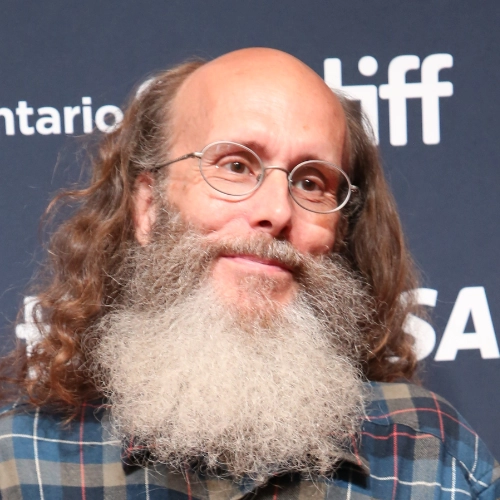
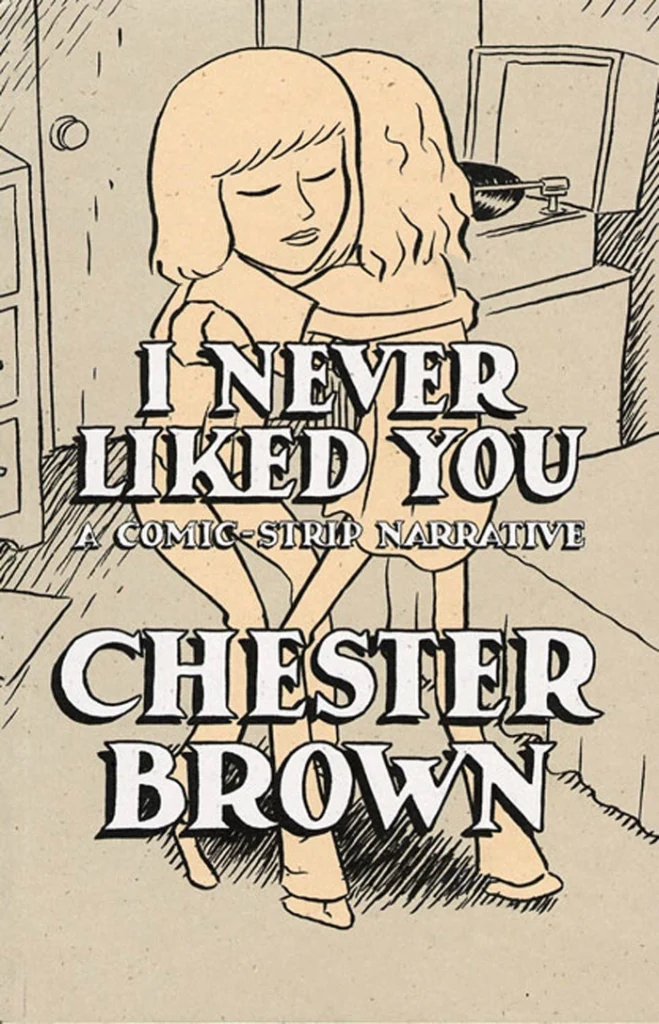
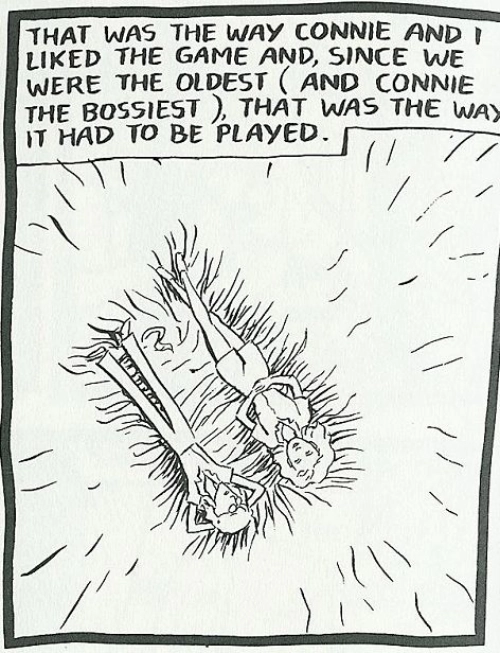
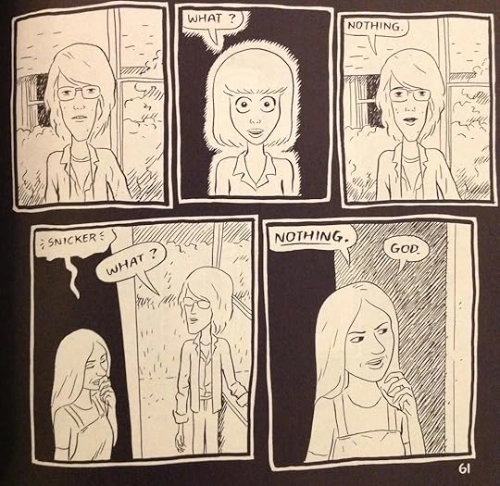
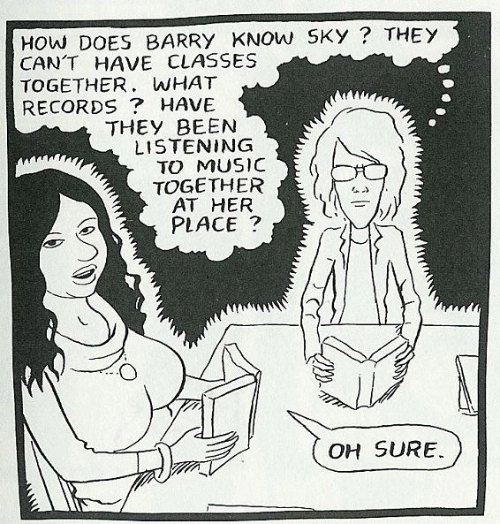
“I think I have told this story many times, but, I was in university when I discovered comics had more to them than newspaper strips and Archie (though as stated, those were a big deal to me). I had never seen a comic book, and of course I had never seen a graphic novel type of book. Then one day I was on the top floor of the university library, and there was one small shelf (this is 2004) with comics on it. A few books about the history of comics, and notably, about three graphic novels (lol). I picked up “I Never Liked You” by Chester Brown and sat at the desk next to the shelf and read the whole thing cover to cover. I did not know what this was, it was so personal and confessional and unafraid. I felt like, “does this man know that I can read this??” haha. Like I had accidentally found a diary I should not read. Autobio is still my favourite genre, and it is still true that the more willing people are to reveal the unvarnished truth of themselves, the more the book has to say, the more you connect to it.”
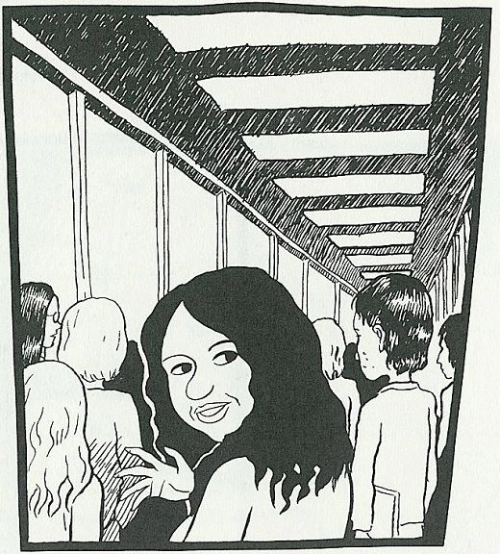
Gilbert Hernandez
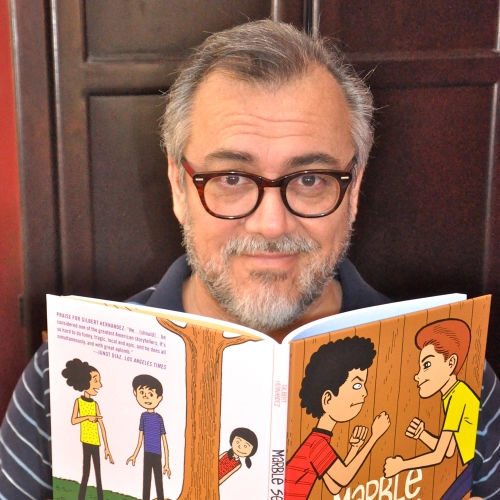
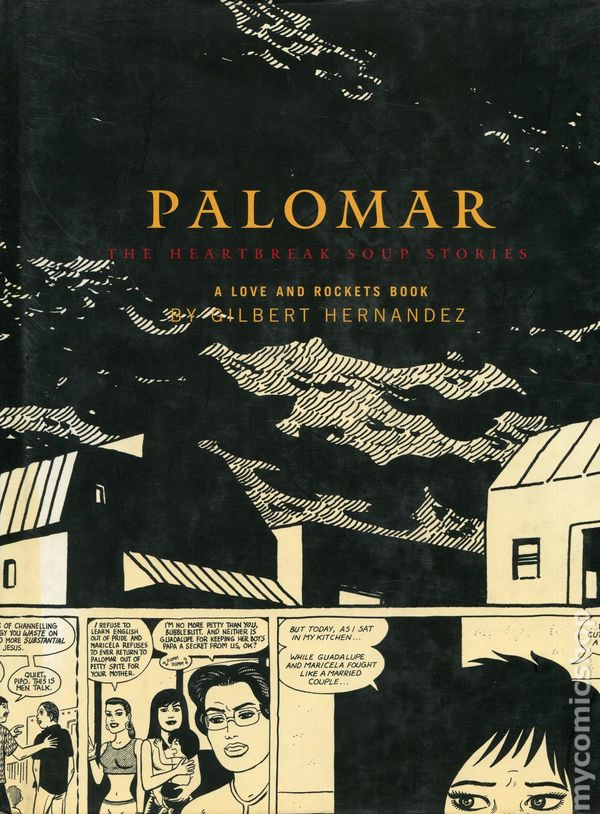
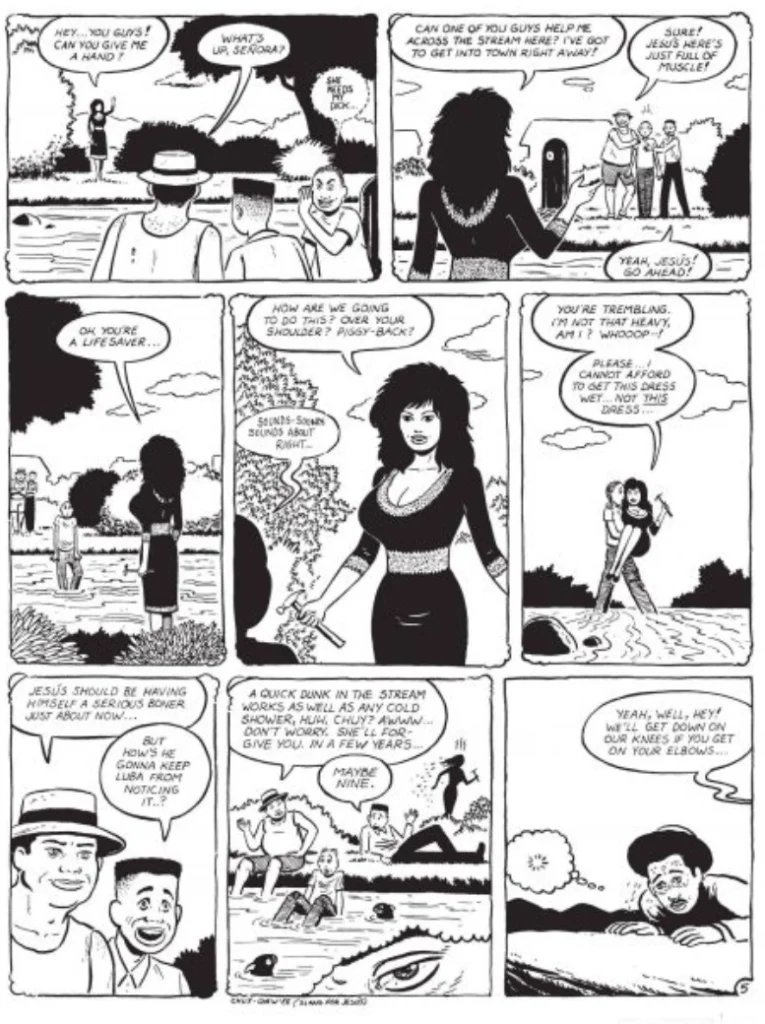
“I had only just started reading indie comics, graphic novel type of books, when I came across Palomar: the Heartbreak Soup Stories by Gilbert Hernandez, and I was blown away. Here are these comics about a small town in Central America, so far away from my experience, and yet it felt so much more familiar than almost any other thing that I had ever read. Palomar is all about life in a small village, the good and the bad, the culturally specific, the mix of personalities, the generations of history, the kind of blend of earthy realness and something more like folklore. And that was all so recognizable to me. It’s a masterpiece. And for someone who is from an obscure small place, it showed me that the specificness of my observations and experiences had power, and if the story is good, then people will follow it, even if they can’t find the place you are talking about on a map, and they never met anyone with that accent, and everyone in the story is a poor nobody. In terms of social class and storytelling, Palomar showed me where I had a place.”
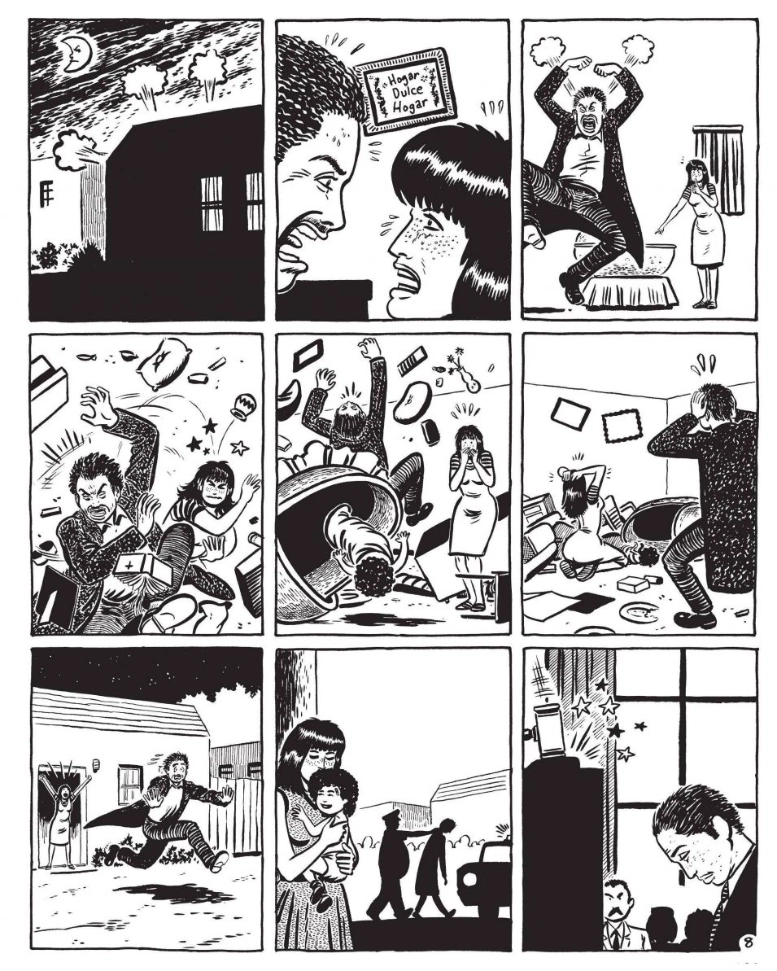
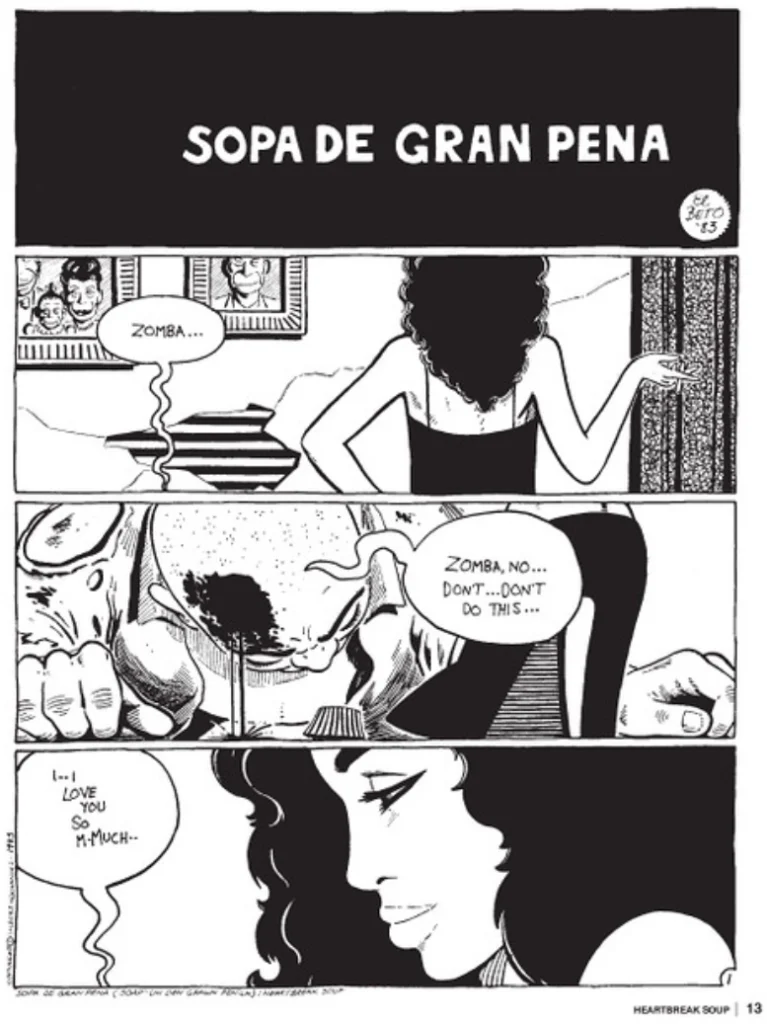
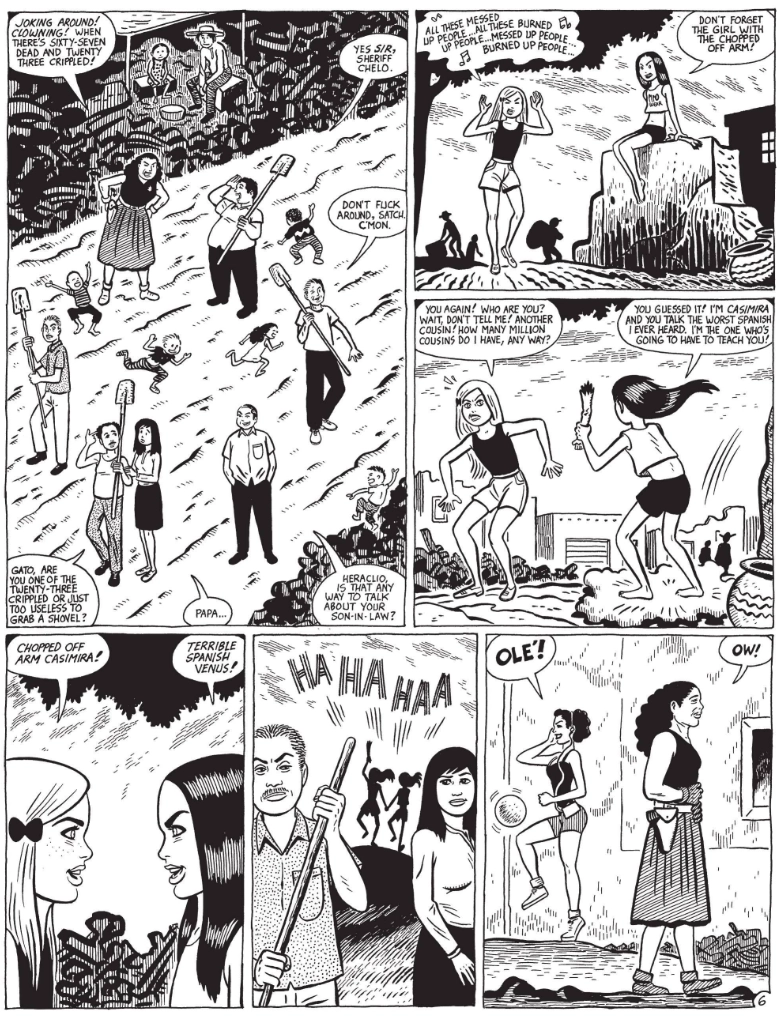
Kate’s list of 3 contemporary cartoonists whose work she admires
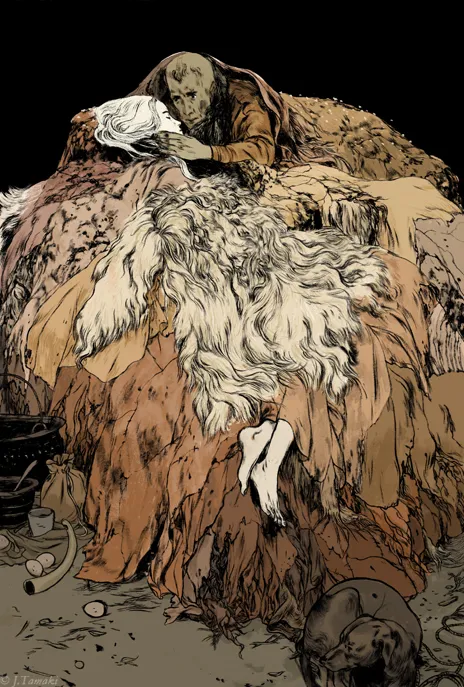
Jillian Tamaki
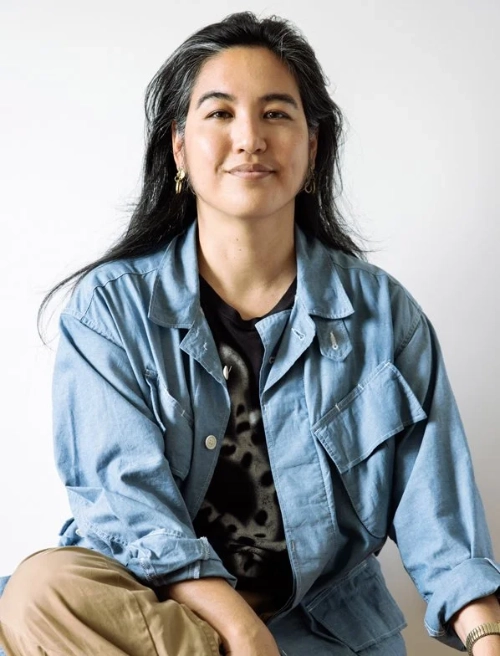
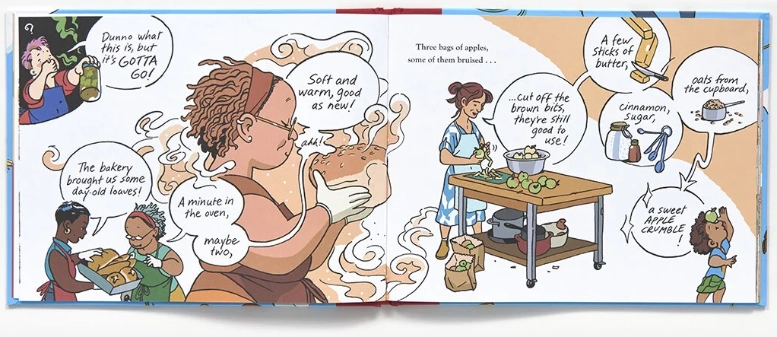
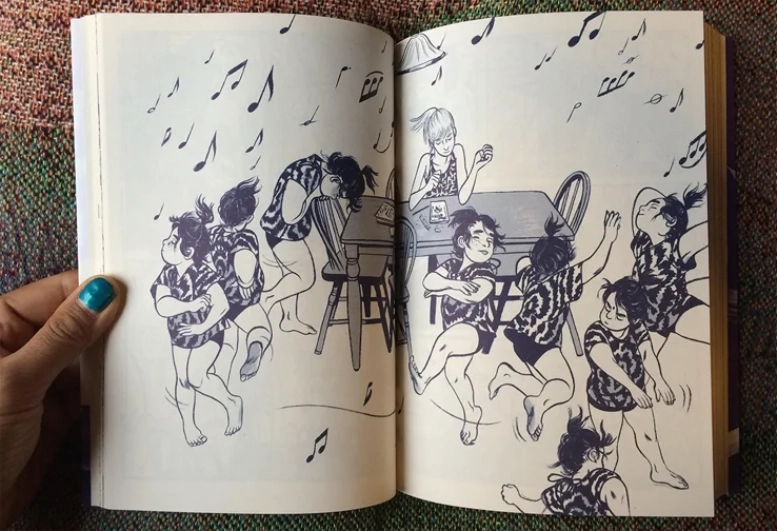
“I don’t want to point fingers, but, I think Jillian Tamaki is… the greatest cartoonist alive right now? I don’t have proof of this, I don’t have the data, but I’m pretty sure that in the future, people will look back and agree with me. Sometimes Jillian will try her hand at a new art form to shake things up, like embroidery, and then absolutely nail it because she can do everything, and then you want to throw your pencils out the window and become an ascetic, because what’s the point?? When people ask me about the artists I admire I feel like her name always comes out first. She’s so good, as both writer and artist, like, as an artist you look at her drawings and you fall into them, they are completely alive. And as a writer, she never boxes herself in, she is whatever she wants to make in the moment, like she is always thinking about this or that thing and it comes out naturally. She’s very tuned in, like, look at how she handles body language. Of the kids in This One Summer, the teens in Super Mutant Magic Academy, the young adults in Roaming. It’s all observed perfectly. My children love her picture book Our Little Kitchen and I love reading it to them because I get to marvel at it over and over. But I appreciate the example, that you can shift gears, that your best work is going to come from whatever is capturing your attention at the moment, that we contain multitudes.”
Eleanor Davis
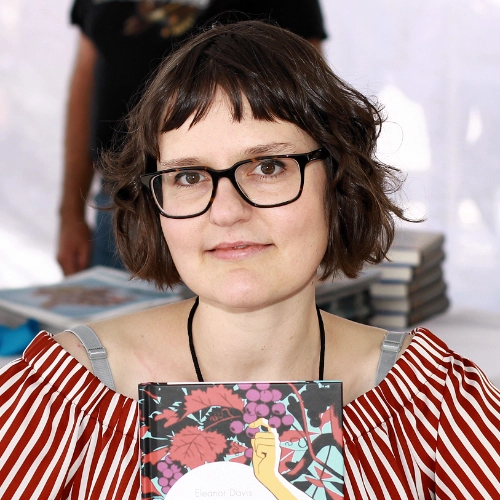
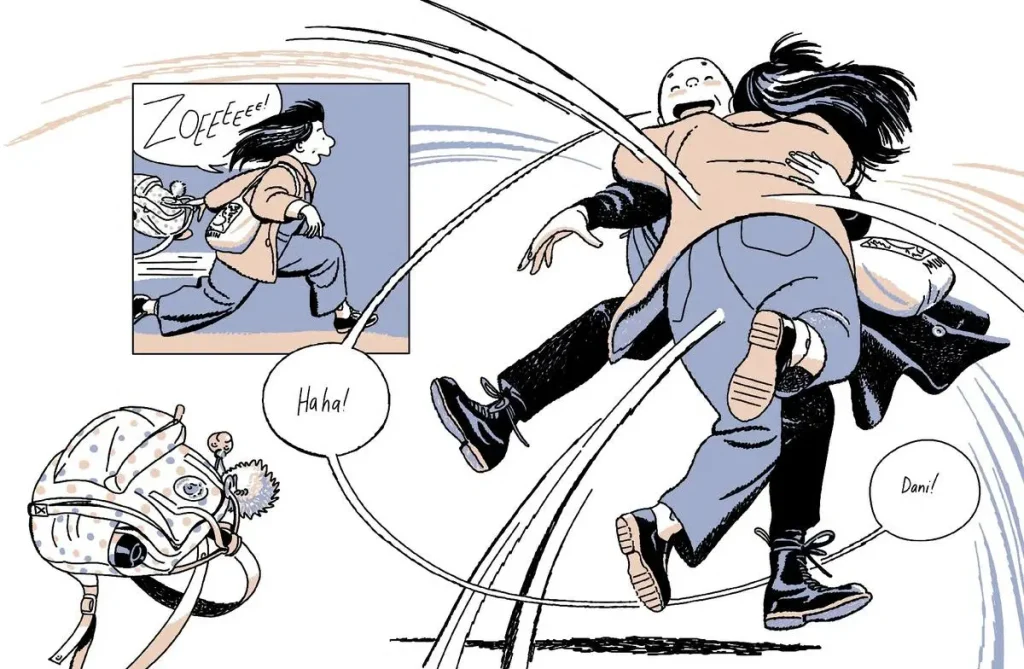
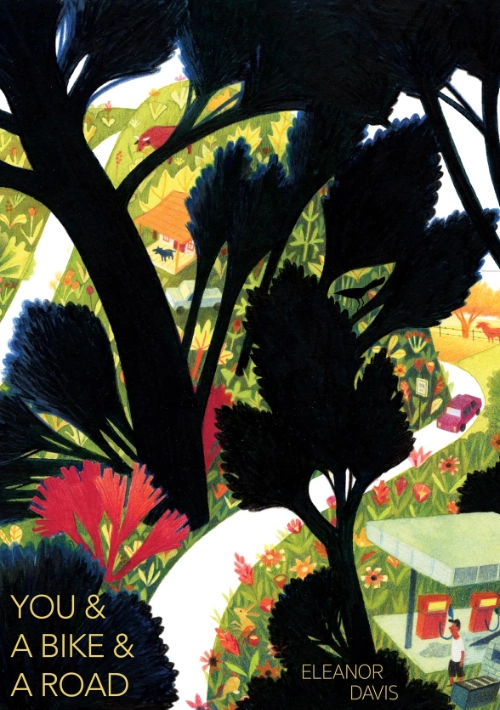
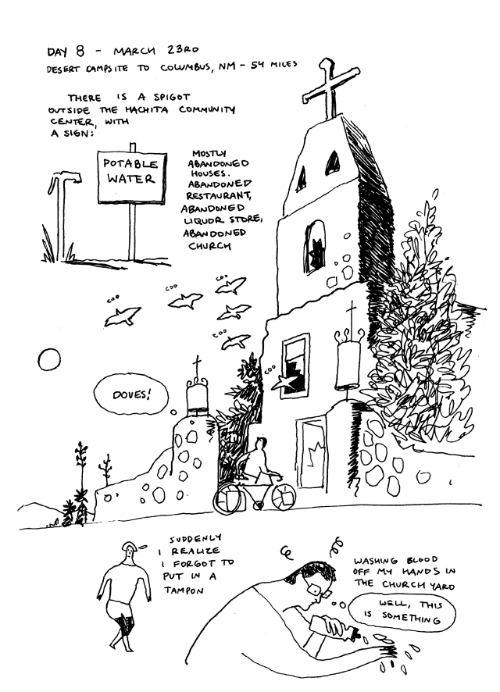
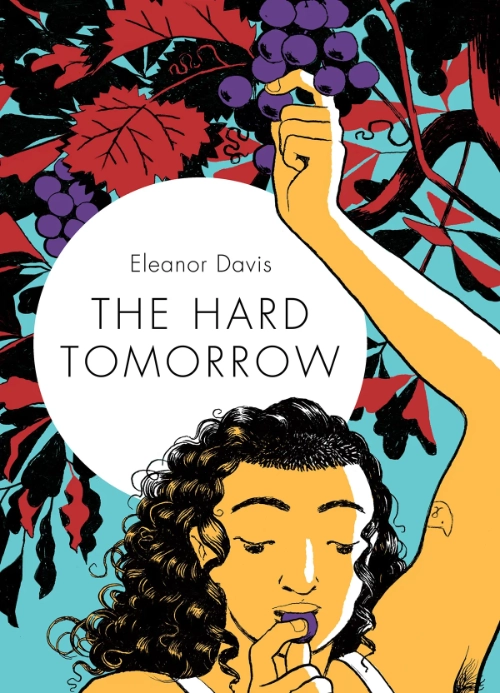
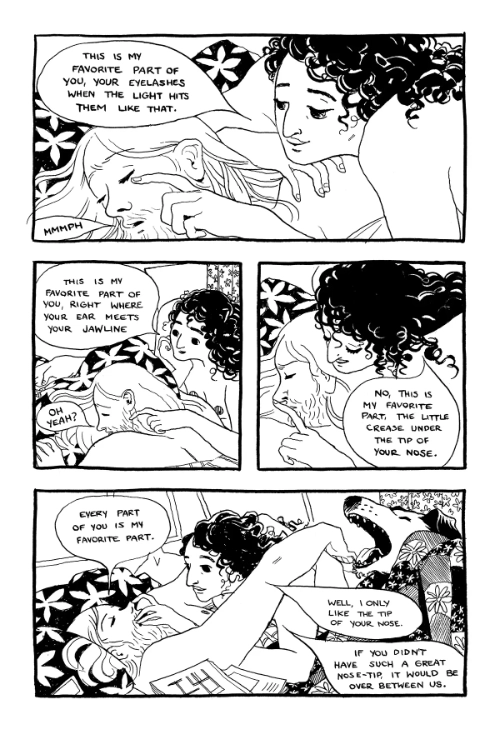
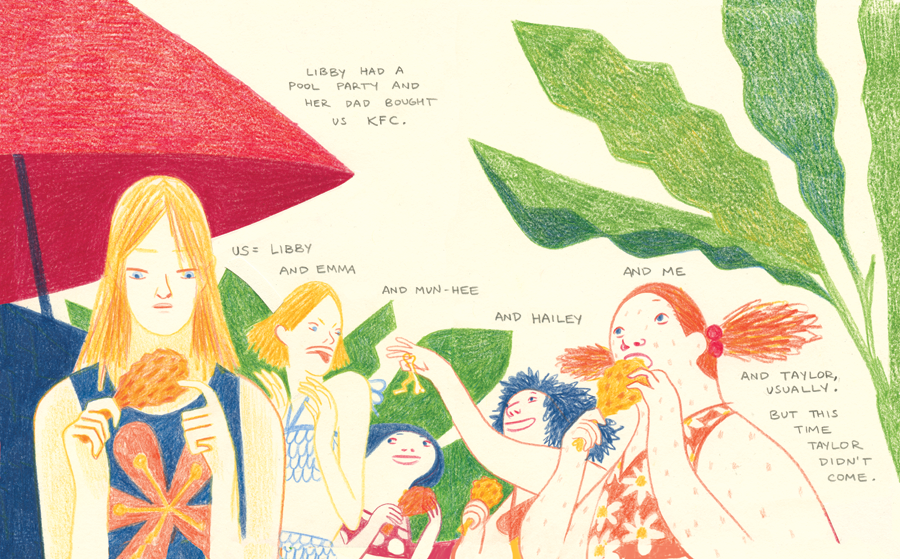
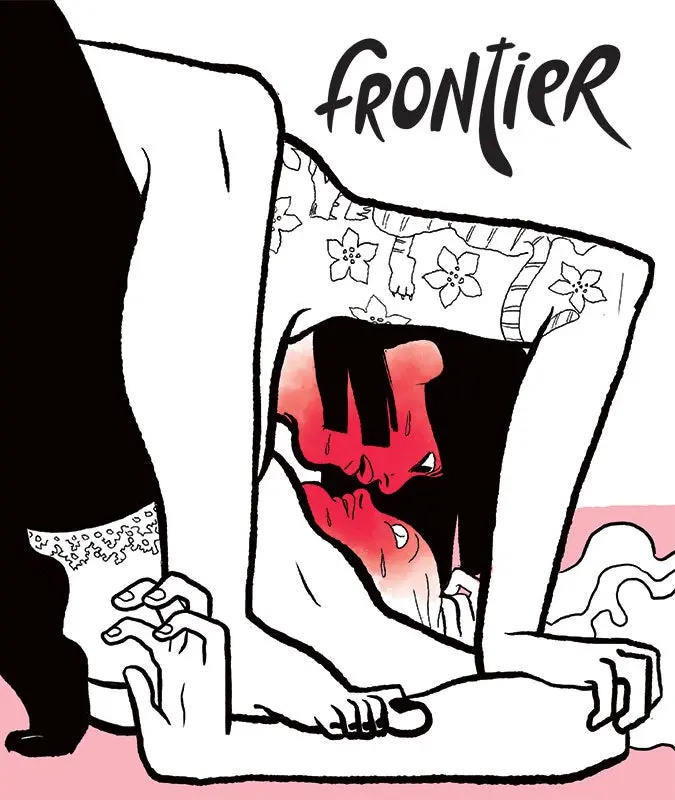
“When my generation was putting comics out in the world for the first time, in our early 20s and with our LiveJournal accounts, it was hard to know who was going to be in it for the long game. Most of us were pretty unformed, a lot of us were dime-a-dozen in terms of skill, that’s the way of things! It was still fun and a great time to be a part of comics. However, I think if you asked anyone in those circles about who had the real chops, they’d all say Eleanor Davis. I remember seeking out issues of MOME because she was in them, and that felt very comics-cool. Man I thought I was cool coming to the comics shop looking for that haha! She makes work that can really get under your skin, like The Hard Tomorrow, or Libby’s Dad. If you want to see what a master she is, You & a Bike & a Road will show you how honestly, effortlessly good she is. Ostensibly, it is a sketch diary, except that it is stunning haha. Smooth, sad, honest and funny (“Meet my husband!!”). Back to those early days, to me, she was proof that although we were all young and inexperienced, giants walked among us. I was right. Eleanor’s work has always been, and remains, captivating, curious, empathetic, vulnerable, fiercely human in a way that feels like it is standing its ground. And beautiful, my god. My god. I could never reach those heights but I love living in the world with them.”
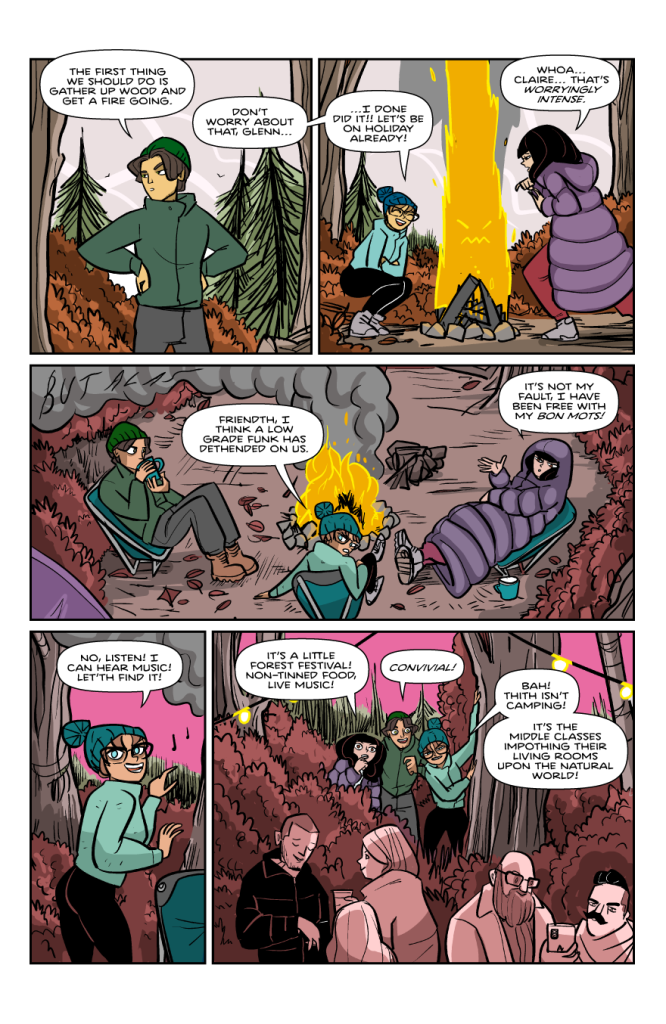
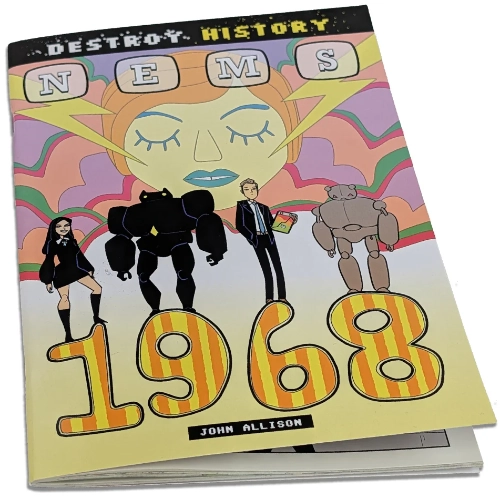
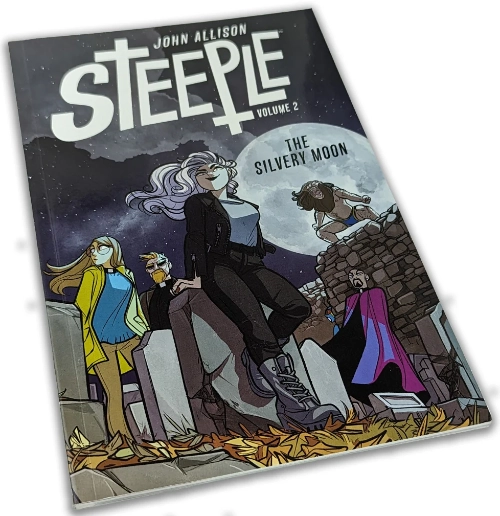
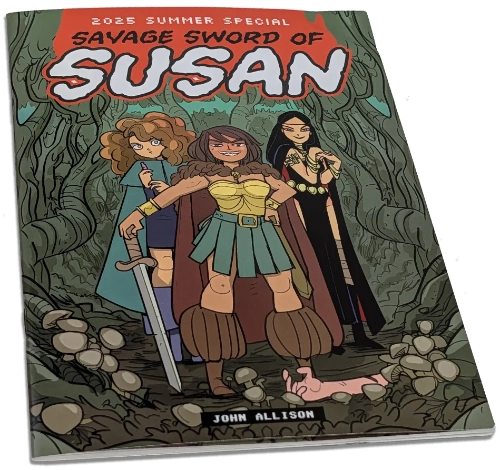
John Allison
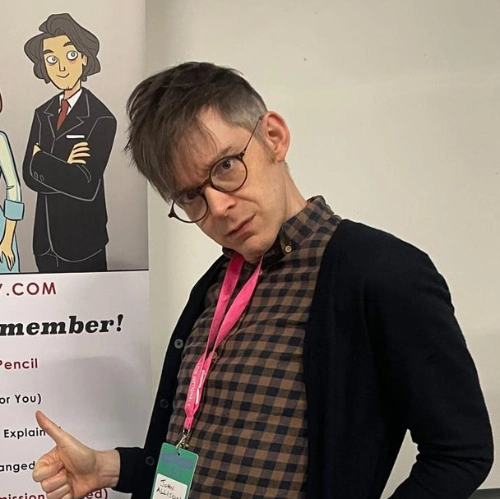
“I got to know John early on in my career. Putting comics online meant getting to participate in this online world where people talked to each other about the things they made, you know, back when the internet was new and exciting and not ruining all of our lives. And it really was exciting. I met many of my friends and the peers I admire most this way, this was the best part of coming up in comics in the late 2000s. So I have always thought so highly of John’s work, it’s been a pleasure to have been a constant fan, and the consistency goes both ways, a reader keeps coming to his work, and he keeps producing it. You can take the regularity of a comic strip that updates on time for granted, but we oughtn’t, the talent that can make that happen (and keep it top of the game) is rare. The way he writes is so singular, so funny, and no one else could ever do it like him. That is actually very hard to achieve, especially these days where people’s styles and voices sort of mesh together a lot, because we are all consuming the same media and influences. There’s like a streamlining of style, one that I encourage young artists to swim against in order to stand out. You’d know John’s work anywhere, he has carved out a distinct place. He has created entire worlds of characters that you fully believe in, and the jokes land because you believe in them. But he’s another one that understands that his best work will come from creative shifts, and he playfully moves his universes around. John also has a work ethic that is beyond me, he is quite dedicated to craftsmanship in a way that I have always been more flippant about, to my detriment. He puts a great deal of thought into getting better at what he does when other people would (and have) just sat on their laurels. I’m also madly jealous of everyone whose work I think is funny, so John is maybe the apex of that in terms of contemporary cartoonists, but it’s a healthy jealousy. It’s good to be humbled.”
John’s Website | Instagram | Patreon
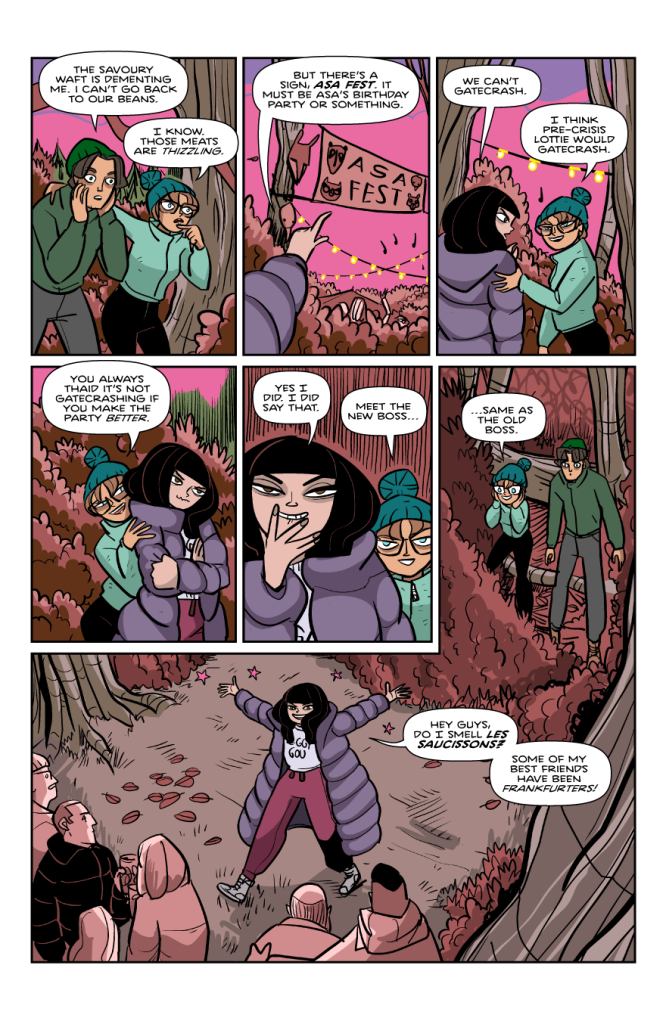
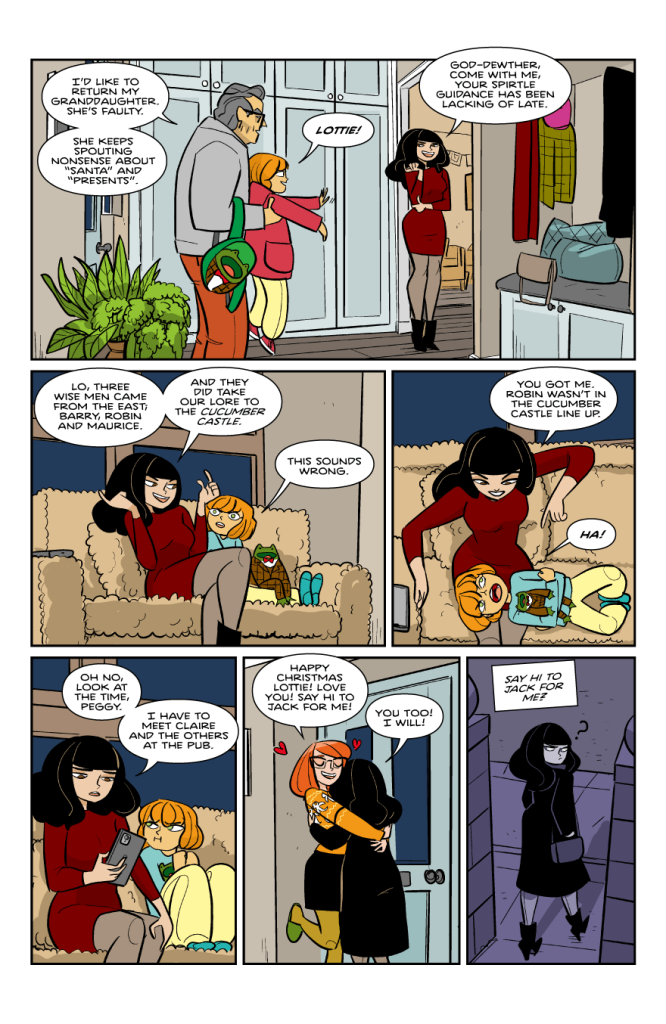
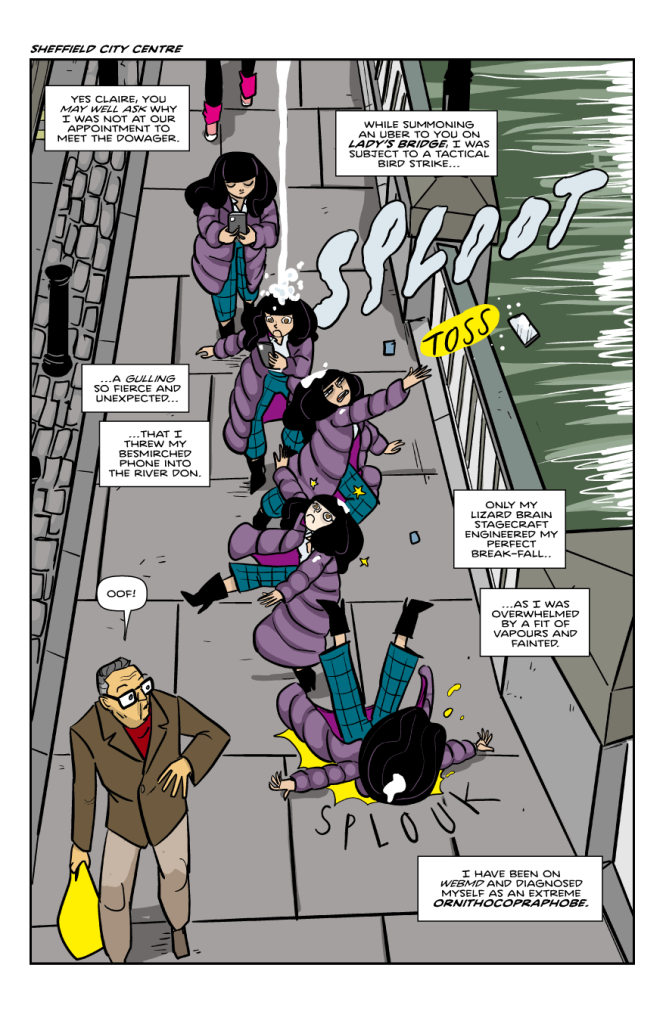
Our thanks to Kate for sharing with us her list of influences and those she admires along with such detailed notes about each artist. You can follow Kate on the following social media platforms: Bluesky, Instagram, and Patreon.
Comments 6
Comments are closed.