French Presidential Candidate Accused of Racist Tropes in Comic Book Bio
Skip to comments
In an effort to promote himself, French National Assembly member and 2027 candidate for President François Ruffin, published a comic book earlier this month but it has come under attack by critics and former allies calling it “uninhibited racism.”
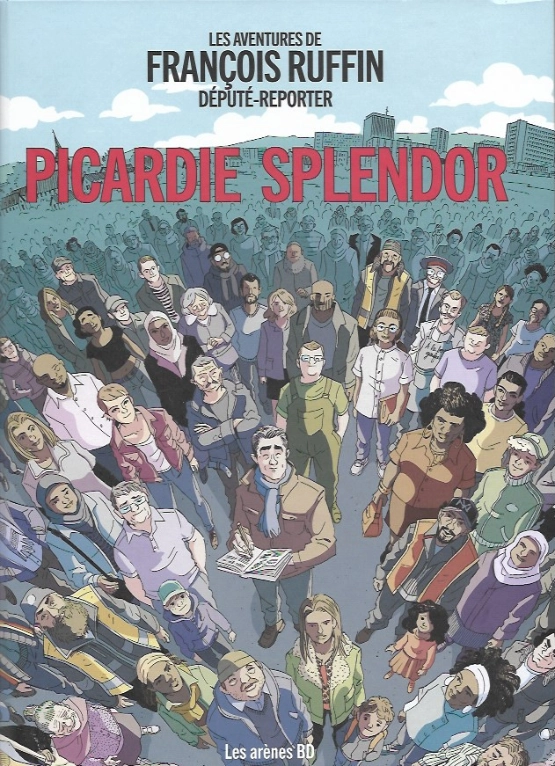
From le HuffPost, translated via Google Translate we get a description of the troubling storyline.
In one of these clips, [Ruffin] appears on a train alongside a Black passenger who refuses to pay a fine being issued to her by two police officers. She explains that her ticket is valid and that if there is any error, it lies with the employee who sold her the seat. François Ruffin then decides to pay the fine himself, and asks a fellow passenger—a man of North African descent who had come to the woman’s defense—to “respect the police.”
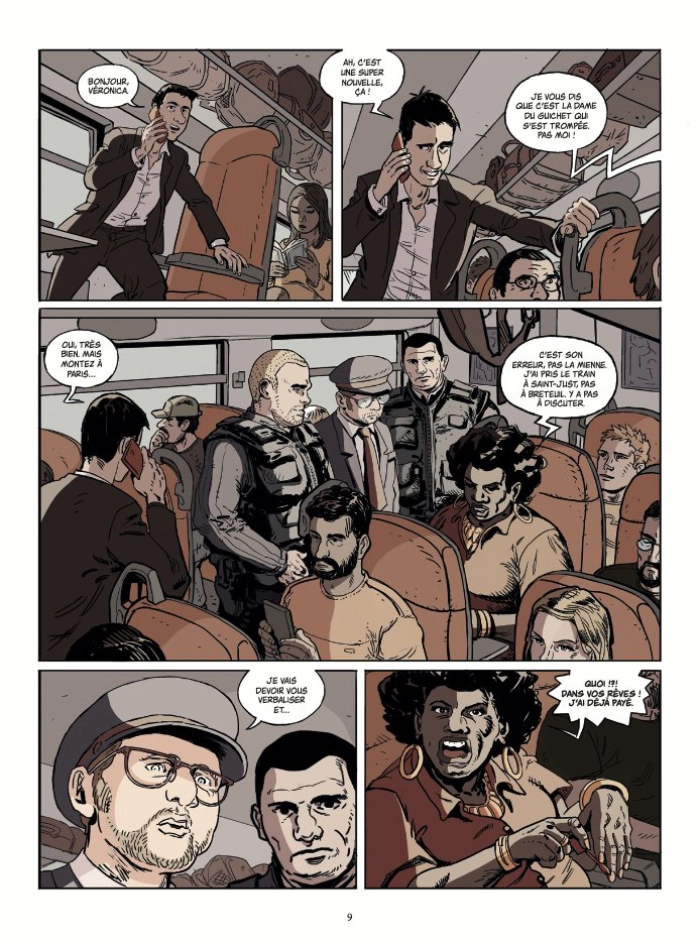
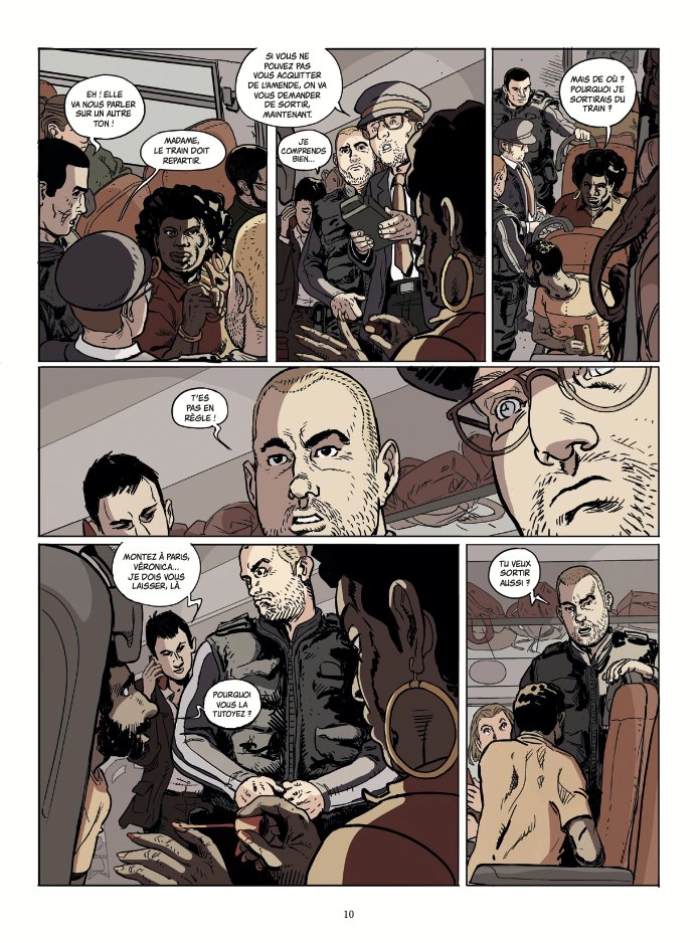
But critics, including one of the passengers, Félix, the “North African” character, depicted in the story say the recounting evokes a white savior trope that does not square with the actual events. Here’s the dubbed transcript of Felix’s account that was posted by Mizane TV.
And what is the objective behind it? That is precisely why I am interested in speaking out: what is the benefit—for this particular politician, and for politicians in general—in distorting reality? The distortion is glaringly obvious. All you have to do is look at the comic strip—look at my face, look at the account I provide, and then look at his version. In one version, a white hero steps in to resolve a conflict between white police officers and people of color—specifically, an Arab man and a Black woman. In my version, it is a French citizen who steps in to assist a Black woman—who, admittedly, does not speak French very well—in the face of an abuse of authority, while a politician who happens to be present tries to stick his nose into the situation. So, why? Why this distortion? That is the question I find myself asking.
The bande dessinée (comic book), Picardie Splendor: the adventures of François Ruffin, Député-Reporter runs 104 pages and is a collaborative work with 14 artists and co-written by Laurent Galandon.
Responding to the criticism, Ruffins says,
“My brand of anti-racism is somewhat stamped with the 90s—the ‘Blacks, Whites, and North Africans’ era—and that undoubtedly permeates the comic. I am aware of this; I engage in dialogue with researchers and activists, and we discuss it. Does that make me a racist? No. On the contrary, that is the very message of the comic: among the fractures that need to be healed in our country are economic insecurity, anxiety about the future, and, of course, racism.

Comments
Comments are closed.