Alt-Weeklies “Alive and Well”
Skip to comments
We all know newspapers have seen better days. As Alex Hallatt notes in her latest “Cartooning in the Age of AI” installment at her Illustrated Epistle Substack cartoonists “need multiple sources of income” not least because:
Surviving newspaper websites and are losing views to AI searches (which show newspaper content without the reader needing to click through). The writing has been on the wall for decades, but now it is in big, block letters (probably in Comic Sans)

But wait, are they?
In the nineties, alt-weeklies were practically printing money. Then, in the early aughts, Craigslist appeared, and revenue from classified ads vanished. As the larger industry suffered losses from digital media, the great recession of 2008, and the 2020 pandemic, so too did the alts. Many of them lost their independence and passed from owner to owner, growing thinner and thinner, until they were finally put to bed. Rest in power, Boston Phoenix (d. 2013), San Francisco Bay Guardian (d. 2014), Philadelphia City Paper (d. 2015), Baltimore City Paper (d. 2017), Minneapolis City Pages (d. 2020), and St. Louis Riverfront Times (d. 2024).
The Village Voice, the first and most famous alternative weekly newspaper, met its demise in September 2017.
Okay that doesn’t sound like an optimistic read on the future fate of alternative weeklies, but Aimee Levitt at the Columbia Journalism Review reports there are bright spots at alternative weeklies as there is in the mainstream.
When the Voice passed, what felt like an entire generation of writers who’d started their careers honing their voice at alt-weeklies produced obituaries for the entire genre. (And, possibly, their youth.) But in many places around the country, like Cincinnati, Little Rock, Salt Lake City, and dozens of other cities and towns, the alts have survived.
“There’s a lazy and incorrect narrative out there that alt-weeklies are dying,” says Jimmy Boegle, the president of AAN Publishers (formerly the Association of Alternative Newsweeklies) and also the publisher of the Reno News & Review and the Coachella Valley Independent in Palm Springs, California.
Back in the day the papers weren’t “alternative” they were “underground.” And they weren’t just in the USA.
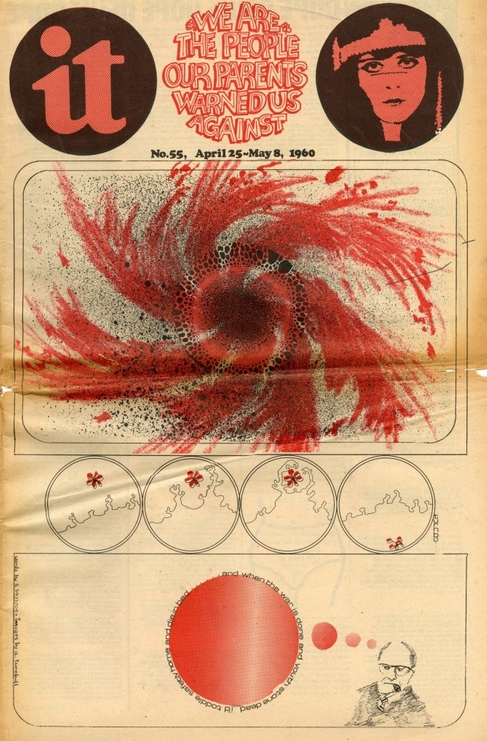
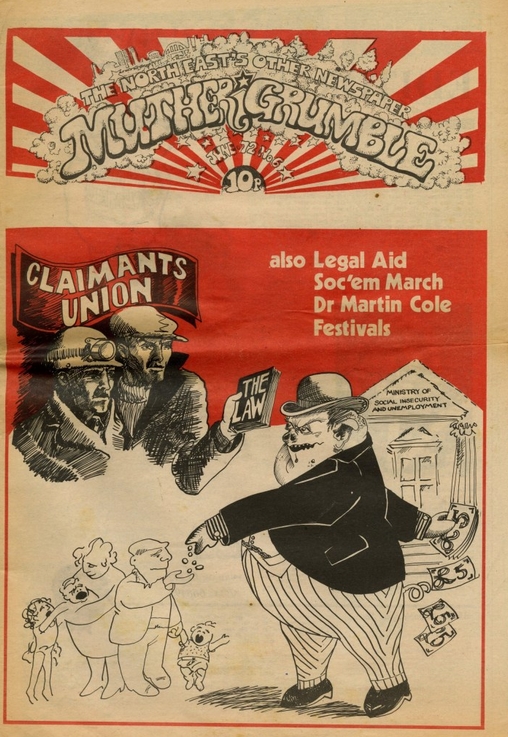
England was the epicenter of cool during the ’60s, not only because the Beatles and Stones spawned some of the great music and fashion innovations of the era, but also due to the wellspring of underground newspapers there. Working at undergrounds gave me access to periodicals from all over the world. IT (International Times) and Oz where the two most influential for their design and content. Muther Grumble was one of the many others that filled mailboxes.
Steven Heller takes a brief look at England’s ug newspapers and associated graphics (Varning För Snusk!*).
*h/t: Mark Jackson


Comments 1
Comments are closed.