Wayback Weekend Wonders
Skip to comments
Rea Irvin’s The Smythes; F. Opper, R. & G. Dirks and J. Swinnerton jam; the Leffingwells’ Little Joe; McDonnell’s Mutts and Schulz’s Peanuts; and Jimmy Stewart, Marlene Dietrich and Flash Gordon makes some three.
Rea Irvin was The New Yorker’s first art editor and creator of the magazine’s iconic mascot, the butterfly enthusiast Eustace Tilly. In 1930, he ventured into new territory with the comic strip The Smythes. The Smythes—comprised of John, Margie, and their two forgettable children, Willie and Maudie—are a niceish suburban family, restless in their social stature, and eager to climb a sometimes wobbly social ladder (a ladder made even wobblier by the Great Depression).
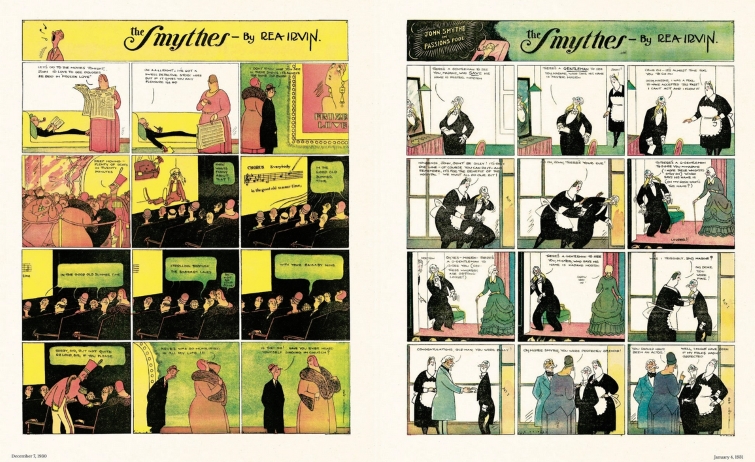
In time for Christmas 2025 is a hardcover collection of Rea Irvin’s The Smythes, a Sunday comic strip that ran from June 1930 to October 1936. At 168 pages the book is a selection of the more than 300 strips that ran during that time. (A ‘Best Of’ selection volume one?)
Publisher New York Review Books offers a dozen of the strips from the book.
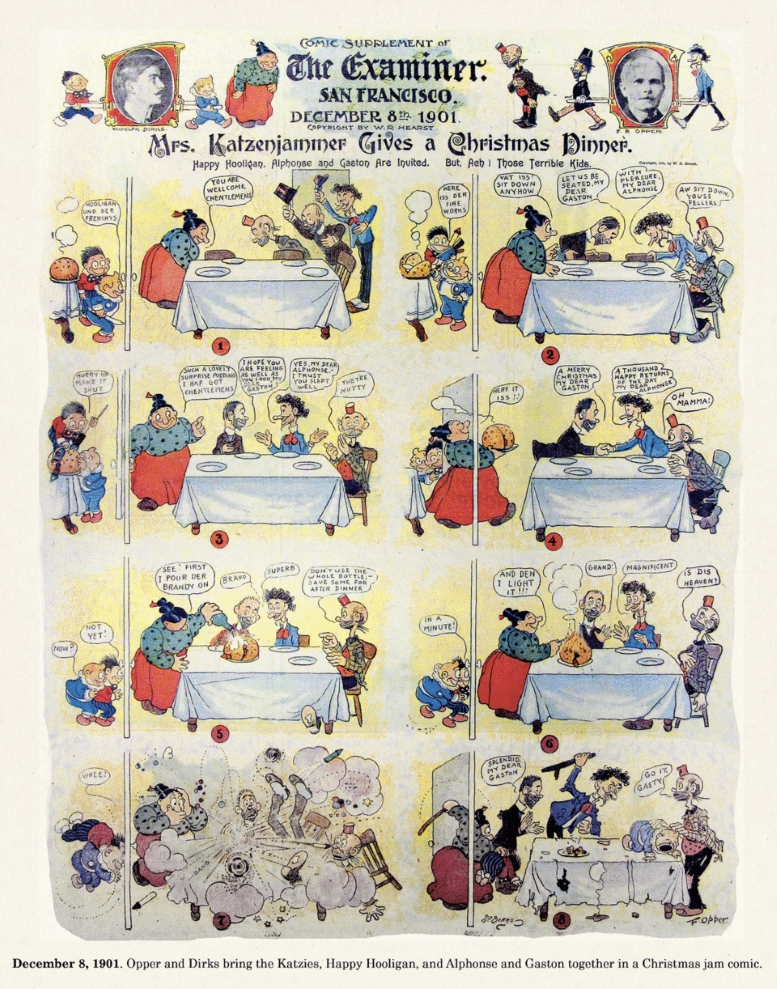
I would like to see current cartoonists “jam” with their compatriots on some modern Sunday strips like the Hearst bullpen cartoonists did back in the day. I don’t mean the occasional guest artist like Jay Fosgit on Luann or Bill Watterson on Pearls Before Swine (close but no cigar), but honest to goodness script and art collaborations.
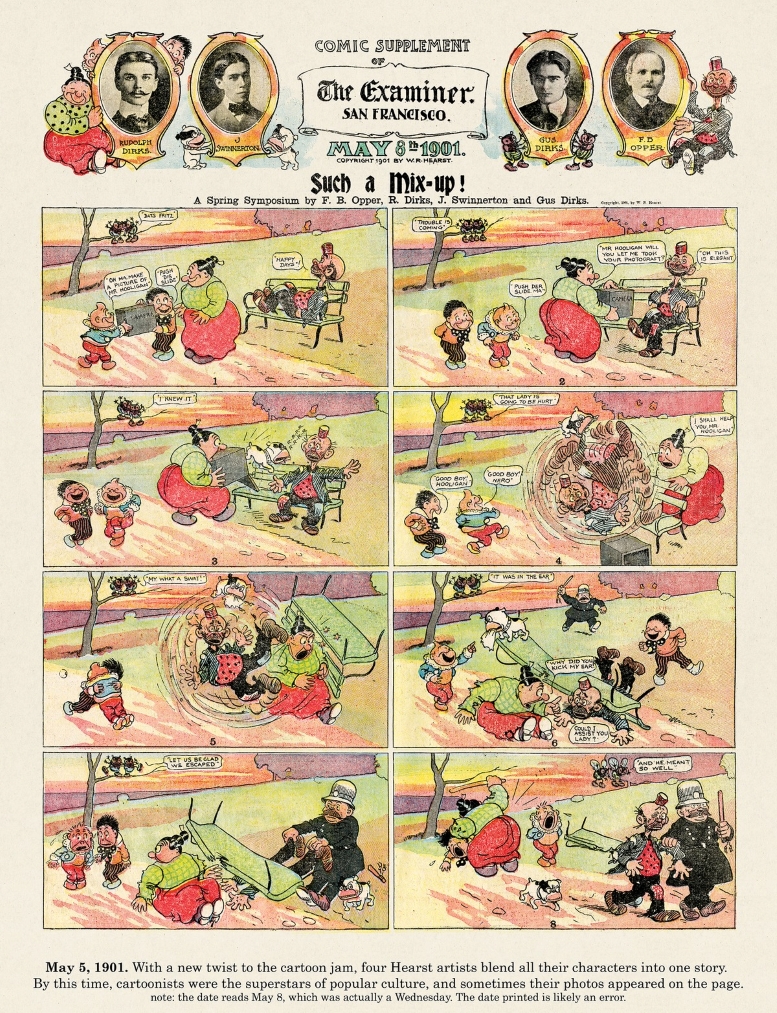
Such early comic jams are sprinkled throughout Peter Maresca’s Origins of the Sunday Comics.
Beginning as early as the 1930s, the popularity of western comics was on the rise. These comics typically featured scripts about cowboys, gunfighters, lawmen, bounty hunters, outlaws and Native Americans
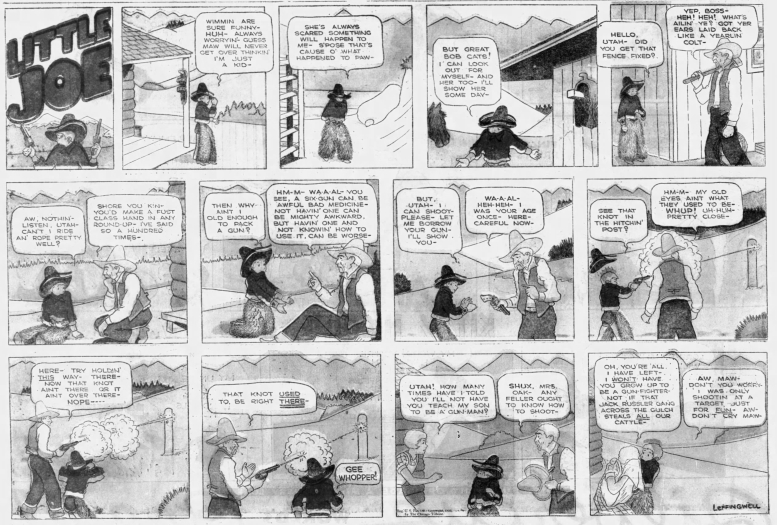
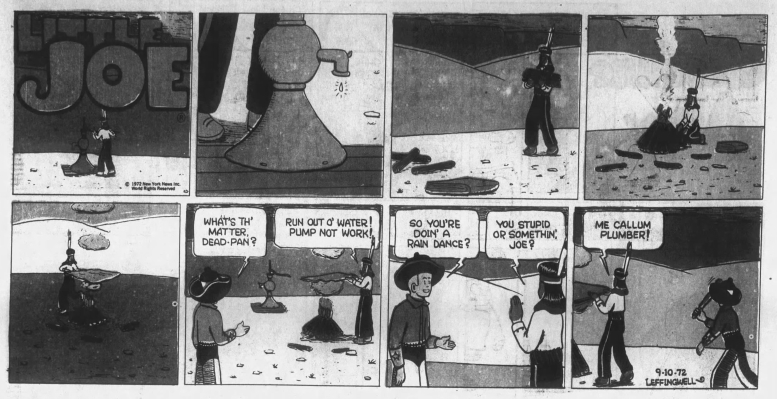
Little Joe, created by Ed Leffingwell, debuted in the Chicago Tribune Syndicate on October 1, 1933. The Sunday strip followed the misadventures of the 13-year-old Joe Oak.
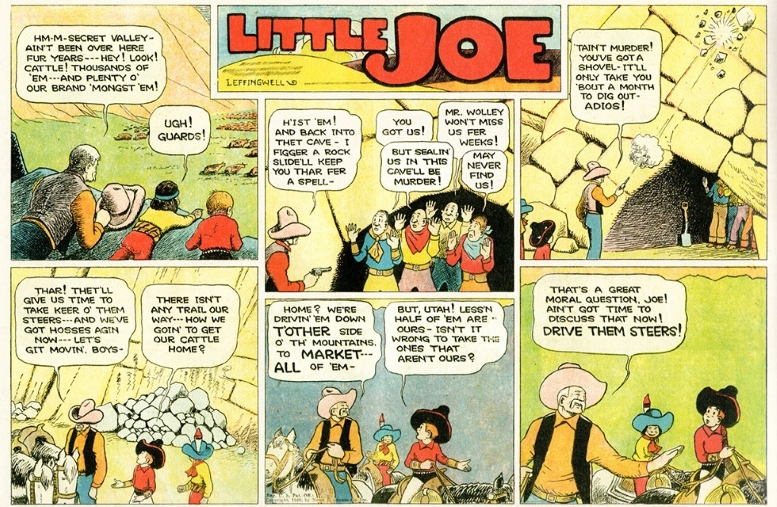
Overstreet Access has a brief (very brief) spotlight on Little Joe Oak without mentioning Harold Gray.
Ed Leffingwell worked on Little Joe for three years, but following his death in 1936, his brother Robert stepped in to continue the strip. Little Joe ran for four decades, until its conclusion in 1974[sic].
Below we present a Little Joe First and Last(?) by Ed Leffingwell and Bob Leffingwell.
The Flash Gordon/Jimmy Stewart/Marlene Dietrich ménage à trois.
In 1939, one of Hollywood’s most alluring sex symbols, Marlene Dietrich, supposedly seduced James Stewart in one of the kookiest ways imaginable: by weaponising his love of comic strip hero Flash Gordon.
According to [Destry Rides Again] co-star Burgess Meredith (who later became his own geek idol when he played The Penguin in the campy Batman ‘60s TV series), “Dietrich wanted Jim as soon as she saw him.”
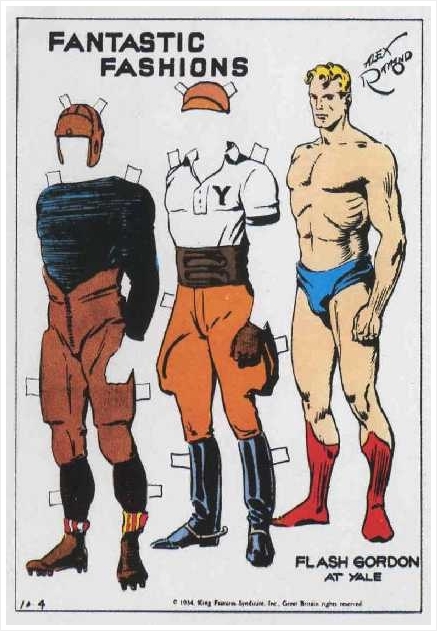
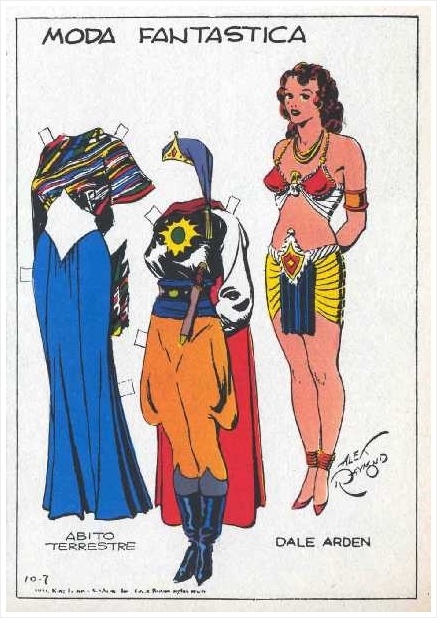
Michael Gordon at Far Out relates how Marlene Dietrich seduced Jimmy Stewart.
“One day Jim was in his dressing room and she locked him in and told him she was coming back with a surprise,” Meredith claimed. “She had found out that Jim loved reading comic books, and he liked Flash Gordon.”
This morsel of information supposedly gave Dietrich the idea to rubber-stamp her seduction with “a life-size doll” of Gordon, in his classic red costume, made by “the props department.”

to Ominous Octopus for the Alex Raymond paper doll images
Different Kind of Love Affair.
This month we’re celebrating the 31st anniversary of MUTTS. (Yesh!) And this fall, Peanuts celebrates its 75th anniversary with the stunning new book The Essential Peanuts — an incredibly beautiful, definitive collection from Abrams ComicArts.
We’re thrilled to share that Patrick McDonnell wrote the introduction to this landmark edition, which will be released on October 7 (available now for preorder at Amazon, Bookshop.org, and other retailers).
Ali Datko at Mutts Comics tells of Patrick McDonnell‘s reverence for Charles M. Schulz and Peanuts.
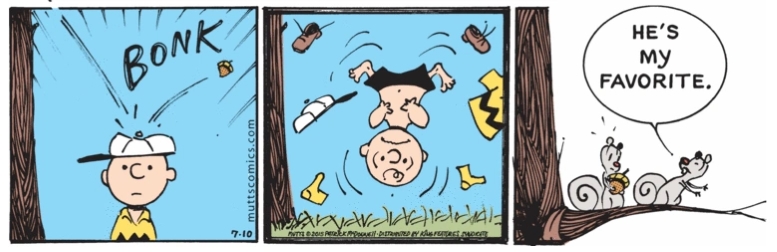
Over the years, Patrick has drawn Snoopy, as well as other Peanuts characters, into his MUTTS comic strip. In fact, Peanuts Fandom even has a MUTTS dedicated page collecting these affectionate tributes to Schulz’s work! It’s one of the many ways Patrick has celebrated his artistic hero and friend, and a reminder of how the stories and characters we love can live on forever, keeping us company for a lifetime.

Comments 2
Comments are closed.