20 Years After the Danish Cartoon Affair
Skip to comments
How the West failed the test of the Danish cartoons controversy
On 30 September 2005, 12 cartoons appeared in the Danish newspaper, Jyllands-Posten, under the headline, ‘The face of Muhammad’.
They were commissioned in response to reports that Danish children’s author Kare Bluitgen had been unable to find an illustrator for a book about Muhammad. It wasn’t hard to guess why. A rising tide of sometimes vicious Islamic intolerance had fomented an increasingly fearful, self-censoring climate throughout Europe.
The initial reaction in Denmark was muted. But in the months that followed, it turned into a full-blown international crisis. Jyllands-Posten staff and the cartoonists were subject to countless death threats – and later actual attempts on their lives.
How did this happen? How did a handful of cartoons sequestered away in the culture section of a newspaper that few outside of Denmark had heard of lead to a global conflagration and hundreds of deaths?
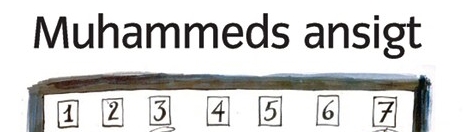
Tim Black for Spiked reports that twenty years after the Jyllands-Posten Faces of Mohammad cartoons “Europe has embraced Islamic blasphemy codes and abandoned free speech.”
[I]n December 2023, the Danish government established a new blasphemy law. Known informally as the Koran law, it prohibited the desecration of religious texts – but everyone knew which particular text the authorities were thinking of.
It shows that we live in a world shaped by the forces that fuelled the Muhammad cartoons controversy. A world in which too many think censorship is necessary to maintain social cohesion.
Europe Learned Nothing From the Danish Cartoon Affair
Growing up in Denmark in the early 2000s, I rarely worried about my right to free speech. In this cozy haven of liberal values and secular democracy, speaking freely felt as natural as breathing. Few contested this state of affairs, least of all religious groups, whose influence had long since faded.
That outlook changed twenty years ago today. On September 30, 2005, the Danish newspaper Jyllands-Posten published an editorial titled “The Face of Muhammad,” accompanied by 12 cartoons, some of which depicted the Prophet Muhammad. The publication set off a global firestorm and turned criticism of Islam into a minefield that remains deadly to traverse even in open societies. And rather than defending the principle at stake, European democracies are increasingly choosing appeasement—trading away free speech for the promise of a precarious peace.
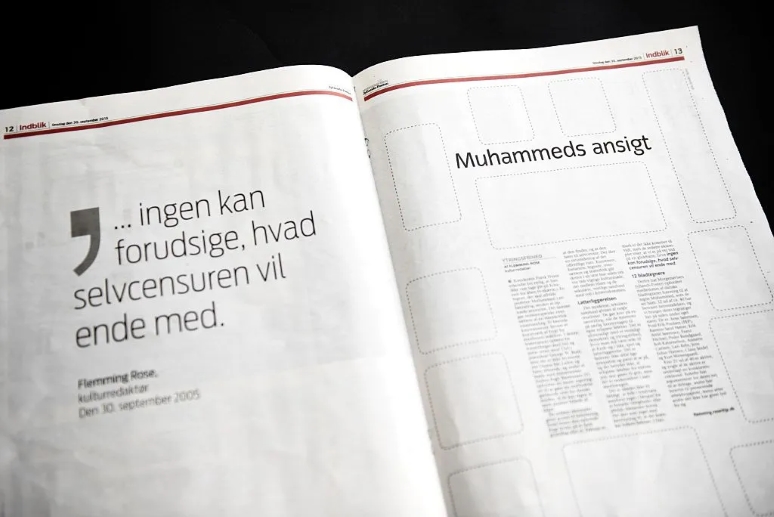
Jacob Mchangama for Persuasion writes that 20 years later, blasphemy laws continue to stalk free societies.
Europe’s legal regression is based on the assumption that in diverse societies free speech must be curtailed to avoid offense and preserve social harmony. But no amount of sugar coating with appeals to “tolerance” and “respect” can hide the bitter truth that fear of intimidation and violence are the real driving factors.
In this new climate, violence is not merely a threat—it has become a strategic tool to reverse the hard-won freedoms that once unshackled the human mind from state-imposed religious diktats. The lesson is stark. When democratic governments criminalize peaceful expression, they do the work of extremists for them—and still fail to stop the violence.

Comments
Comments are closed.