Your Comics Collection, A.D.
Skip to comments
In this case “A.D.” stands for After Death.

So you have shelves full of hardcover and softcover collections of comic strips and comic books. For whoever is left to empty the house those will probably be donated to the local library for tax deductions or taken to the local used book store in trade for a pittance of what they are worth.
But what about those long boxes of “floppies” – those 36-page comic books that sold for 10¢, 12¢, 15¢, 20¢, 25¢ and so on? Are the inheritors really going to look into what each individual comic book is worth? Probably not. They’ll probably sell them en masse to a comic book dealer, trusting that they’ll get a reasonable wholesale price for them.
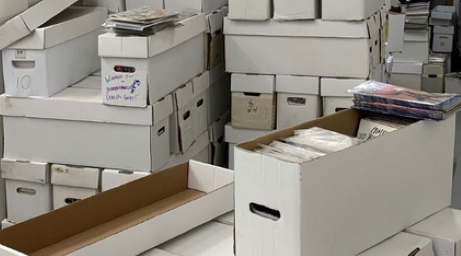
Abdullah Jamil at NerdBot explains why “Your Comic Longboxes Are an Estate Problem Waiting to Happen” and what you should do (ha, ha) to get the collection in order for the family A.D.
Your Silver Age keys, your graded slabs, your sealed Magic packs, your original animation cels, that shelf of first-print hardcovers. Those aren’t hobbies to the people who inherit them. They’re assets. And assets without a plan tend to become arguments.
Most collectors know the rough market value of their own stuff. Spouses and kids usually don’t. To an outside eye, a wall of longboxes looks like clutter. A run of graded books looks like plastic bricks. A binder of holographic cards looks like something a kid could have put together on a rainy afternoon.
That mismatch is where the trouble starts. A single high-grade key issue can be worth more than a used car. A well-curated Silver Age run can outpace a retirement account contribution.
My kids know that there are some valuable collectibles in my collection and one daughter-in-law will have fun researching and selling the floppies. The problem is there was no rhyme or reason when I was stuffing the comic books in long and short boxes. They’re going to need to clear a room to sort and alphabetize it all, a chore that will take weeks.
And what about all those Sunday color comic supplements? Donation to The Library of Congress?
On a somewhat related note…
Gerelyn Terzo at 24/7 Wall St. tells of a comic shop owner on social security.
“He Sold a 30-Year-Old Comic at Comic-Con for $50,000. Social Security Counted the Profit as Work.”
Quick Read
- Comic shop inventory sold for profit counts as business income under Social Security’s earnings test, not a capital gain exempt from withholding.
- In 2026, early [emphasis added] Social Security claimants lose $1 in benefits for every $2 earned above $24,480, potentially forfeiting thousands from one large sale.
- Inventory gains must be reported in the year of sale and cannot be spread across multiple years using installment payments to soften the impact.
Feature image from Walter Durajlija.


Comments 5
Comments are closed.