Miss Cellany’s Miscellanea; or, Clearing the Queues
Skip to comments
American-born comic writer now a Member of the British Empire, Mutt and Jeff the animated classics restored, Lynd Ward award winner talks cartooning, and a first and last look at a put-upon English pop.
American-Born Comic Strip Writer Appointed a Member of the Most Excellent Order of the British Empire

Judge Dredd co-creator and comic strip and comic book writer John Wagner has been awarded an MBE.
From Rich Johnston at Bleeding Cool Comics:
John Wagner, best known as the co-creator of Judge Dredd and the longest writer on 2000 AD, has been appointed a Member of the Most Excellent Order of the British Empire, otherwise known as an MBE, in King Charles III’s Birthday Honours for 2026. The honour recognises his outstanding contributions to British comic books and the comic book industry. Charles confessed to having read the Eagle comic book regularly as a child, very much a precursor to 2000AD. Wagner also wrote for Action, the weekly kids comic book that was condemned in Parliament…
John Wagner, who turns 77 in July 2026, was born John Alexander Wagner in Pennsylvania in 1949.
The Animated Cartoons of a Classic Comic Strip Duo Restored
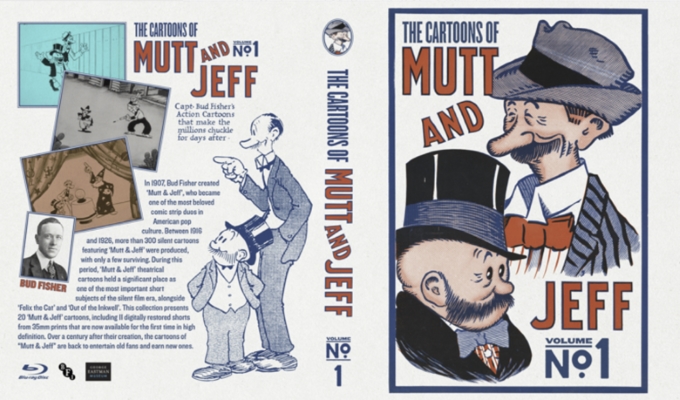
Between 1913 and 1926, Fisher cranked out a remarkable 300 [Mutt and Jeff] shorts.
Yeah, Bud Fisher took complete credit for the cartoons created during the 19-Teens and 19-Twenties just as he did for the Mutt and Jeff comic strips that were ghosted during those years.
The San Diego Reader reports on the efforts to find and restore those animated shorts.
Mauricio Alvarado and Brandon Adams, the impassioned production partners behind the Mutt & Jeff project, both had the same response when asked why they chose to devote their time and effort to the ridiculously obscure cartoon duo. As Alvarado put it, “I vaguely remembered the characters from old public domain tapes, with their re-colorized episodes included. But it wasn’t until I saw a couple of the original silent shorts that I realized how funny they were.”
Between 1913 and 1926, Fisher cranked out a remarkable 300 shorts; each of which ran between four and seven minutes. The earliest of these, complete with speech balloons, were basically animated comic strips. Watching them in chronological order, the viewer can witness the birth and development of silent cartoons, from barebones drawings and strictly lateral movement to smoother, more polished imagery that began experimenting with depth of field.
Lynd Ward Graphic Novel Prize Winning Cartoonist And Educator Discusses Comics

Ellie Gilbert-Bair for Chicago’s South Side Weekly provides a short interview with cartoonist Beth Hetland.
… So, [artists] were figuring out ways to tell a story: the text becomes the verbal “reading,” and the imagery finds key moments to move through, so [viewers can follow along].
There are completely wordless comics that get a message across. There are Lynd Ward’s woodblock novels, published between 1929 and 1937. He wasn’t calling them comics at the time, but they were early iterations of the graphic novel, and communicated important labor movement messages.
Since the early 1960s, we’ve seen a rise in underground comics as a reaction to major publishers having to deal with the Comics Code of 1954.
Wayback Weekend: Origins of an English Pop – A First and Last Installment
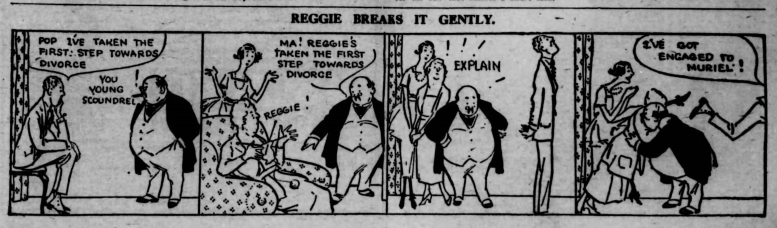
John Freeman at downthetubes takes a look at J. Millar Watt’s Pop comic strip.
Artist Louise Millar Watt publishes a marvellous website devoted to her illustrious cartoonist and artist grandfather, John Millar Watt, celebrated for his ground breaking Daily Sketch newspaper strip “Pop”
Watt’s strip was one of the few British strips to be successfully syndicated across the British Commonwealth and in the United States, and was considered so important to national morale during World War Two that Millar Watt was rejected for war work and instead drew “POP”, now tin-hatted in the Home Guard.
According to Allan Holtz the comic strip appeared in U.S. newspapers from 1929-1950.
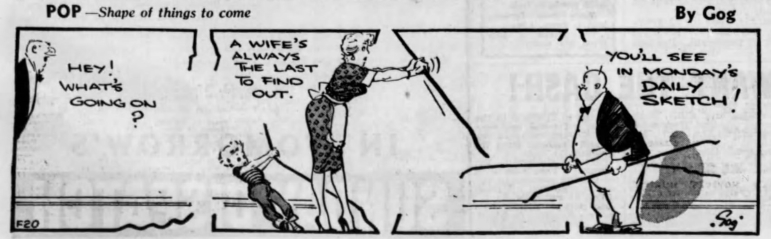
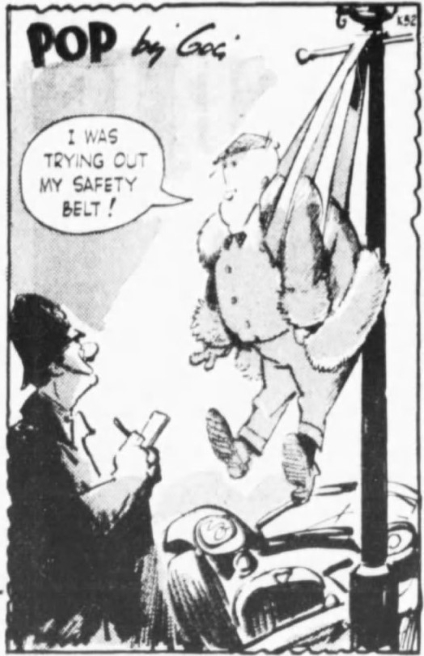
In 1960 the comic would switch from strip to panel.
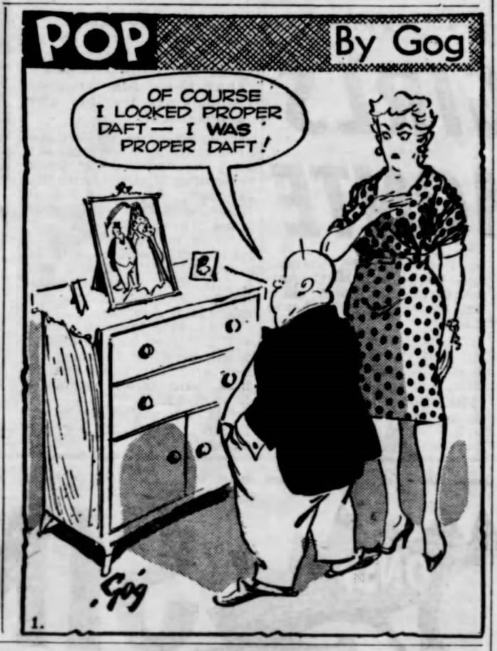
Watt continued to draw “Pop” until 1949, leaving to concentrate on more lucrative advertising and illustration work. The strip was taken over by Gordon Adam Hogg, and continued, according to research by Paul Hudson for his A to Z of British Newspaper Strips, until the early 1960s (not 1971, as some sources claim).
Comments
Comments are closed.