A Few Comics Lists
Skip to comments
Oxymoron: Death in the Funnies; Retro Comic Strips that Kept Us Returning to the Funny Pages; and Comics Related Etymology.
Jessica Plummer for Book Riot lists The 10 Saddest Comics Deaths Ever.
Be forewarned this is about deaths in superhero comic books so don’t expect Mary Gold or Raven Sherman or Andy Lippincott to appear on the list. But she does make one surprising exception.
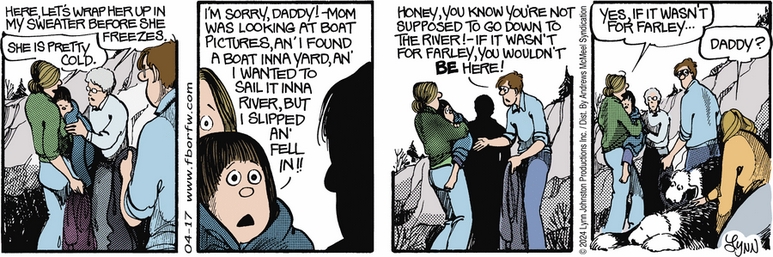
Okay, I’m cheating a little because this isn’t a superhero comic, but it’s my list, and I can do what I want. The long-running newspaper strip For Better or For Worse by Lynn Johnston told the story of the Pattersons, an ordinary Canadian family. Unlike most comics strips, the characters in For Better or For Worse aged in real time over the course of the 29-year run. That meant that by 1995, their sheepdog, Farley, was pretty old.
I don’t think I need to explain why this one is sad. You can read the whole storyline on the official FBOFW website with Johnston’s commentary, but be warned—rereading it to research this article absolutely had me weeping at my keyboard.
Adam Garcia at Go2Tutors notes Retro Comic Strips We Followed Eagerly.
The strips listed (half no longer produced, half still going) are a roundup of mostly the usual suspects with a surprise or two, but don’t expect to see Pogo, Tumbleweeds, or adventure strips like Prince Valiant.
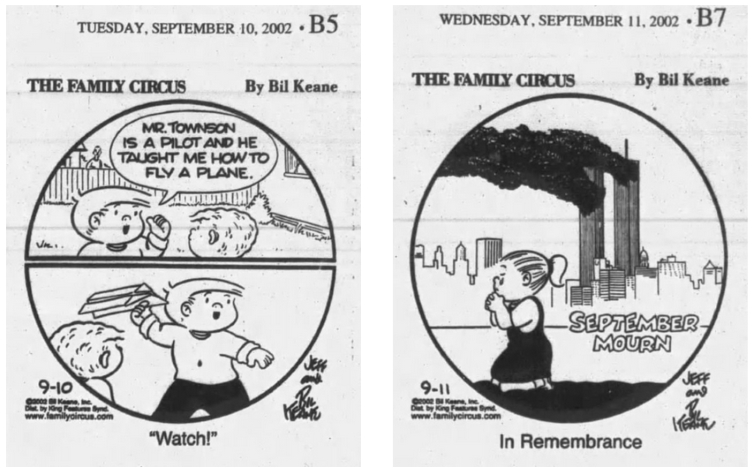
It didn’t matter how old you were. The comics page was its own little world — a few square inches of ink that somehow felt more real than most of the news around it.
Some of those strips ran for decades, and the characters became as familiar as neighbors. Here are the ones that kept readers coming back, day after day.
Colleen Kilday at Stacker presents 20 words introduced or popularized by cartoons.
Words created in comic strips only make up half, the rest are from animated cartoons. I can’t guarantee the accuracy but she seems to have done her homework. Featuring TAD Dorgan, J. R. Williams, E. C. Segar, Bill Mauldin, George McManus, among other comic book and animated cartoon creators.
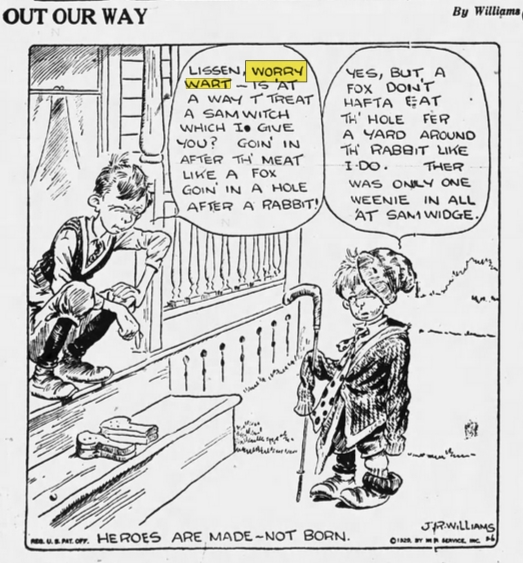
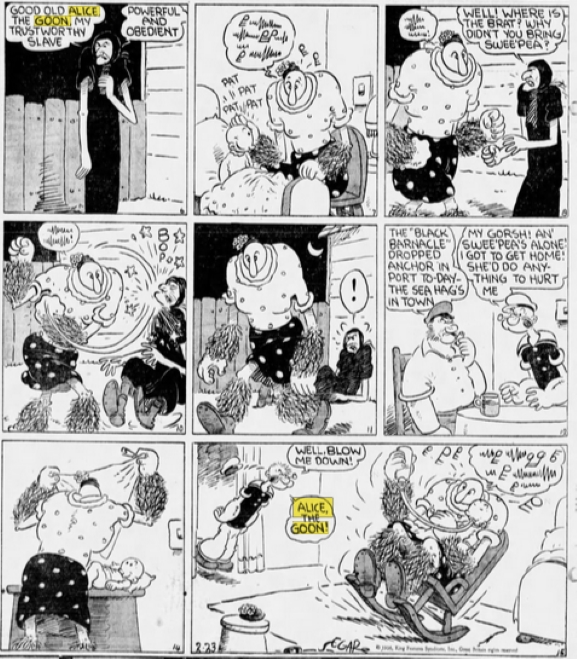
Cartoons, in particular, tend to introduce original, relevant language, as the art form spans political cartoons, animated films, TV, and more. Many parodies or references to existing political phenomena enter the history books, like McCarthyism; others become popular interjections or exclamations, like Homer Simpson’s infamous, exasperated “D’oh.” Still, some, like Superman’s “kryptonite,” have transcended the fictional bounds of their creators and taken on new meanings.


Comments 5
Comments are closed.