CSotD: Symbols and shares
Skip to comments
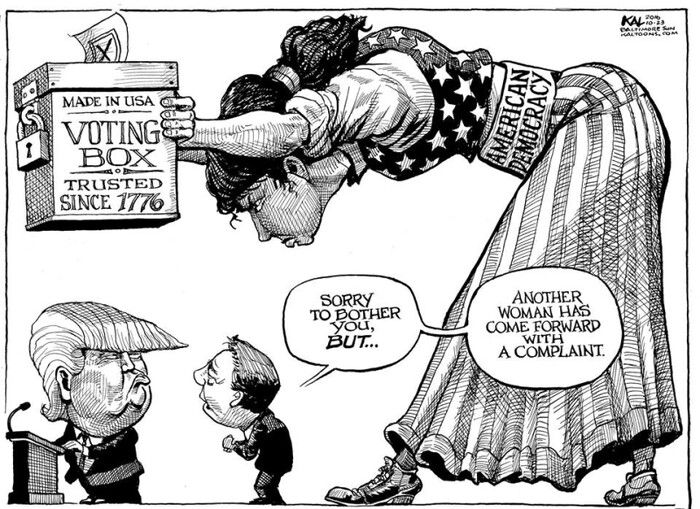
We had a little discussion of national symbols the other day, the overuse of Justice and the Statue of Liberty, plus Nast's use of Columbia. Now comes Kal Kallaugher with an unnamed American woman whom I really like and readily accept despite having no idea who she is.
Maybe Kal doesn't either. You don't have to dredge up a particular person or statue or icon if you have a clear vision of your intent, nor will any established symbol save you if your vision is vague.
I don't know who she is, but it's pretty clear why she's here.
Mind you, women didn't get access to that ballot box until well into the national experiment, but it's wrong to think they weren't honored as national symbols, and particularly wrong to assume they weren't paying attention to the process.
The series on women's suffrage that Chris Baldwin and I did a few years ago is currently running in the kids' section I edit at the Denver Post and the chapter that runs today is about the flood of women who joined with the suffrage movement in the wake of the Civil War.
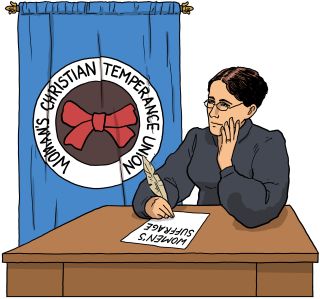 Specifically, that would include the Women's Christian Temperance Union and Frances Willard, which brought in a well-organized army of women distributed throughout the country, but, as noted in that chapter, the suffragists were also joined by social reformers like Dorothea Dix and Clara Barton and Jane Addams, by labor leaders like Kate Mullaney and Leonora Barry and by random women like Josephine Shaw Lowell and Nellie Bly who just weren't going to take it any more.
I don't know how you symbolize all those voices, or if you need to differentiate their feminist voices from the general call to protect and honor the democratic system, but I like what Kal has drawn.
Everybody has a share
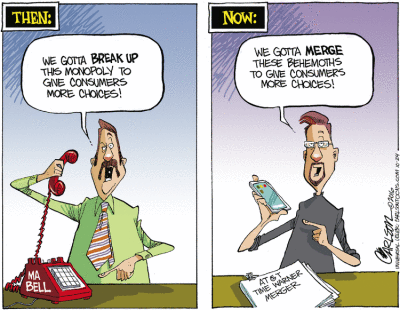
Stuart Carlson echoes something that occurred to me yesterday as I was hearing the discussion of this merger.
The justification was that people's media habits are changing, which used to mean that a company was either going to change or decline. We've seen burger joints add salads, for instance, as have pizza places, though, granted, perhaps a bit begrudgingly.
But apparently today it means we need to create a corporate garantua so that nobody at the top of the heap loses any money and I'm sure there will be bonuses all around for the brave heroes who cobble this thing together.
I remember the break-up of Ma Bell, and I remember it as a glorious day because it means I have to explain to my grandchildren how, back in the Olden Days, you had to pay a lot to talk to someone who lived far away, and, the longer you spoke, the more it cost you.
But now wherever they move to, I'll be able to tell them stories of the Olden Days, at my own pace, pretty much for free.
It would be sweet to see that kind of change come to Internet access and maybe even cable TV, wouldn't it?
I'm not holding my breath for that, but I don't think this corporate over-reach has a lot of chance of going through.
When you have a big-money, fat-cat deal so transparently bad that Donald Trump opposes it, you might as well cut your losses and find an honest way to compete in the marketplace.
Though, after all, everyone benefits from these deals, right? Right!
Kicking the little dog
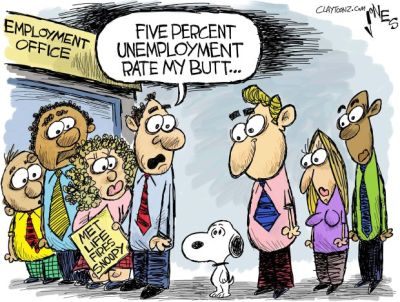
While we're on the business beat, spare a moment for poor little Snoopy, recently downsized by Met Life, as Clay Jones noted.
Okay, that's long enough. I'm inclined to agree with Sean Kleefeld, who wrote:
It's actually more surprising to me that they've kept Snoopy around as long as they have than that they're changing. Even among traditionally slow-moving corporations like insurance companies, keeping a consistent brand identity for over three decades is pretty incredible. And if their intent is to project a more future-oriented company, it makes sense to leave Snoopy behind. After all, Charles Schulz has been gone for 16 years now and, while there are technically still new comics and movies being produced, I think most people still associate the characters with either a comic strip that has been in reruns for a decade and a half and/or the holiday TV specials from the 1960s. Hardly an image of progressiveness.
I've been thinking that the Geico gekko is wearing a little thin, and impressed with how Progressive is keeping Flo fresh by simply using the commedienne in different guises, but the two of them combined don't add up to Snoopy's 31 years at Met Life where he's done little more than walk through the frame.
From the cartooning side of things, Snoopy's somewhat passive presence has been a good thing: Jeanne Schulz does good things with the money the Peanuts franchise generates, and she has been, so far, a much better guardian of the legacy than the people over at Dr. Seuss Central, who will sue anyone who dares purloin an image without paying, but, when said payment is received, will green-light all sorts of ghastly misinterpretations of the great man's work.
Anyway, like Kleefeld, I'm more surprised Snoopy had the gig this long than I am shocked that he was finally told to hit the bricks.
Hope he put some of that long green into his 401k.
In honor of the day, almost
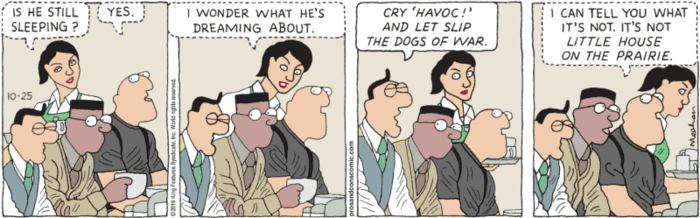
When I read Pros & Cons this morning, I thought for a moment that a Scottish cartoonist was offering a salute to St. Crispin's Day, which this is.
Wrong play: The quote is from Julius Caesar, and so I assume the timing is happenstance.
But it is a reminder, anyway, so here's your moment of semi-classical zen:
(Though when they got back to England, the Chancellor of the Exchequer
announced that there had been an error and all veterans of Agincourt
would be required to pay back their recruitment bonuses.)
Mike Peterson has posted his "Comic Strip of the Day" column every day since 2010. His opinions are his own, but we welcome comments either agreeing or in opposition.
Comments 2
Comments are closed.