Cartoonists and Comic Strips, etc.
Skip to comments
Annie Tempest, Edward Gorey, Beth Wolfensberger Singer, Glenn Fleishman, and Brian Walker.
Jackson-Stops and Annie Tempest and Tottering by Gently
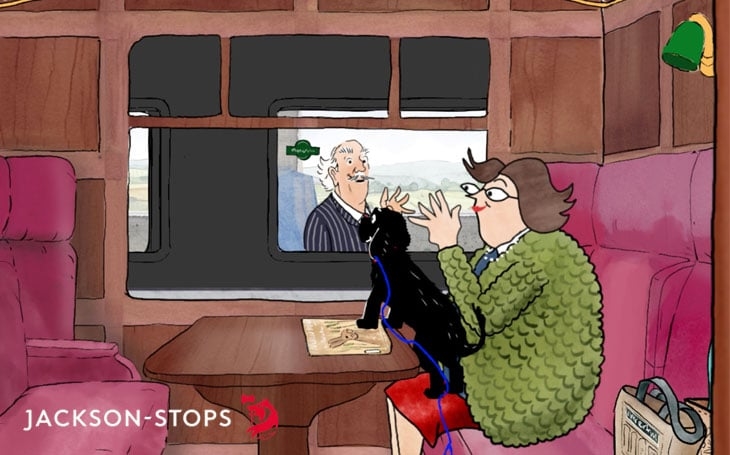
Estate agency Jackson-Stops has unveiled a new advertising campaign with the strapline “Whether country or town, Jackson-Stops is the national estate agent locals recommend” featuring an animated cartoon starring the much-loved Tottering-by-Gently characters created by Annie Tempest for Country Life.
The Negotiator reports Annie Tempest‘s British characters Dicky and Daffy Tottering from her weekly Tottering by Gently comic strip are once more featured in an animated commercial for the Jackson-Stops real estate agency.
You can see it here [along with print J-S marketing campaign cartoons featuring the Totterings].
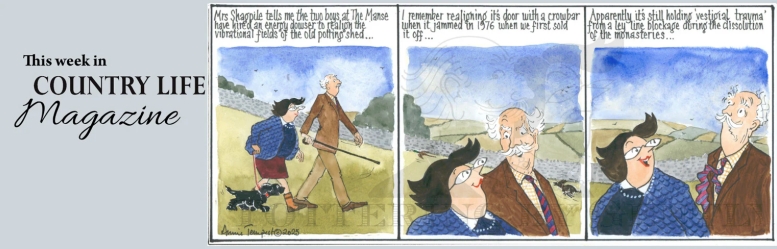
Annie Tempest is best known for her cartoon strip The Yuppies, which ran for seven years [1987-1993] in the Daily Mail. Her strip, Tottering-by-Gently, has been appearing in Country Life magazine since 1993.
As we leave Country Life let’s page through another magazine as we detour to…
The charming, macabre world of Edward Gorey
Edward Gorey, that bearded patron saint of the sad and whimsical, the strange and witty, was born in 1925 Chicago, deep in the heart of America.
But you’d swear, looking at his comic-but-disturbing illustrated books, that the man was born into a dreary British family in a shabby village called Puddlington or something.
Happily, the instantly identifiable Gorey universe — built on “The Gashlycrumb Tinies,” “The Unstrung Harp,” his Tony Award-winning costume design for “Dracula,” his animated intro for the long-running PBS show “Mystery!” — has become part of America’s background cultural fabric.
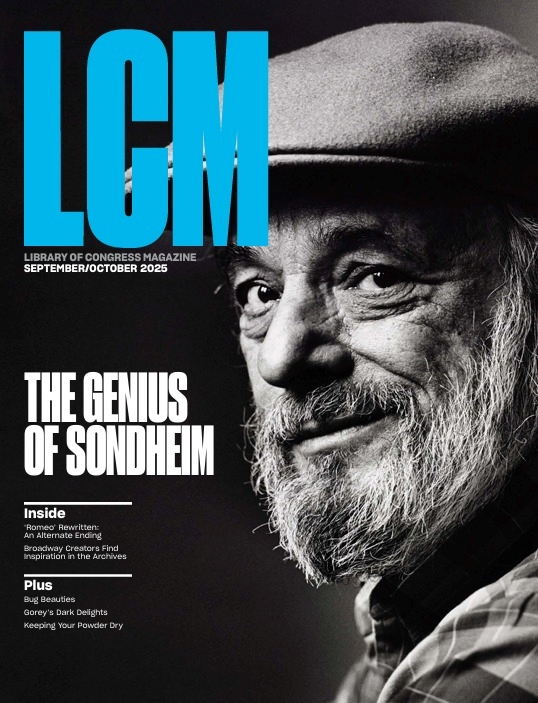
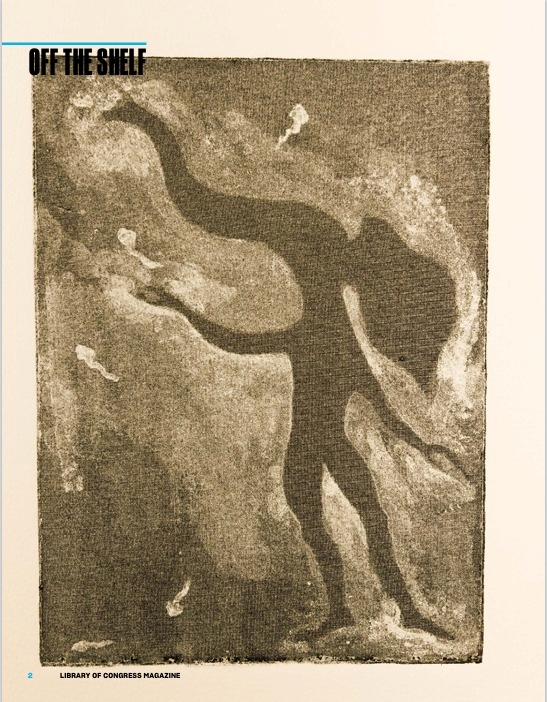
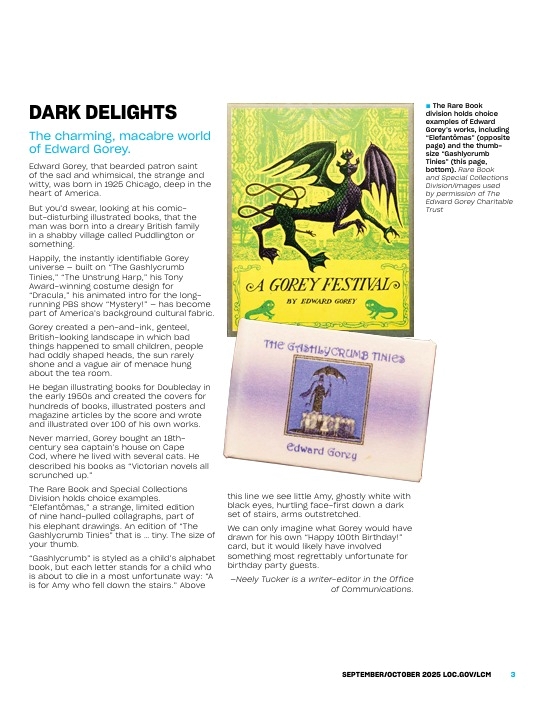
The current Library of Congress Magazine, Vol. 14 No. 5: September-October 2025, has a couple pages by Neely Tucker touting Edward Gorey works in their possession. The Library of Congress Magazine archives.
The Rare Book and Special Collections Division holds choice examples. “Elefantômas,” a strange, limited edition of nine hand-pulled collagraphs, part of his elephant drawings. An edition of “The Gashlycrumb Tinies” that is … tiny. The size of your thumb.
“Gashlycrumb” is styled as a child’s alphabet book, but each letter stands for a child who is about to die in a most unfortunate way…
Beth Wolfensberger Singer
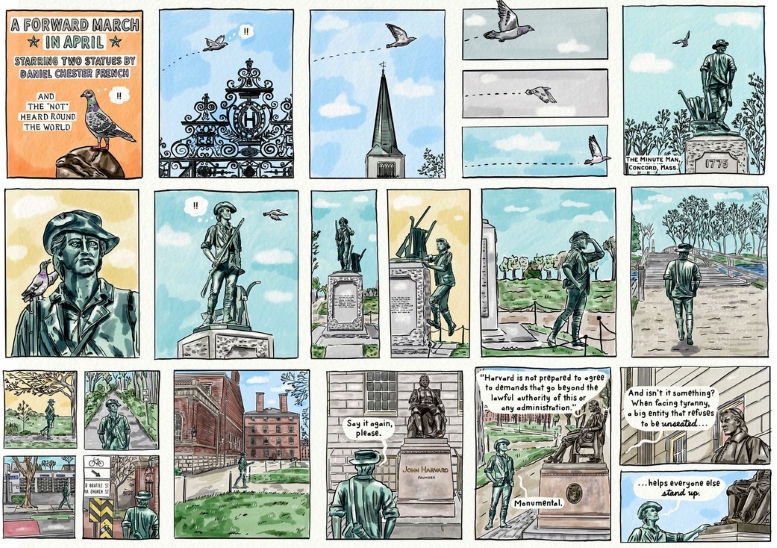
Beth Wolfensberger Singer has been a regular cartoonist for the Boston Sunday Globe Ideas section for the past 10 years. Before that, she worked as a nonfiction children’s book editor, a magazine writer, a newspaper writer, and a business reporter, at lots of places in the Boston area including Boston magazine and the BostonPhoenix.
Recently I discovered The Boston Globe comic strips of Beth Wolfensberger Singer. Thought I’d share them.
Glenn Fleishman’s HOW COMICS ARE MADE, A Review
Histories of comics, whether of a period, a company, or of a creator, are no longer a rarity. The field is not as wide as I would like it to be, but there are new books published monthly on the subject. I used to be able to keep up with the pace, but the stuff put out by the University Press of Mississippi alone is enough to tire me out. How Comics Are Made offers us something new – a mechanical history, an exploration of the physical process that makes comics strips possible. The long, and often strange, journey a strip takes from the pen/pencil/brush of the artist to appearing in the page of your local newspaper.
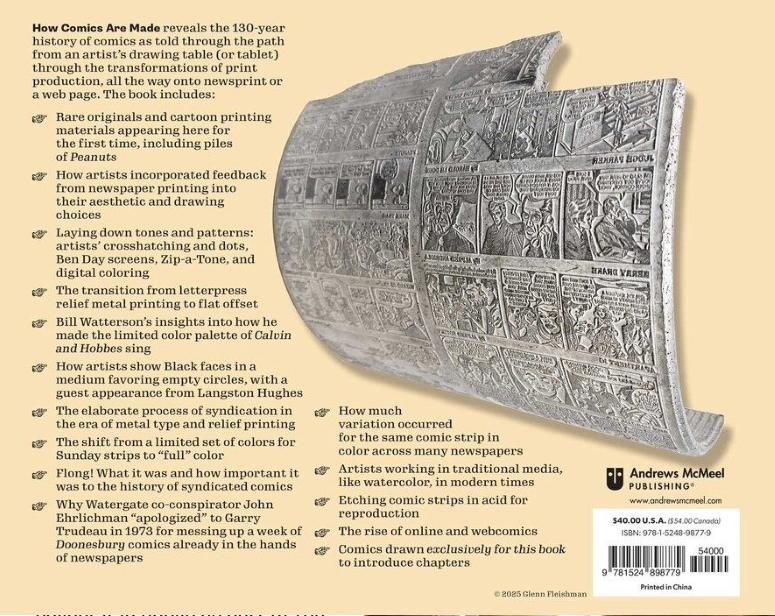
Tom Shapira at Solrad reviews How Comics Are Made by Glenn Fleishman.
This journey involves metal, zinc, flongs, presses, plates, and stereotypes (in both meanings of the term). It is a journey that widens our perception of who is ‘the maker’ of comics; I knew that before modern computers, the process theoretically involved many hands, but only after How Comics Are Made did I learn just how vital the engraver, an otherwise nameless individual, was to the reading experience of millions. As Fleishman notes several times throughout this book, through much of its history, the process of making a comics page in a newspaper was so grueling and counter-intuitive that it was nothing less than a miracle (a miracle of extremely talented craftspeople working grueling hours with no credit) that most comics pages came out legible.
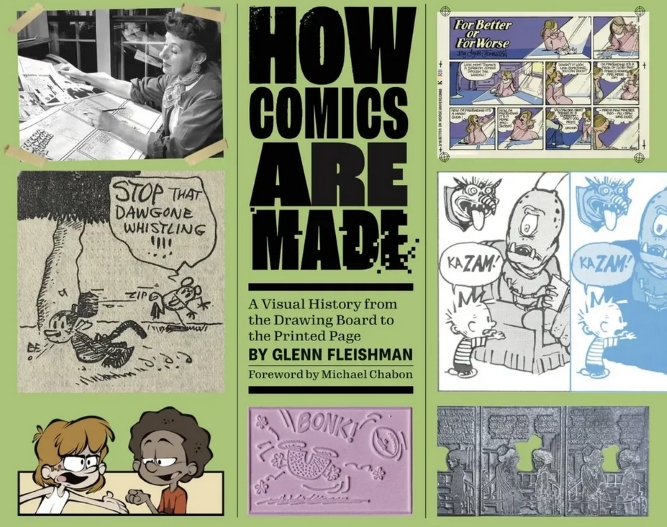
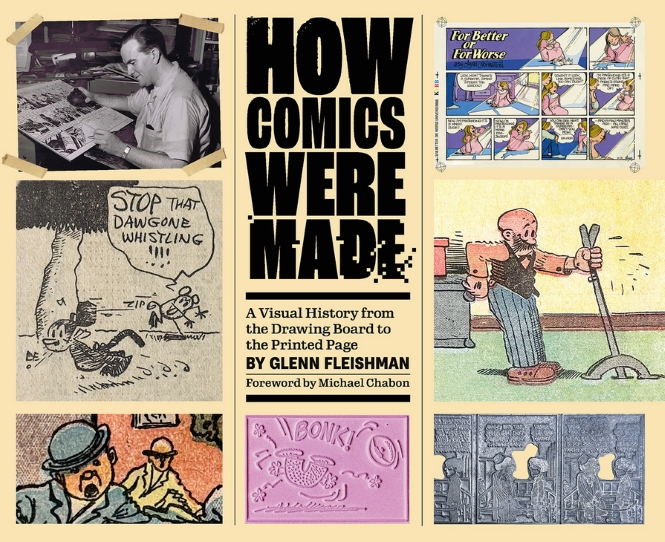
Above shows a few cosmetic changes to the book from the original edition (How Comics WERE Made) to the Andrews McMeel Publishing new edition (How Comics ARE Made) which include replacing a couple cover images with Andrews McMeel Syndicate comics.
Brian Walker on Beetle Bailey’s Legacy
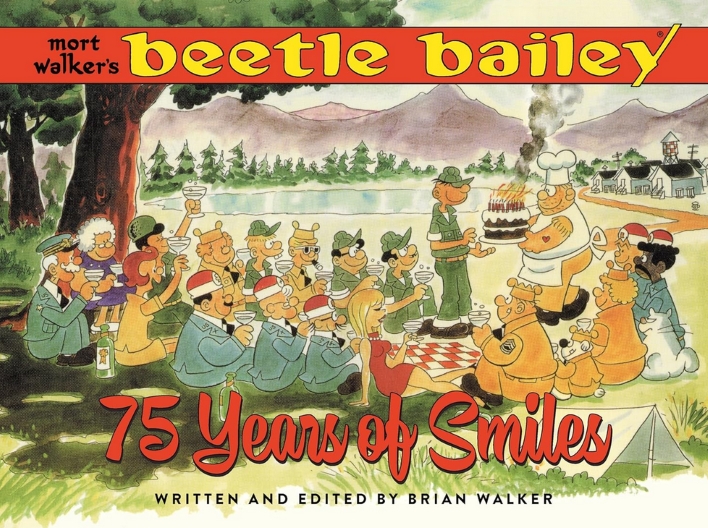
This year marks a monumental milestone in comics history—Beetle Bailey celebrates its 75th anniversary!
To celebrate the occasion, Inside the Kingdom host Alex sat down with Brian Walker—cartoonist, historian, and part of the Walker family team that has carried Beetle’s legacy forward.
Beyond the history, Brian reflected on Beetle Bailey’s enduring appeal. Though the setting is military, the strip has always been about people working together in an organization, poking fun at authority, and finding humor in everyday frustrations. Fans across the globe—even in places like Scandinavia, where the military isn’t a central institution—connect with Beetle and his cast as if they’re family.
The conversation also touched on Mort Walker’s legacy as a master cartoonist, the collaborative Walker family process that continues today.

Alex Garcia at Comics Kingdom interviews Beetle Bailey and Hi and Lois writer Brian Walker.


Comments 5
Comments are closed.