Firsts in Black and African American Cartoons and Comics
Skip to comments
From the Library of Congress blog:
While participating in the Library’s Archives, History, and Heritage Advanced Internship Program (AHHA), [Lucy Havens] had the privilege of contributing to the Library of Congress’ Of the People initiative by researching the representation of Black cartoon and comic creators in the Library’s Comic Book Collection. Like all media, cartoons and comics reflect society. In this blog, [Lucy Havens will] highlight a handful of “firsts” in the history of Black and African American cartoons and comics, celebrating artists, writers, and publishers who have expanded the types of stories and characters a reader can find in newspaper comic strips and comic books.
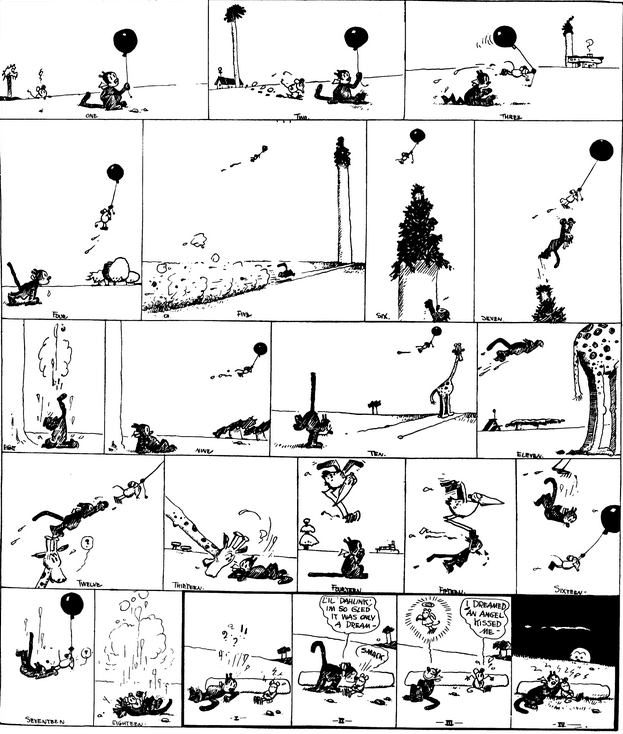
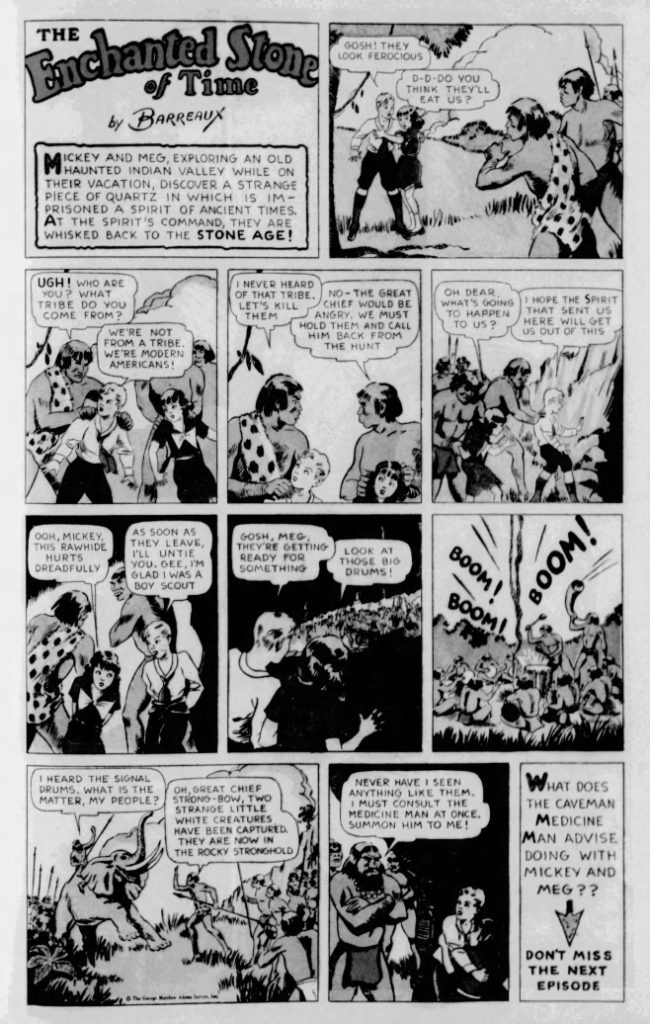
The earliest documented African American cartoonists are George Herriman and Adolphus Leslie Barreaux [link added]. They worked in the early 1900s and were mixed race but passed as White. Herriman is well known for his comic strips featuring Krazy Kat and Ignatz Mouse [link added], which ran from 1913 to 1944 … Barreaux is the first known African American to contribute to a comic book; he was the artist of “New Fun,” [t]his was the first comic book series published by the company that became DC Comics! “New Fun” #1 appeared in 1935.
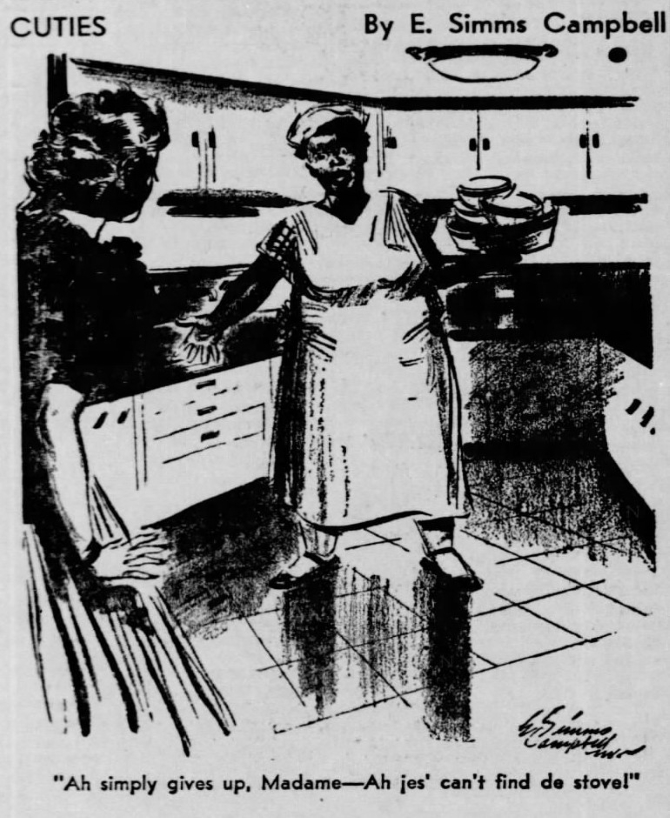
The first known cartoonist to self-identify as African American is E. Simms Campbell. His “Cuties” cartoons were nationally syndicated by King Features Syndicate and appeared in Esquire, Life, and the Saturday Evening Post, among other periodicals…
Jay Paul Jackson reworked one of the first Black comic strips, “Bungleton Green,” to create the first Black superhero in a comic (strip or book!). “Bungleton Green” was initially created by Leslie Rogers and published in the “Chicago Defender” in 1920. In 1934, Jackson re-launched the comic strip as a sci-fi story set in the 21st century.


Jackie Ormes [link added] is often considered the first nationally syndicated African American woman cartoonist. Even though her comic strips [link added] were not officially syndicated, with a syndicate distributing her works to newspapers, her work appeared regularly in issues of the “Pittsburgh Courier” and expanded to be included in a number of black newspapers across the country throughout the 1930s, 1940s, and 1950s.
Barbara Brandon-Croft [link added] is the first African American woman cartoonist to have a comic strip officially syndicated in U.S. newspapers … “Where I’m Coming From” [link added] was first published in 1989 and was syndicated from 1991-2005.
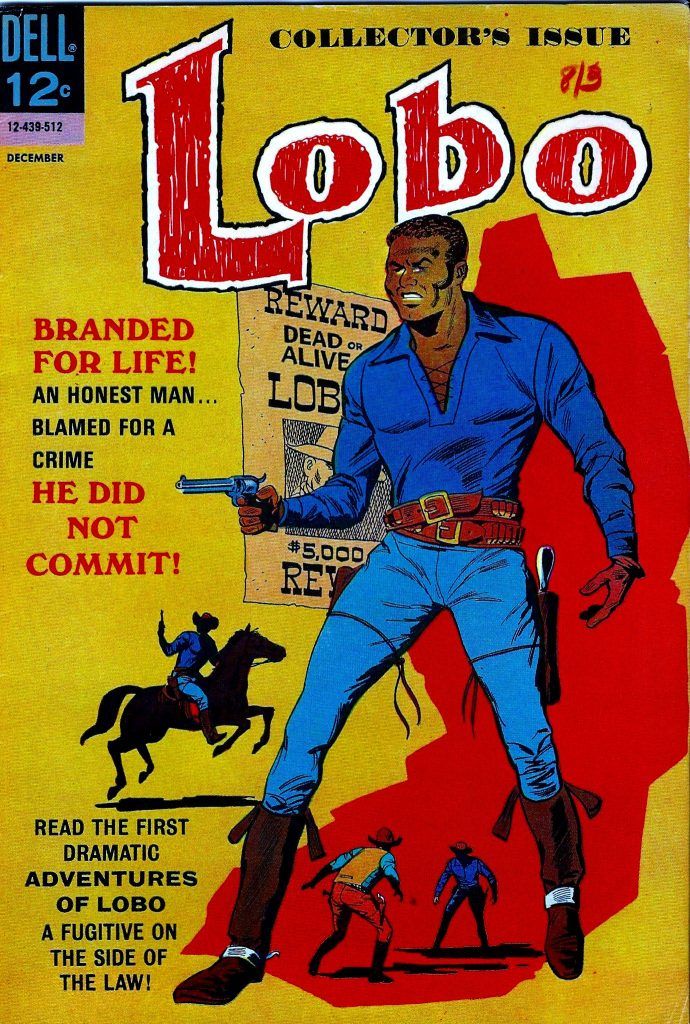
The first comic book series to have a Black protagonist is “Lobo.” Lobo [link added] is the nickname given to the protagonist in the first issue of the series, which opens at the end of the Civil War. Lobo travels west in search of opportunity after fighting as a soldier in the Civil War … Tony Tallarico [link added],
a Black artist[I find nothing to support the statement that Tallarico was Black], illustrated the “Lobo” series … which were published by Dell Comics in 1965 and 1966 …
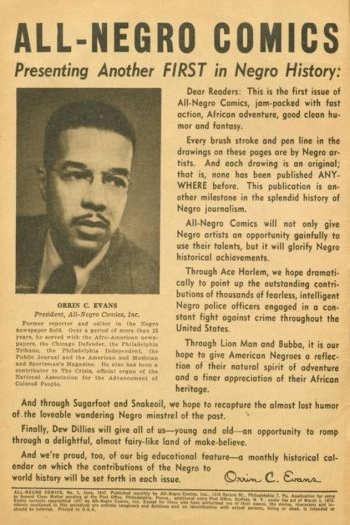
In 1947, All-Negro Comics, Inc. published the first comic book by Black creators featuring an all-Black cast of characters: “All-Negro Comics.” The image below shows the inside cover page of the comic book with a message from the publisher, Orrin C. Evans [link added]. “All-Negro Comics” #1 opens with a detective story about two “zoot suiters” pictured in the opening panel. Though Evans had intended to publish more comic books, All-Negro Comics, Inc. only ever published this one issue [link added].
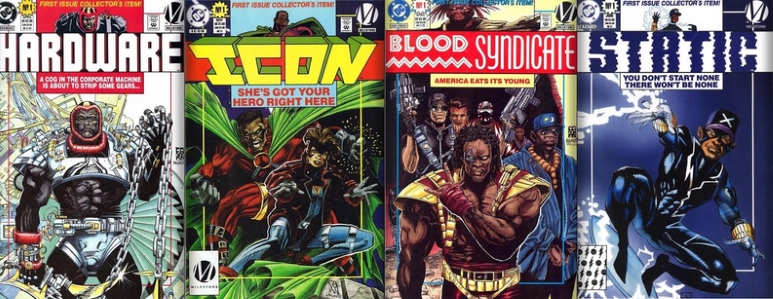
In 1993, Milestone Media was founded with the same motivation: to create comic books by Black creators featuring Black characters. The company achieved greater success than its predecessor, publishing the comic book series “Hardware,” “Static,” “Blood Syndicate,” and “Icon.”
Milestone Media negotiated a publishing agreement with DC Comics where they retained the rights over their comic book series and DC Comics distributed the comic books to its already-large audience.
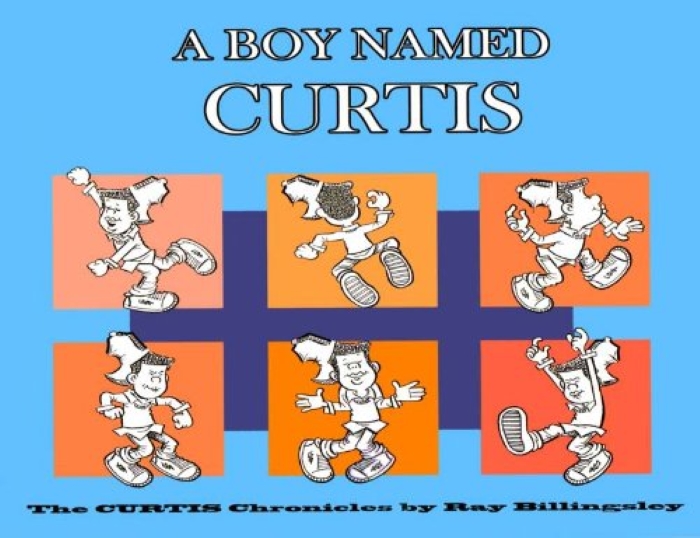
Ray Billingsley [link added] is the first Black creator to receive the Reuben Award from the National Cartoonists Society, which he received in [2020]. This award is the Society’s biggest honor and is given to the person considered to be the “Outstanding Cartoonist of the Year.”


Comments 5
Comments are closed.