CSotD: Cartoons and the Cornell 7
Skip to comments

The matter of the Cornell 7 is the sort of viral case that offers a chance to discuss a critically important issue, but also offers the chance to go spinning off the rails and use the specific issues of a single case to miss the greater points.
In USA Today, Alyssa Goldberg begins her analysis by acknowledging “It’s a story that’s been heard many times before.”
The natural response to that is to ask why, if it’s so common, are we still flailing for answers? Goldberg devotes the remainder of her piece to addressing that question, but the answer is that there is no one sweeping answer that will wrap it all up in a neat, resolved package.
We’ve been wrestling with related issues for as long as we’ve been on the planet, after all. One of the summer’s biggest hits was a 4,000 year old story about how a wife absconded with a new lover and touched off a major battle, and the Old Testament is replete with tales of rape, of violence, and of male and female infidelity.
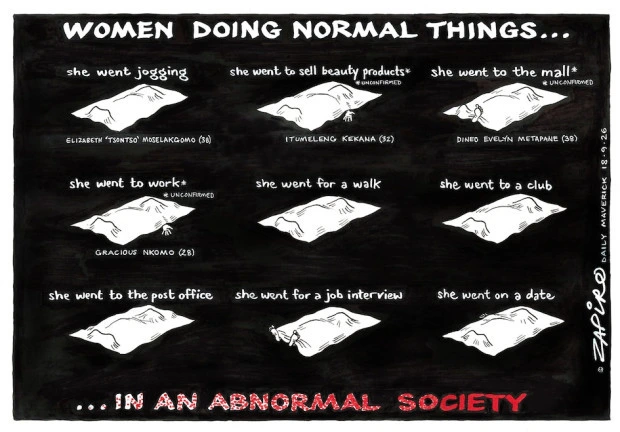
It’s an old story, but one that remains contemporary. South Africa has been rocked by the discoveries of 12 murdered women in the past two months. Zapiro — recording their deaths before three more had raised the number — points out that they don’t appear to have been engaging in risky action, that they were “women doing normal things,” but perhaps the issue is whether they were living in “an abnormal society” or if this is just how we behave.
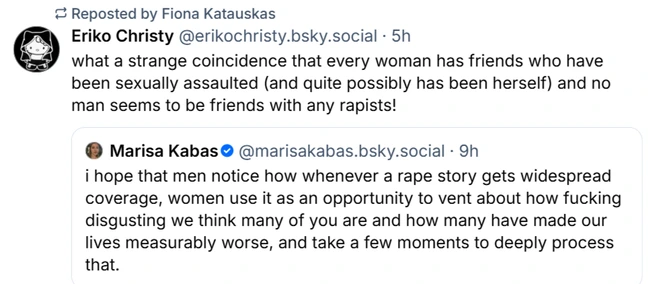
These women raise a lot of truth, and the central issue is well laid out. I’m particularly struck by the phrase “many of you,” because it avoids the trap of “not all men.”
Of course it’s not all men, and it’s not even fair to say it’s most men. However, it’s certainly reasonable to say “many men” because it’s clearly more men than it ought to be. Any is too many, particularly when tough guys seem to overwhelm our media images.
Statistics aside, the point these women raise is critical and solid: How, indeed, are women as a whole so aware of the issues while so many men are not?
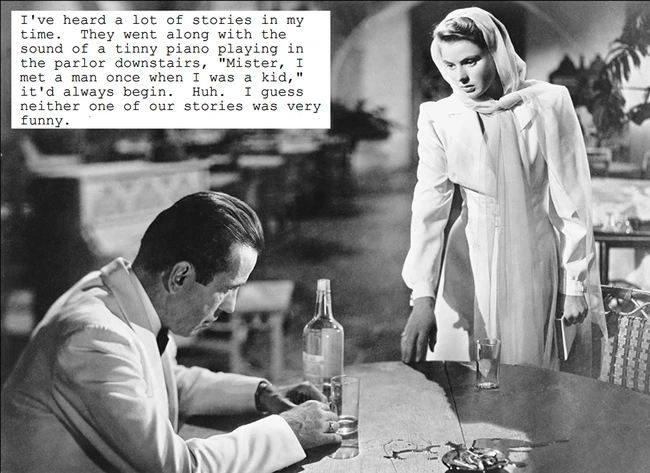
This scene in Casablanca stops me every time I see it. Rick reacts to Ilsa’s tearful explanation by denigrating it with a drunken, deliberately insulting remark of his own, comparing her to a prostitute at a cheap whorehouse.
Yet he falls into that gap between “not all men” and “most men,” because he’s heard those stories, which brings up two elements:
One is that, even in a low-class bordello, he was willing to listen, and it’s a reminder of how he helped a young Bulgarian refugee avoid have to submit to sex in order to gain an exit visa for herself and her husband. And how pleased and surprised the people in his nightclub were, because it was a stand-up moment for someone they thought was heartless.
It’s also a suggestion — particularly for those of us who have “heard a lot of stories” — that women do want to be heard, and that too many of them have stories to tell, if anyone were willing to listen.
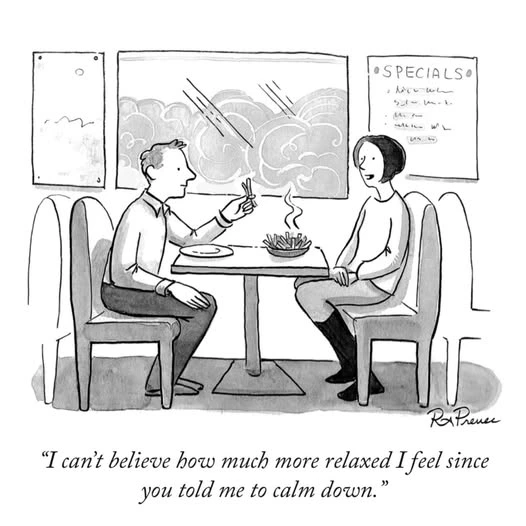
You could easily have guessed this cartoonist was a woman, though we all bristle when someone tells us to calm down instead of trying to address whatever we were passionate about. The other equivalent response is “Seriously?” which is what you say instead of “F*** you” if you are refusing to discuss matters but would rather not get punched in the face.
Either phrase is a strong hint that you know you’re wrong and that you don’t want to listen.
But if you establish yourself as a listener, you’ll hear some worthwhile stories, even if they are accompanied by the sound of a tinny piano playing in the parlor downstairs. Or maybe “especially.”

Slyngstad marks the connection between the Cornell 7, who have had their names and pictures splashed all over social media and in the mainstream, and those older men who preyed on even younger women but have, through wealth and good connections, been sheltered and protected from having their names and faces released.

Goris suggests holding the old rapists to the same standard as the young ones, though Cornell insists that none of the seven students who went through an exhaustive investigation at the time of the incident got off as easily as just writing an essay.
Those in charge say they were appalled by the story but were limited both by the victim’s initial statement being still clouded in some level of denial and the strange fact that, in New York State, being intentionally drunk does not allow a claim of being unable to consent. Secretly getting you drunk or drugged apparently has to be part of the assault.
Which is a ridiculous, heartless law. If nothing else comes from this horrendous case, perhaps it will inspire NY lawmakers to change that distinction.
Meanwhile, it’s no mystery that boys who get away with brutal, horrific behavior can grow up into men who feel no compunction about behaving the same way.
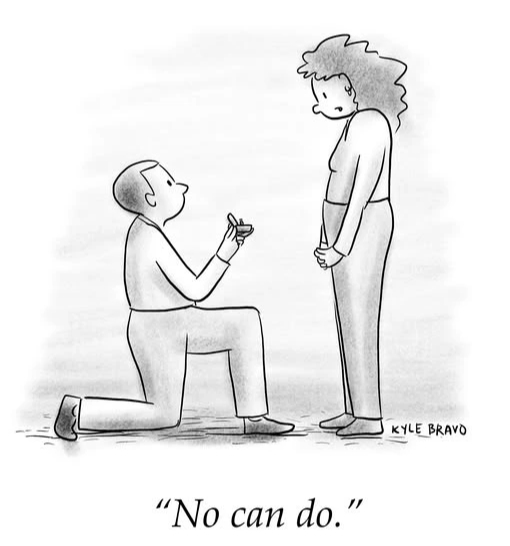
I chuckled at the calmness with which Bravo’s girl turns down the proposal, but, while I don’t hold myself out to have been a Lothario in my youth, I was often astonished at the cluelessness of some of the guys in my demographic, and I was particularly gobsmacked some years ago when a fellow proposed at midcourt during an NBC game.
Public proposals are a power freak’s game, but the announcers were no fools and they had this situation pegged right from the start:
As they said, she could have accepted in order to be a good sport and then broken the news to him at a more discreet moment, but my sympathy for him is mostly based on him seeming inexperienced.
By contrast, I had a co-worker bedeviled by a fellow who put up billboards proposing to her, and he was the kind of power-tripping, creepy threat who needed to be dealt with under stalking laws. Perhaps predictably, the law dealt with it very poorly and she finally had to leave town to get away from him.
This is the way it is, which is why so many women are responding to the Cornell 7 story the way BevsComics did:
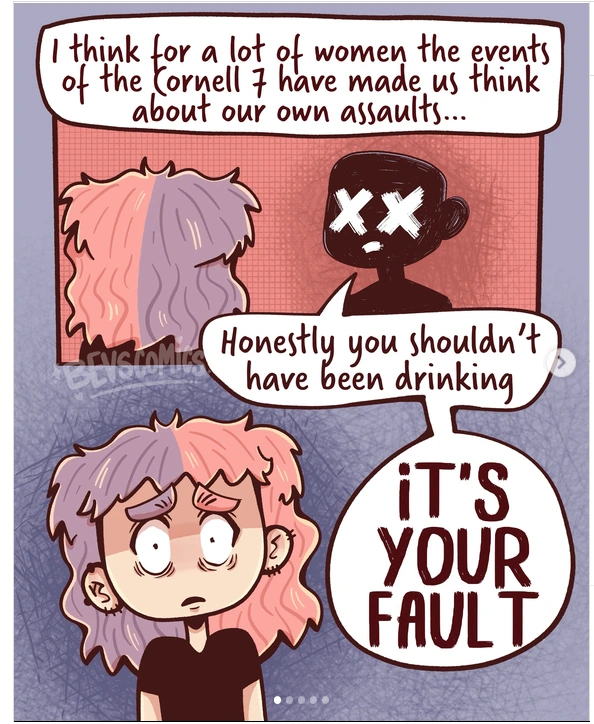
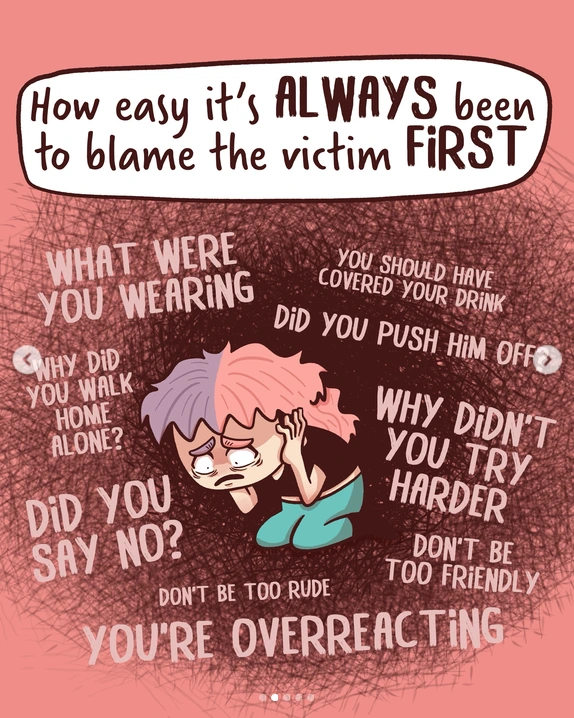


Agreed. It’s not that guys who step up are heroes. It’s that guys who don’t step up are cowards and villains.
You don’t have to be perfect, but let those other guys be the screw-ups.
Mike Peterson has posted his "Comic Strip of the Day" column every day since 2010. His opinions are his own, but we welcome comments either agreeing or in opposition.

Comments