Wayback Whensday: The New Yorker and the British Jane
Skip to comments
An analysis of 100 years of The New Yorker and censorship of comics in Great Britain 1930’s to 1950’s.
The New Yorker – Birth and Maturity

Feridun Demir offers a both history and analysis in “The New Yorker and the Art of the Single-Panel Cartoon” (or here).
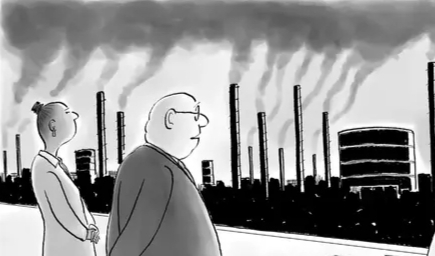
Where Puck had enlarged politics until senators, corporations and nations filled theatrical double-page spreads, The New Yorker often moved in the opposite direction. It brought satire into offices, apartments, restaurants, cocktail parties, bedrooms and psychiatrists’ rooms. A single exchange between two anonymous people could reveal class anxiety, professional hierarchy, marital tension or cultural pretension. The political cartoon had traditionally asked what was wrong with government. The New Yorker cartoon increasingly asked what was wrong with people, and sometimes discovered that one small social gesture contained an entire social system.
…
The prestige that later surrounded The New Yorker can obscure how uncertain and modest its beginnings were. Ross himself described the project as a “fifteen-cent comic paper.”
Britain’s Efforts Against Comics 1930s – 1950s
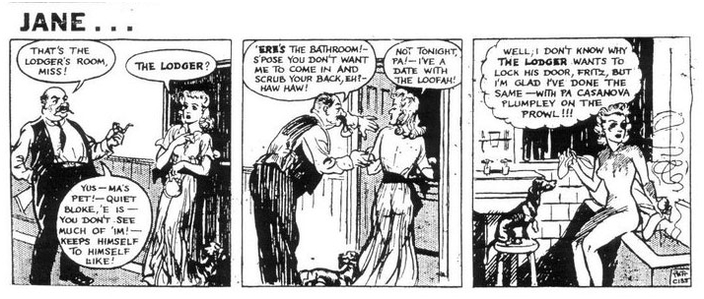
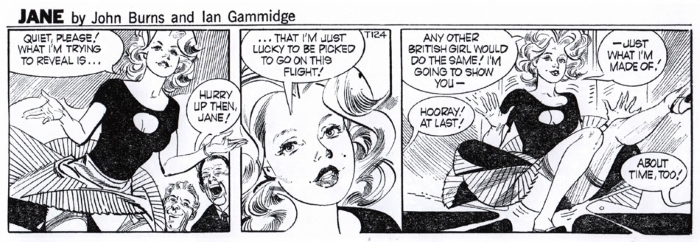
In 1950’s United States the crusade against comics targeted comic books, but that was not the case in Britain. Ignacio Fernández Sarasola, in the International Journal of Comic Art, details the efforts in Great Britain that went beyond the books to the newspaper comic strips in “The Role of the British Press in the Anti-Comic Campaign.” A campaign that began in the 1930s because of offending American and homegrown newspaper comic strips.
When the Harmful Publications Act, aimed at restricting the circulation of comic books, was debated in England, several Tory MPs requested that the law also control the content of comic strips in newspapers, specifically mentioning the case of the Daily Mirror. The proposal sparked considerable controversy, as it was considered that limiting the circulation of comic books was one thing, but adopting measures that could affect the daily press was quite another. This was partly because comic books were not considered to be a genuine exercise of press freedom. But, in addition, it was considered that allowing control over newspapers could be extremely dangerous, as it opened the door to politically biased censorship: not surprisingly, the Daily Mirror was a left-wing newspaper that was highly criticized by the Tories, so the intentions to restrict it could also be politically motivated.
Comments 3
Comments are closed.