Cartoons and Tyrants, History and Current Events
Skip to comments
Yesterday, in a prelude to World Press Freedom Day, Anthony Feinstein for The Globe and Mail checked in on the history of political cartooning holding those in power to account from the beginning to now, sometimes risking the cartoonists’ freedom and lives.
When political cartoonists challenge the world’s most powerful people. (Or here.)
The strongman is resurgent in today’s world… they have many traits in common: an intolerance for dissent, an insistence on blind fealty, a conviction that they, and only they, know what is best for their people.
And then there is the strongman’s extraordinarily thin skin when it comes to laughing at himself. It is a striking that these men with enormous power, vast armies, lethal weapons, and apparently limitless self-confidence fear the simple cartoon.
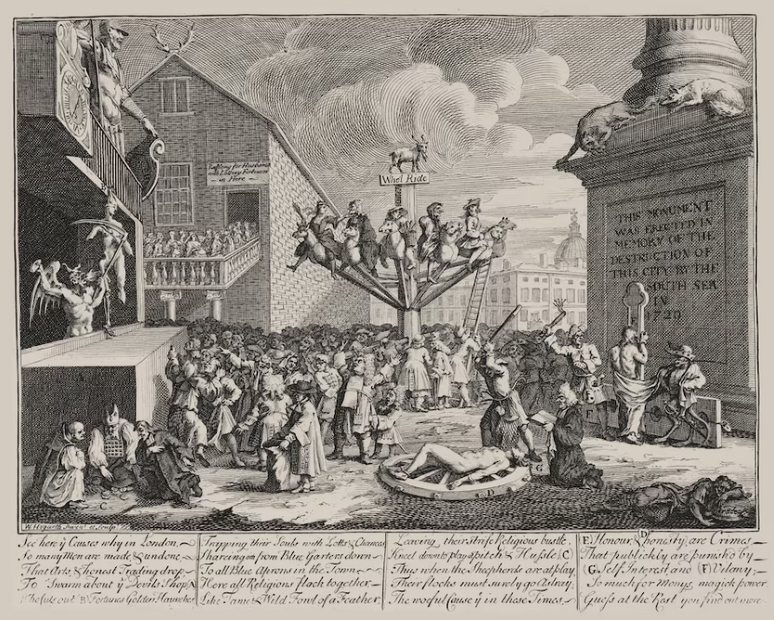
Hitler for one was tormented by the Evening Standard’s David Low. Lord Halifax, the British foreign secretary, met with Joseph Goebbels, Hitler’s propaganda minister, in Berlin in 1937 to discuss tensions between their governments. Afterward, he reported to Low’s publisher at the Standard: “You cannot imagine the frenzy these cartoons cause. As soon as a copy of the Evening Standard arrives, it is pounced on for Low’s cartoon, and if it is of Hitler, as it usually is, telephones buzz, tempers rise, fevers mount and the whole government system of Germany is in an uproar. It has hardly subsided before the next one arrives. We in England can’t understand the violence of the reaction.”
Seventy years later there was the the massacre at the Charlie Hebdo offices.
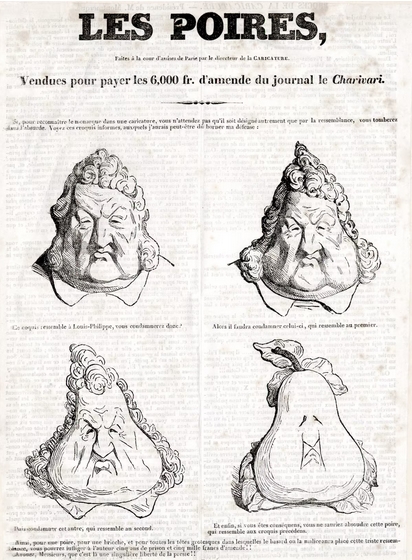
Why do cartoons and caricatures elicit such a strong response? …
The first pertains to the cartoon as content…
The second factor cited by Navasky is the cartoon as image…
[Third] Navasky goes on to note that the part of the brain that recognizes faces, the fusiform gyrus, reacts more quickly to caricatures than photographs, which he does not find surprising given that caricatures emphasize the same features we use to distinguish faces…
Today cartoonists around the world risk jail, exile, and even death.
“When despots rule, cartoonists die,” noted David Wallis.
Comments 2
Comments are closed.